

Introduction
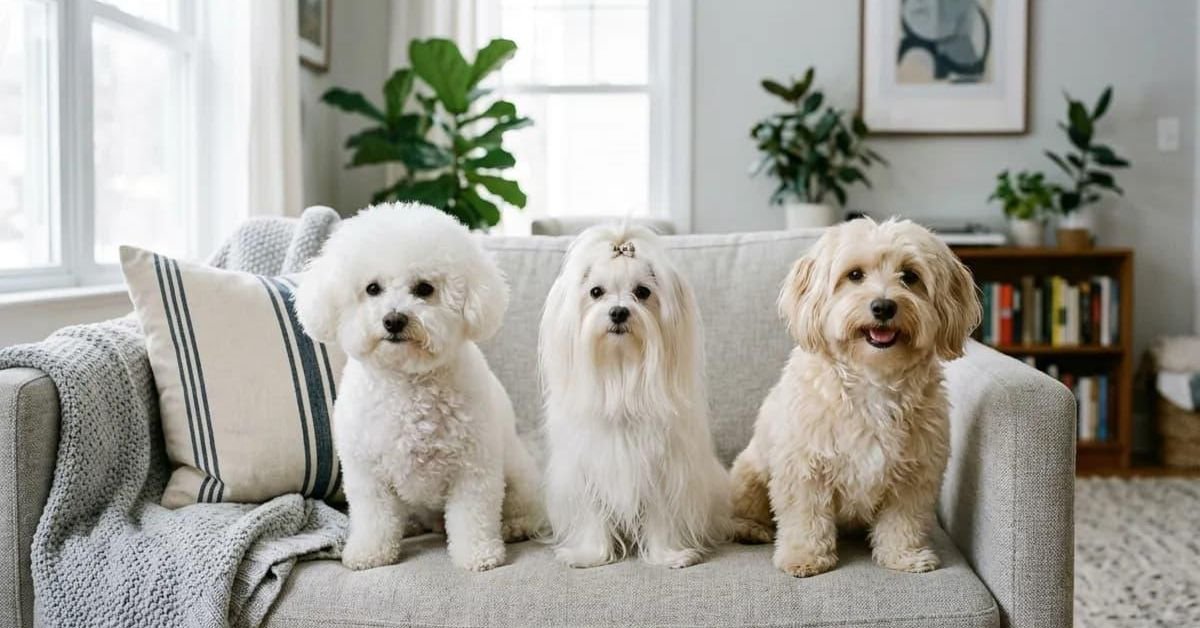
Many dog lovers dream of owning a dog without constantly cleaning fur from carpets, couches, and clothing. That is why dogs that don’t shed remain among the most searched dog breeds worldwide.
The truth is simple. Every dog loses some hair. However, certain breeds shed so little that most owners rarely notice loose fur around the house.
Low-shedding dogs can be excellent choices for busy households, apartment owners, and people who want easier coat maintenance. They may also produce less dander, although no breed is truly hypoallergenic.
This guide explains everything you need to know about dogs that don’t shed. You will learn which breeds shed the least, what grooming they require, how to choose the right breed, and common mistakes many first-time owners make.
Table of Contents
- What Does “Dogs That Don’t Shed” Really Mean?
- Why People Prefer Low-Shedding Dogs
- Best Small Dogs That Don’t Shed
- Best Medium Dogs That Don’t Shed
- Best Large Dogs That Don’t Shed
- Comparison Table of Low-Shedding Breeds
- Grooming Requirements for Low-Shedding Dogs
- How to Choose the Right Low-Shedding Breed
- Common Mistakes Owners Make
- Health and Care Tips
- Trends in Low-Shedding Dog Ownership
- Key Takeaways
- Conclusion
- FAQs
What Does “Dogs That Dont Shed” Really Mean?
Many people believe some dogs never lose hair.
That is not completely true.
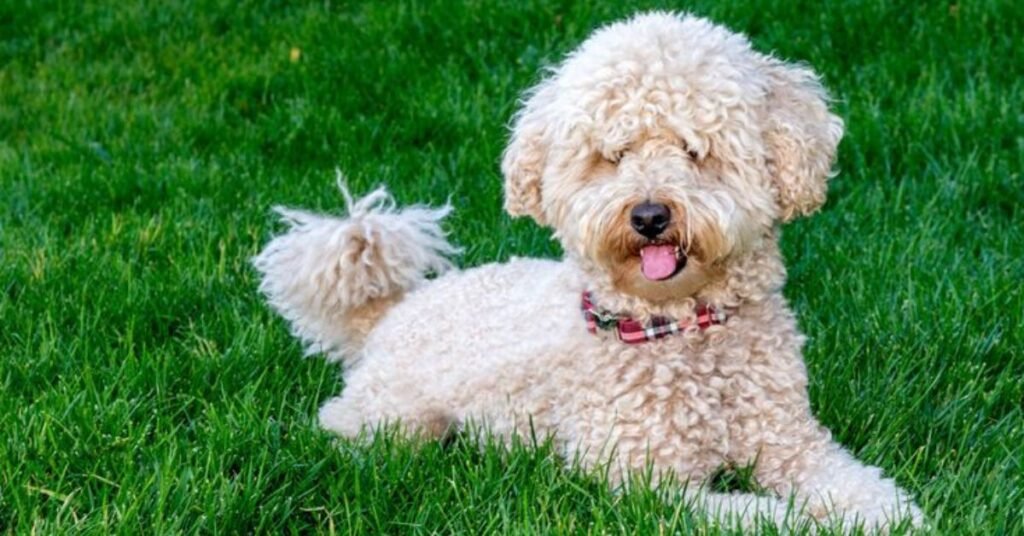
All dogs naturally lose some hair during their lives. The difference lies in how much hair they lose and how often it falls out.
Low-shedding breeds typically have:
- Hair instead of traditional fur
- Curly or wavy coats
- Longer hair growth cycles
- Less seasonal shedding
Because loose hairs often remain trapped within the coat, owners notice far less hair around the home.
According to the American Kennel Club (AKC), several breeds consistently rank among the lowest-shedding dogs due to their coat characteristics and grooming needs.
Why People Prefer Low-Shedding Dogs
Low-shedding dogs offer several advantages.
These benefits include:
- Less pet hair on furniture
- Easier home cleaning
- Reduced vacuuming
- Less hair on clothing
- Cleaner indoor spaces
Many families also prefer low-shedding breeds because they often look neat and tidy year-round.
However, lower shedding does not mean lower maintenance.
Many low-shedding dogs require professional grooming every few weeks.
Best Small Dogs That Dont Shed
Poodle (Toy and Miniature)
Poodles remain one of the most popular low-shedding breeds.
Their curly coat traps loose hair before it falls around the home.
Key traits:
- Highly intelligent
- Easy to train
- Athletic
- Family-friendly
Maltese
The Maltese has a long, silky coat that sheds very little.
This breed works well for apartment living and companionship.
Key traits:
- Gentle personality
- Small size
- Affectionate nature
- Minimal shedding
Bichon Frise
The Bichon Frise resembles a fluffy white cloud.
Its coat grows continuously and sheds very little.
Key traits:
- Cheerful temperament
- Excellent family dog
- Friendly with children
- Adaptable
Yorkshire Terrier
Yorkies have hair similar to humans.
This unique coat helps reduce visible shedding.
Key traits:
- Confident personality
- Compact size
- Loyal companion
- Good apartment dog
Shih Tzu
Shih Tzus lose very little hair compared to many other breeds.
Regular brushing keeps their coat healthy.
Key traits:
- Friendly
- Loving
- Calm indoors
- Adaptable
Best Medium Dogs That Dont Shed
Miniature Schnauzer
The Miniature Schnauzer combines intelligence with a distinctive appearance.
Its wiry coat sheds minimally.
Benefits include:
- Easy trainability
- Alert nature
- Family-friendly temperament
- Low shedding
Portuguese Water Dog
This athletic breed became famous after appearing in the White House.
Its dense coat sheds very little.
Benefits include:
- Active personality
- Strong swimmer
- Intelligent
- Loyal
Soft Coated Wheaten Terrier
The Wheaten Terrier features a soft, silky coat.
Owners love its playful and outgoing personality.
Benefits include:
- Friendly attitude
- Moderate exercise needs
- Minimal shedding
- Adaptable
Lagotto Romagnolo
The Lagotto Romagnolo originally hunted truffles in Italy.
Its curly coat traps loose hair effectively.
Benefits include:
- Smart
- Energetic
- Affectionate
- Low shedding
Best Large Dogs That Don’t Shed
Standard Poodle
The Standard Poodle combines intelligence with elegance.
It remains one of the best large dogs that dont shed.
Highlights:
- Highly trainable
- Athletic
- Family-oriented
- Very low shedding
Giant Schnauzer
The Giant Schnauzer offers both protection and companionship.
Its dense coat sheds minimally.
Highlights:
- Loyal
- Protective
- Intelligent
- Active
Irish Water Spaniel
The Irish Water Spaniel has a curly waterproof coat.
This coat helps reduce shedding significantly.
Highlights:
- Athletic
- Friendly
- Intelligent
- Energetic
Afghan Hound
The Afghan Hound surprises many people.
Despite its long coat, it sheds relatively little when properly maintained.
Highlights:
- Elegant appearance
- Independent personality
- Low shedding
- Unique coat
Comparison Table of Low-Shedding Dog Breeds
| Breed | Size | Shedding Level | Grooming Needs | Apartment Friendly |
| Maltese | Small | Very Low | High | Yes |
| Bichon Frise | Small | Very Low | High | Yes |
| Yorkshire Terrier | Small | Very Low | Moderate | Yes |
| Miniature Schnauzer | Medium | Low | Moderate | Yes |
| Portuguese Water Dog | Medium | Low | High | Sometimes |
| Standard Poodle | Large | Very Low | High | Sometimes |
| Giant Schnauzer | Large | Low | Moderate | No |
| Afghan Hound | Large | Low | High | No |
Grooming Requirements for Low-Shedding Dogs
Regular Brushing Matters
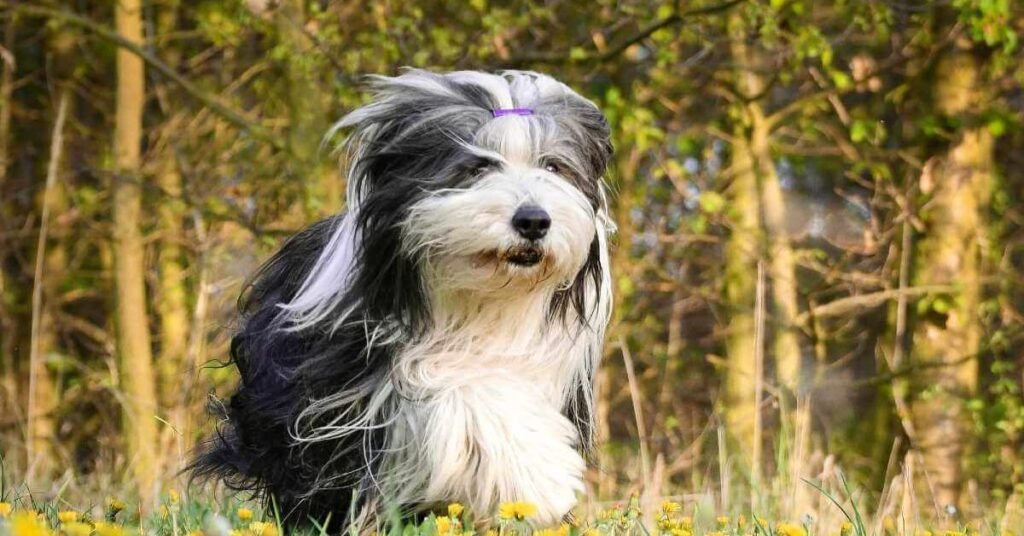
Many owners mistakenly assume low-shedding dogs require less grooming.
The opposite is often true.
Regular brushing helps:
- Prevent mats
- Remove trapped hair
- Reduce skin issues
- Maintain coat health
Professional Grooming
Many breeds benefit from professional grooming every 4 to 8 weeks.
Examples include:
- Poodles
- Bichon Frise
- Maltese
- Shih Tzu
Skin and Ear Care
Low-shedding breeds still require complete body care.
Pay attention to:
- Ear cleaning
- Nail trimming
- Dental hygiene
- Skin inspections
If your dog frequently scratches or shakes its head, this guide on dog ear problems and head shaking may help:https://thepawtips.com/dog-shaking-head/
How to Choose the Right Low-Shedding Breed
Consider Your Lifestyle
Ask yourself:
- How active are you?
- How much grooming can you handle?
- Do you live in an apartment?
- Do you have children?
Different breeds fit different lifestyles.
Match Energy Levels
High-energy low-shedding breeds include:
- Standard Poodle
- Portuguese Water Dog
- Giant Schnauzer
Lower-energy choices include:
- Maltese
- Shih Tzu
- Bichon Frise
Think Beyond Shedding
Many first-time owners focus only on hair.
Instead, evaluate:
- Exercise requirements
- Trainability
- Health concerns
- Temperament
For example, dogs with active lifestyles may benefit from protective gear discussed in this guide on socks for dogs and paw protection.
Read more for info: https://thepawtips.com/dog-the-bordeaux/
Common Mistakes Owners Make
Choosing a low-shedding breed does not guarantee easy ownership.
Common mistakes include:
- Ignoring grooming costs.
- Choosing based only on appearance.
- Underestimating exercise needs.
- Skipping socialization.
- Neglecting preventive healthcare.
Another common mistake involves poor nutrition.
A healthy coat depends heavily on proper diet. Many owners explore specialized options discussed in this resource about low-carb dog food.
Research before choosing a breed.
The right match creates a better experience for both owner and dog.
Health and Care Tips
Low-shedding breeds thrive when owners prioritize preventive care.
Best practices include:
- Annual veterinary exams
- Regular grooming
- Balanced nutrition
- Daily exercise
- Mental stimulation
Interactive activities help prevent boredom.
Many owners use enrichment ideas similar to those discussed in this guide about dog racing browser games and canine engagement.
Travel safety also matters. If you frequently travel with your dog, this guide on dog boxes for trucks provides useful transportation insights.
The American Veterinary Medical Association (AVMA) recommends preventive healthcare and routine veterinary visits to support long-term wellness in companion animals.
Trends in Low-Shedding Dog Ownership
Several trends continue shaping the popularity of dogs that dont shed.
These include:
- Increased apartment living
- Remote work lifestyles
- Greater demand for companion animals
- Growing interest in allergy-friendly breeds
- Increased professional grooming services
Hybrid breeds such as Labradoodles and Goldendoodles have also gained popularity because many owners seek lower-shedding coat traits.
However, coat characteristics can vary widely among mixed breeds.
Future advances in genetic testing may help breeders better predict coat traits and shedding levels.
Key Takeaways
- No dog is completely shed-free.
- Some breeds shed significantly less than others.
- Poodles, Maltese, Bichon Frise, and Schnauzers rank among the best low-shedding dogs.
- Low shedding often means higher grooming needs.
- Choosing the right breed requires considering lifestyle, exercise needs, and grooming commitments.
- Proper nutrition and preventive healthcare support coat health.
- Regular grooming helps maintain healthy skin and fur.
Conclusion
Dogs that don’t shed offer a practical solution for owners who want less pet hair around the home. While no breed completely eliminates shedding, many breeds produce far less loose hair than traditional shedding dogs.
The best low-shedding breed depends on your lifestyle, activity level, home environment, and grooming preferences. Whether you choose a tiny Maltese, an energetic Portuguese Water Dog, or an intelligent Standard Poodle, responsible ownership remains the key to success.
Focus on temperament, health, training, and long-term care—not just shedding levels. When you choose the right breed, you gain a loyal companion that fits comfortably into your daily life.
FAQ
What dogs shed the least?
Poodles, Maltese, Bichon Frise, and Schnauzers are among the lowest-shedding breeds.
Are there dogs that never shed?
No. All dogs lose some hair, but certain breeds shed very little.
Are low-shedding dogs hypoallergenic?
No dog is completely hypoallergenic, but some breeds may trigger fewer allergy symptoms.
Which small dog sheds the least?
The Maltese and Bichon Frise are among the best low-shedding small breeds.
Do low-shedding dogs require grooming?
Yes. Many require regular brushing and professional grooming.
Are Poodles good for allergy sufferers?
Many allergy sufferers tolerate Poodles better because of their low-shedding coat.
Which large dog sheds the least?
The Standard Poodle ranks among the best large low-shedding breeds.
Do low-shedding dogs smell less?
Not necessarily. Grooming habits and skin health influence odor more than shedding.
Are low-shedding dogs easier to clean up after?
Yes. Most owners notice significantly less loose hair around the home.
What is the best family-friendly low-shedding dog?
The Poodle and Bichon Frise are excellent choices for many families.