

Introduction
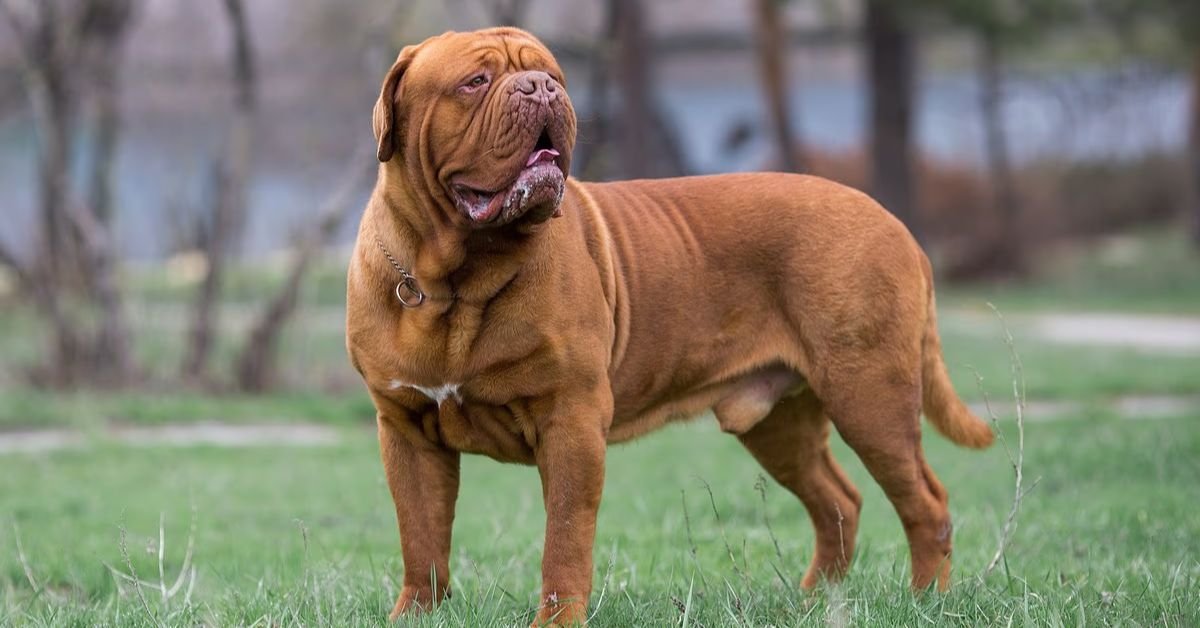
The Dogue de Bordeaux is one of the oldest French dog breeds. Many people recognize this giant dog because of its massive head, muscular body, and wrinkled face.
Although the breed looks intimidating, most owners describe it as affectionate, devoted, and surprisingly gentle with family members. The Dogue de Bordeaux thrives when it spends time with its people and receives proper guidance from an early age.
This breed attracts owners who want a loyal guardian and loving companion in one package. However, owning a giant dog comes with responsibilities. You need to understand its temperament, health concerns, training needs, and daily care requirements before bringing one home.
This complete guide covers everything you need to know about the Dogue de Bordeaux, from puppyhood to senior years.
Table of Contents
- What Is a Dogue de Bordeaux?
- Dogue de Bordeaux Breed Overview
- History and Origin
- Temperament and Personality
- Size, Appearance, and Physical Traits
- Training a Dogue de Bordeaux
- Exercise and Daily Activity Needs
- Feeding and Nutrition
- Grooming and Maintenance
- Common Health Problems
- Is a Dogue de Bordeaux Good for Families?
- Puppy Buying and Adoption Tips
- Common Mistakes New Owners Make
- Future Trends in Giant Breed Care
- Key Takeaways
- Conclusion
- FAQs
What Is a Dogue de Bordeaux?
The Dogue de Bordeaux, also called the French Mastiff, is a giant working breed from France. Historically, people used these dogs for guarding property, pulling carts, hunting large game, and protecting livestock.
Today, most Dogue de Bordeaux dogs live as family companions and watchdogs.
According to the American Kennel Club, the breed belongs to the Working Group and remains known for courage, loyalty, and strength. The official breed standard can be found through the American Kennel Club (AKC) at https://www.akc.org/dog-breeds/dogue-de-bordeaux/.
The breed combines physical power with a calm and affectionate personality, making it unique among giant dogs.
Dogue de Bordeaux Breed Overview
| Trait | Details |
| Breed Group | Working |
| Origin | France |
| Size | Giant |
| Weight | 99–150+ pounds |
| Height | 23–27 inches |
| Lifespan | 5–8 years |
| Energy Level | Moderate |
| Shedding | Moderate |
| Trainability | Moderate |
| Family Friendly | Yes |
| Guarding Ability | Excellent |
The Dogue de Bordeaux requires committed ownership because of its size and strength. However, responsible owners often find the breed deeply rewarding.

History and Origin
The Dogue de Bordeaux has a long and fascinating history.
Experts believe its ancestors existed in France for centuries. Historical records suggest these dogs worked as guardians, war dogs, hunting companions, and livestock protectors.
The breed nearly disappeared during periods of political and social change in France. Dedicated breeders helped preserve it and maintain its unique characteristics.
Interest in the breed increased internationally after the 1989 movie Turner & Hooch, which featured a Dogue de Bordeaux named Hooch.
Today, the breed enjoys recognition from major kennel organizations worldwide.
Temperament and Personality
What Owners Love Most
The Dogue de Bordeaux develops strong emotional bonds with family members.
Common personality traits include:
- Loyal and devoted
- Calm indoors
- Protective without being overly aggressive
- Affectionate with trusted people
- Patient with respectful children
Many owners describe them as giant lap dogs despite their size.
Natural Protective Instincts
This breed naturally watches over its family.
A well-socialized Dogue de Bordeaux usually:
- Observes strangers carefully
- Stays confident in new situations
- Reacts calmly unless it detects a genuine threat
- Protects family when necessary
Early socialization helps channel these instincts appropriately.
Socialization Tips
Successful socialization includes:
- Meeting different people
- Exposure to new environments
- Positive experiences with other dogs
- Reward-based training sessions
Starting socialization during puppyhood creates a more confident adult dog.
Size, Appearance, and Physical Traits
The Dogue de Bordeaux possesses one of the largest heads in the canine world.
Its appearance includes:
- Broad chest
- Thick neck
- Wrinkled forehead
- Powerful jaw
- Muscular frame
- Short coat
Coat colors usually range from light fawn to deep mahogany.
Despite its massive build, the breed moves with surprising agility.
Its facial expression often appears serious, but owners frequently describe the breed as gentle and affectionate at home.
Training a Dogue de Bordeaux
Start Training Early
Training should begin as soon as your puppy arrives home.
Important lessons include:
- Basic obedience
- Leash manners
- Recall commands
- Impulse control
- Proper greetings
A giant dog must learn good manners before reaching full size.
Use Positive Reinforcement
The Dogue de Bordeaux responds best to:
- Treat rewards
- Praise
- Consistency
- Patience
Harsh corrections can damage trust and reduce training success.
Common Training Challenges
Owners sometimes face:
- Stubborn behavior
- Pulling on the leash
- Overprotectiveness
- Jumping during excitement
Consistent training prevents these issues from becoming habits.
For owners interested in canine behavior and enrichment, activities similar to those discussed in this guide on dog-themed games and stimulation can help encourage mental engagement.
Exercise and Daily Activity Needs
Many people assume giant breeds require intense exercise.
The Dogue de Bordeaux actually needs moderate activity.
Daily needs often include:
- Two walks per day
- Controlled play sessions
- Mental stimulation
- Obedience practice
Avoid excessive exercise during puppy growth stages.
Large-breed puppies can develop joint problems if owners push them too hard.
Hot weather requires special attention because the breed may struggle with heat.
Always provide fresh water and shade.
Feeding and Nutrition
A giant breed needs high-quality nutrition.
The Dogue de Bordeaux benefits from balanced diets that support:
- Joint health
- Muscle maintenance
- Healthy weight
- Skin and coat condition
Most adults eat two measured meals daily.
Avoid free feeding because obesity can worsen health issues.
Some owners explore specialized nutrition plans, including options discussed in this guide to low-carb dog food.
Before changing diets, consult your veterinarian.
Grooming and Maintenance
The Dogue de Bordeaux has a short coat that requires relatively simple grooming.
Routine care includes:
- Weekly brushing
- Nail trimming
- Ear cleaning
- Dental care
- Wrinkle maintenance
Owners should regularly clean facial folds to prevent moisture buildup.
Drooling is common in this breed.
Keep towels available around the home, especially after meals and drinks.
If you notice frequent ear irritation, this resource about dog head shaking and ear issues may help identify common causes.
Read more for info: https://thepawtips.com/excellent-family-dogs/
Common Health Problems
Joint and Mobility Issues
Large breeds often face orthopedic challenges.
Potential concerns include:
- Hip dysplasia
- Elbow dysplasia
- Arthritis
- Joint degeneration
Maintaining a healthy weight helps reduce stress on joints.
Heart and Internal Conditions
The breed may experience:
- Heart disease
- Gastric dilatation-volvulus (bloat)
- Certain hereditary disorders
Bloat remains one of the most serious emergencies for giant breeds.
Owners should learn the warning signs and seek immediate veterinary care when necessary.
Skin and Ear Concerns
Wrinkles and skin folds require attention.
Common issues include:
- Skin irritation
- Moisture buildup
- Ear infections
- Allergies
The Orthopedic Foundation for Animals (OFA) provides health testing information that many responsible breeders use before breeding dogs: https://ofa.org/
Regular veterinary checkups help identify problems early.
Is a Dogue de Bordeaux Good for Families?
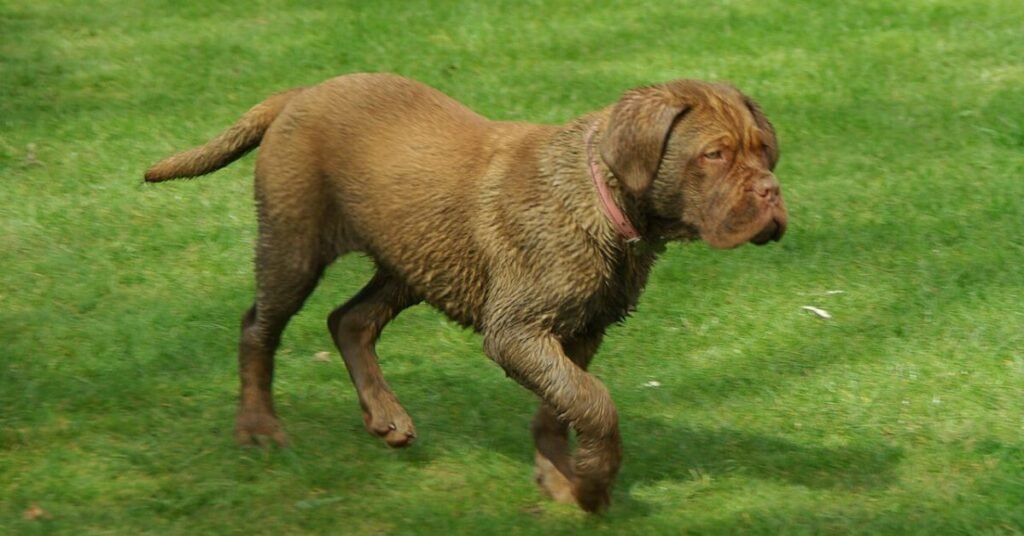
The answer depends on the family.
Many Dogue de Bordeaux dogs thrive in homes that provide:
- Consistent training
- Adequate space
- Daily interaction
- Responsible supervision
The breed often develops close relationships with children.
However, adults should always supervise interactions because of the dog’s large size.
A playful giant dog can accidentally knock over small children.
Families who enjoy spending time with their dog often find the breed an excellent companion.
Puppy Buying and Adoption Tips
Finding a healthy Dogue de Bordeaux starts with careful research.
Look for:
- Health-tested parents
- Transparent breeders
- Clean living conditions
- Veterinary records
- Socialized puppies
Avoid purchasing puppies from irresponsible sellers who cannot provide health information.
Adoption remains another excellent option.
Breed-specific rescue organizations occasionally help rehome adult Dogue de Bordeaux dogs.
Before bringing a puppy home, ensure you have supplies such as crates, large beds, and safe transportation solutions. Some owners also explore products similar to those discussed in this guide on dog boxes for trucks and safe travel: https://thepawtips.com/dog-box-for-truck/
Common Mistakes New Owners Make
New owners often underestimate the responsibilities of giant breed ownership.
Common mistakes include:
- Delaying training
- Skipping socialization
- Allowing excessive weight gain
- Overexercising puppies
- Ignoring drooling and wrinkle care
- Purchasing from unethical breeders
These mistakes can create long-term behavioral and health problems.
Planning ahead improves success significantly.
Future Trends in Giant Breed Care
Dog care continues to evolve.
Several trends are shaping the future of giant breed ownership:
- Improved genetic health testing
- Better orthopedic screening
- Advanced nutrition research
- Wearable health-monitoring devices
- Personalized veterinary care
Breeders and veterinarians increasingly focus on improving health outcomes and quality of life for large breeds.
These advances may help future generations of Dogue de Bordeaux dogs live healthier lives.
For paw protection during recovery, senior years, or slippery indoor surfaces, many owners also use products similar to those discussed in this guide about socks for dogs: https://thepawtips.com/socks-for-dogs/
Key Takeaways
- The Dogue de Bordeaux is a giant French Mastiff with a loyal and protective personality.
- Early training and socialization are essential.
- The breed requires moderate exercise and consistent leadership.
- Regular health monitoring helps detect joint, heart, and skin issues.
- Responsible breeding practices improve long-term health outcomes.
- Families who understand giant breed care often find the Dogue de Bordeaux affectionate and devoted.
- Proper nutrition and weight management play major roles in overall wellness.
Conclusion
The Dogue de Bordeaux stands out as one of the most powerful and loyal dog breeds in the world. Its massive size, protective instincts, and deep affection for family members create a unique combination that many owners cherish.
This breed demands commitment, training, and responsible care. In return, it offers unwavering loyalty and companionship.
If you have the space, time, and dedication to meet its needs, the Dogue de Bordeaux can become a loving family member and dependable guardian for many years.
FAQ
Is the Dogue de Bordeaux a good family dog?
Yes. Most Dogue de Bordeaux dogs are affectionate, loyal, and protective with their families.
How big does a Dogue de Bordeaux get?
Adults typically weigh between 99 and 150 pounds and stand about 23 to 27 inches tall.
Is the Dogue de Bordeaux aggressive?
No. Properly trained and socialized dogs usually remain calm and confident rather than aggressive.
How much exercise does a Dogue de Bordeaux need?
Most adults need moderate daily exercise, including walks and mental stimulation.
Does the Dogue de Bordeaux drool a lot?
Yes. Drooling is common and expected with this breed.
What health problems affect the Dogue de Bordeaux?
Common concerns include hip dysplasia, heart disease, bloat, and skin issues.
Is the Dogue de Bordeaux easy to train?
The breed can learn well with consistent, positive reinforcement methods.
How long does a Dogue de Bordeaux live?
The average lifespan ranges from 5 to 8 years.
Are Dogue de Bordeaux dogs good with children?
Yes, many are excellent with children when properly supervised and socialized.
Do Dogue de Bordeaux dogs shed?
Yes, but they usually shed a moderate amount compared with many double-coated breeds.