


Introduction
If you have searched for “dog the bordeaux,” you are most likely looking for information about the Dogue de Bordeaux, one of the world’s oldest and most recognizable mastiff breeds.
This giant French dog attracts attention because of its massive head, muscular body, and deeply loyal nature. Despite its intimidating appearance, many owners describe the breed as affectionate, gentle, and deeply attached to its family.
The Dogue de Bordeaux works well as a companion, guardian, and family dog when owners understand its needs. However, this breed requires commitment. Its size, strength, and health requirements make responsible ownership essential.
This complete guide covers everything you need to know about Dog the Bordeaux, from temperament and training to feeding, grooming, health concerns, and long-term care.
Table of Contents
- What Is Dog Bordeaux?
- Breed Overview
- History and Origin
- Temperament and Personality
- Appearance and Size
- Training and Socialization
- Exercise Requirements
- Feeding and Nutrition
- Grooming and Maintenance
- Health Issues and Lifespan
- Family Compatibility
- Choosing a Puppy or Adoption
- Common Owner Mistakes
- Modern Trends in Bordeaux Care
- Key Takeaways
- Conclusion
- FAQs
What Is Dog the Bordeaux?
Dog the Bordeaux refers to the Dogue de Bordeaux, also known as the French Mastiff.
The breed originated in France and served many roles throughout history. People used these dogs to guard property, protect livestock, pull carts, and assist hunters.
Today, the breed mainly serves as a family companion and watchdog.
The Dogue de Bordeaux belongs to the Working Group and remains known for:
- Strength
- Courage
- Loyalty
- Protective instincts
- Calm temperament
The breed gained worldwide recognition after appearing in the movie Turner & Hooch.
According to the official breed profile published by the American Kennel Club, the Dogue de Bordeaux ranks among the most powerful mastiff breeds while maintaining a devoted family-oriented personality (https://www.akc.org/dog-breeds/dogue-de-bordeaux/).
Breed Overview
| Characteristic | Details |
| Breed Type | Working Dog |
| Origin | France |
| Size | Giant |
| Weight | 99–150+ lbs |
| Height | 23–27 inches |
| Lifespan | 5–8 years |
| Energy Level | Moderate |
| Grooming Needs | Moderate |
| Family Friendly | Yes |
| Apartment Friendly | Sometimes |
| Guarding Ability | Excellent |
This breed suits experienced owners who understand large dogs and can provide consistent leadership.
History and Origin
The Dogue de Bordeaux has a history that stretches back hundreds of years.
Historians believe the breed descended from ancient mastiff-type dogs brought into Europe centuries ago. French farmers, hunters, and landowners relied on these dogs because of their strength and bravery.
Over time, breeders refined the breed into the Dogue de Bordeaux we know today.
The breed survived wars, social changes, and population declines thanks to dedicated enthusiasts who worked to preserve its bloodlines.
Modern Dogue de Bordeaux dogs still retain many of the protective and working instincts that helped their ancestors succeed.
Temperament and Personality
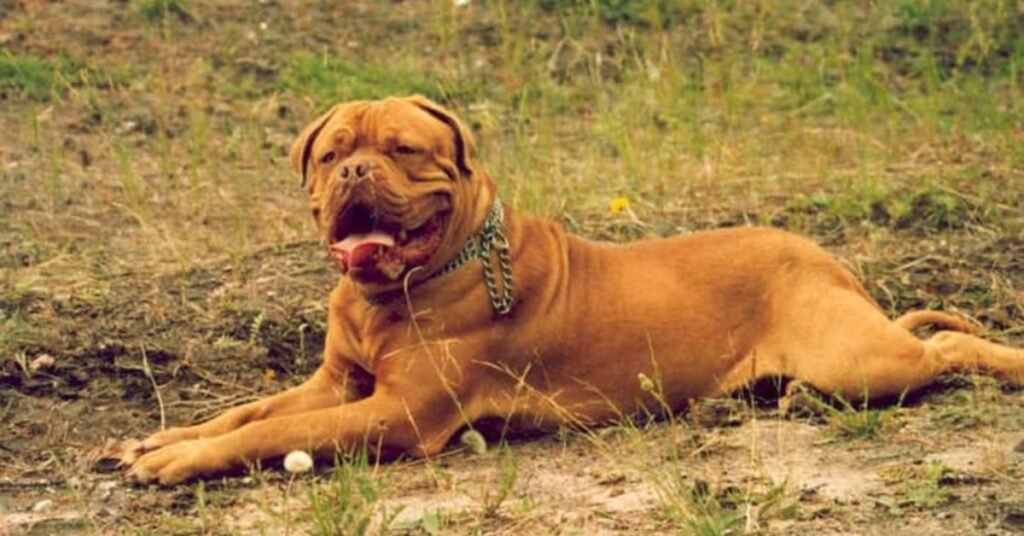
Why Owners Love This Breed
The Dogue de Bordeaux often forms deep emotional bonds with family members.
Many owners describe the breed as:
- Loyal
- Gentle
- Affectionate
- Calm indoors
- Protective when necessary
Although large and powerful, these dogs often seek close contact with their owners.
Many even try to sit on laps despite their enormous size.
Protective Nature
This breed naturally watches over its home and family.
A well-trained Dogue de Bordeaux usually:
- Observes strangers carefully
- Remains confident
- Stays calm under normal circumstances
- Acts only when necessary
Good socialization helps prevent fear-based behaviors.
Living With Other Pets
Success depends on training and early exposure.
Helpful practices include:
- Introducing pets gradually
- Supervising interactions
- Rewarding calm behavior
- Maintaining clear boundaries
Most well-socialized dogs learn to coexist peacefully with other animals.
Appearance and Size
The Dogue de Bordeaux has one of the largest heads in the canine world.
Physical characteristics include:
- Massive skull
- Broad chest
- Thick neck
- Strong muscles
- Wrinkled face
- Short coat
Coat colors generally range from light fawn to dark mahogany.
Adult males often exceed 120 pounds, while some reach significantly higher weights.
Despite their bulk, these dogs move with surprising agility and confidence.
Their serious expression often makes them appear intimidating, even when relaxed.
Training and Socialization
Start Early
Training should begin immediately after bringing a puppy home.
Essential lessons include:
- Basic obedience
- Leash manners
- House training
- Recall commands
- Greeting visitors politely
A giant breed puppy quickly becomes a giant adult.
Early training prevents future problems.
Use Positive Reinforcement
The Dogue de Bordeaux responds best to:
- Praise
- Rewards
- Consistency
- Patience
Positive reinforcement strengthens trust and improves learning.
Harsh corrections often create resistance.
Common Training Challenges
Owners sometimes encounter:
- Stubborn behavior
- Pulling on walks
- Overexcitement
- Excessive guarding
Regular training sessions usually solve these issues.
Mental enrichment also helps reduce boredom. Some owners enjoy activities inspired by guides such as https://thepawtips.com/dogue-de-bordeaux/ to encourage engagement and interaction.
Exercise Requirements
Many people assume giant breeds need intense exercise.
The Dogue de Bordeaux actually prefers moderate activity.
Most adults benefit from:
- Daily walks
- Controlled playtime
- Mental stimulation
- Training exercises
Young puppies require special care.
Too much exercise during growth can place stress on developing joints.
Large breeds often benefit from shorter, controlled activities rather than intense workouts.
Hot weather presents another challenge.
Because of their heavy build and short muzzle structure, these dogs may overheat faster than athletic breeds.
Always provide:
- Shade
- Fresh water
- Rest periods
Feeding and Nutrition
Nutrition plays a major role in maintaining health.
A quality diet supports:
- Joint function
- Muscle development
- Healthy weight
- Immune health
Most adults eat two measured meals daily.
Owners should avoid overfeeding because obesity increases stress on joints and organs.
Important feeding tips include:
- Maintain consistent meal schedules.
- Monitor body condition regularly.
- Use veterinarian-approved diets.
- Avoid excessive treats.
Some owners explore specialized diets discussed in resources about https://thepawtips.com/cutest-dog-breeds/ when managing weight concerns.
Fresh water should remain available at all times.
Read more info: https://thepawtips.com/wire-fox-terrier-guide/
Grooming and Maintenance
The Dogue de Bordeaux has a short coat, but regular care remains important.
Weekly grooming helps remove loose hair and maintain healthy skin.
Routine maintenance includes:
- Brushing once or twice weekly
- Nail trimming
- Ear cleaning
- Dental care
- Wrinkle cleaning
Facial folds require extra attention.
Moisture trapped in wrinkles can lead to irritation.
Owners should inspect these areas frequently.
Ear health also matters. Dogs that shake their heads repeatedly may need evaluation for irritation or infection. Helpful information appears in this guide:https://thepawtips.com/cutest-dog-breeds/
Drooling is another common breed characteristic.
Many owners keep towels nearby for quick cleanup.
Health Issues and Lifespan
Common Health Concerns
Like many giant breeds, the Dogue de Bordeaux faces several health risks.
Potential concerns include:
- Hip dysplasia
- Elbow dysplasia
- Heart disease
- Skin infections
- Allergies
- Arthritis
Routine veterinary care helps detect problems early.
Bloat Awareness
Gastric dilatation-volvulus, commonly called bloat, represents one of the breed’s most serious emergencies.
Warning signs include:
- Swollen abdomen
- Restlessness
- Unproductive retching
- Excessive drooling
Immediate veterinary care is essential.
Lifespan Expectations
The average lifespan ranges from 5 to 8 years.
Owners can support longevity through:
- Weight management
- Preventive care
- Proper nutrition
- Regular exercise
- Early disease detection
Health testing also plays an important role. The Orthopedic Foundation for Animals provides valuable screening resources for breeders and owners (https://ofa.org/).
Family Compatibility
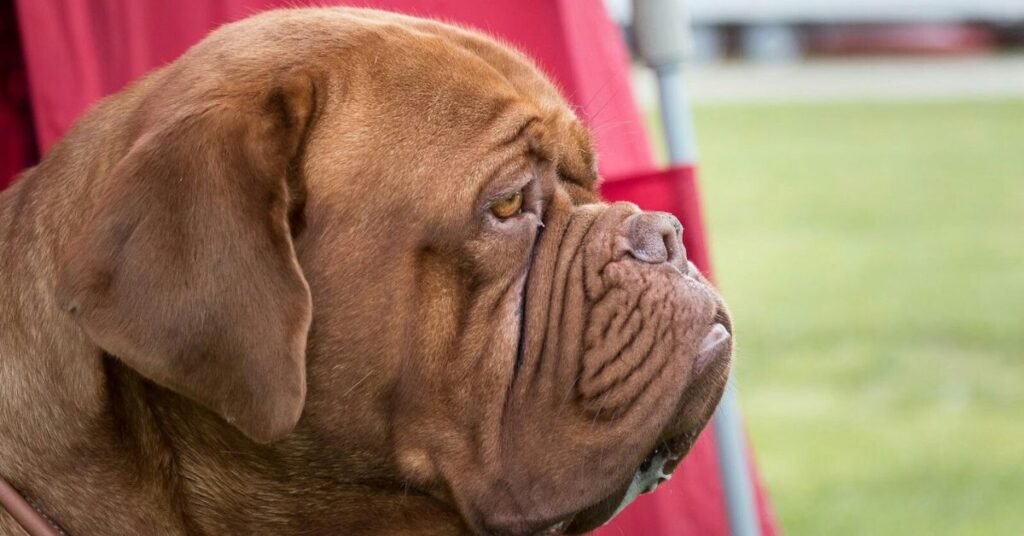
The Dogue de Bordeaux often thrives in family environments.
Many owners report strong bonds between these dogs and children.
Benefits include:
- Protective instincts
- Loyalty
- Calm household behavior
- Affectionate nature
However, supervision remains essential.
A playful giant dog can accidentally knock over a small child.
Families should teach children how to interact respectfully with dogs.
The breed typically prefers spending time near family members rather than living independently outdoors.
Choosing a Puppy or Adoption
Finding a healthy Dogue de Bordeaux starts with research.
Responsible breeders typically provide:
- Health testing records
- Veterinary documentation
- Parent information
- Socialization details
Ask questions before committing to a puppy.
A reputable breeder welcomes discussion and provides transparency.
Adoption can also be a wonderful option.
Breed-specific rescue organizations occasionally help rehome adults needing new families.
Before bringing a dog home, prepare supplies such as:
- Large crate
- Durable bed
- Food bowls
- Training equipment
Safe transportation matters as well. Owners who travel frequently often research solutions such as those discussed at https://thepawtips.com/dogue-de-bordeaux/
Common Owner Mistakes
Many new owners underestimate the demands of giant-breed ownership.
Common mistakes include:
- Delaying obedience training
- Skipping socialization
- Allowing obesity
- Overexercising puppies
- Ignoring health screenings
- Purchasing from irresponsible breeders
Another frequent mistake involves neglecting paw care.
Large dogs place substantial pressure on their paws and joints. During recovery periods or on slippery floors, products discussed at https://thepawtips.com/cutest-dog-breeds/ may provide additional traction and protection.
Preventing problems always proves easier than correcting them later.
Modern Trends in Bordeaux Care
Dog ownership continues to evolve.
Several trends influence how owners care for giant breeds today:
- Advanced genetic testing
- Improved joint supplements
- Personalized nutrition plans
- Health-monitoring technology
- Better orthopedic treatments
Veterinarians now detect many conditions earlier than ever before.
Breeders also place greater emphasis on health screening and responsible breeding practices.
Future developments may improve quality of life and longevity for large-breed dogs.
Owners who stay informed often achieve better long-term outcomes.
Key Takeaways
- Dog the Bordeaux refers to the Dogue de Bordeaux or French Mastiff.
- The breed combines strength, loyalty, and affection.
- Early training and socialization are essential.
- Moderate exercise works better than excessive activity.
- Proper nutrition supports joint and overall health.
- Regular veterinary care helps detect health problems early.
- Responsible breeding and adoption practices improve long-term success.
- The breed thrives in committed families that understand giant dog ownership.
Conclusion
The Dogue de Bordeaux remains one of the most impressive and loyal dog breeds in the world. Its powerful appearance often creates a strong first impression, but its true personality reveals a loving, devoted companion that values family above everything else.
This breed requires time, patience, and responsible care. Owners who invest in training, socialization, nutrition, and health management often enjoy an incredible bond with their dog.
If you want a protective guardian with a gentle heart, the Dogue de Bordeaux may be the perfect addition to your family.
FAQ
What is Dog the Bordeaux?
Dog the Bordeaux usually refers to the Dogue de Bordeaux, also known as the French Mastiff.
Is a Dogue de Bordeaux a good family dog?
Yes. Most are affectionate, loyal, and protective when properly trained.
How big does a Dogue de Bordeaux get?
Adults commonly weigh between 99 and 150 pounds or more.
Does the Dogue de Bordeaux drool a lot?
Yes. Drooling is a normal trait of the breed.
Is the Dogue de Bordeaux easy to train?
Yes, when owners use consistent and positive training methods.
How much exercise does this breed need?
Most adults need moderate daily walks and mental stimulation.
What health problems affect the breed?
Hip dysplasia, heart disease, arthritis, and bloat are common concerns.
How long does a Dogue de Bordeaux live?
The average lifespan ranges from 5 to 8 years.
Are Dogue de Bordeaux dogs aggressive?
No. Properly socialized dogs usually remain calm and confident.
Can Dogue de Bordeaux dogs live with children?
Yes. They often bond strongly with children under proper supervision.