


Introduction
The wire fox terrier is one of the most recognizable terrier breeds in the world. Its distinctive beard, alert expression, and energetic personality make it stand out wherever it goes.
Originally bred in England for fox hunting, this breed combines intelligence, courage, and determination. Today, many families choose the wire fox terrier as a companion because of its lively nature and loyal temperament.
This breed is not a couch potato. A wire fox terrier loves activity, mental challenges, and interaction with its family. Owners who understand the breed’s needs often enjoy years of fun, adventure, and companionship.
In this complete guide, you’ll learn everything about the wire fox terrier, including appearance, temperament, training, health, grooming, feeding, and daily care.
Table of Contents
- What Is a Wire Fox Terrier?
- Wire Fox Terrier Appearance and Size
- Temperament and Personality
- Exercise and Daily Care
- Training a Wire Fox Terrier
- Grooming Requirements
- Common Health Issues
- Feeding and Nutrition
- Living With a Wire Fox Terrier
- Pros and Cons
- Latest Trends and Future Outlook
- Key Takeaways
- Conclusion
- FAQs
What Is a Wire Fox Terrier?
The wire fox terrier is a purebred terrier that originated in England during the 18th century.
Hunters developed the breed to locate and drive foxes from their dens. The dog’s compact size, bravery, and agility made it perfect for the job.
Although the smooth fox terrier and wire fox terrier share similar origins, kennel clubs now recognize them as separate breeds.
According to the American Kennel Club, the wire fox terrier belongs to the Terrier Group and remains known for its confidence, intelligence, and athletic ability. Visit the official American Kennel Club at https://www.akc.org for breed standards and detailed breed information.
Today, wire fox terriers work primarily as companion dogs, but they still retain many of their hunting instincts.
Wire Fox Terrier Appearance and Size
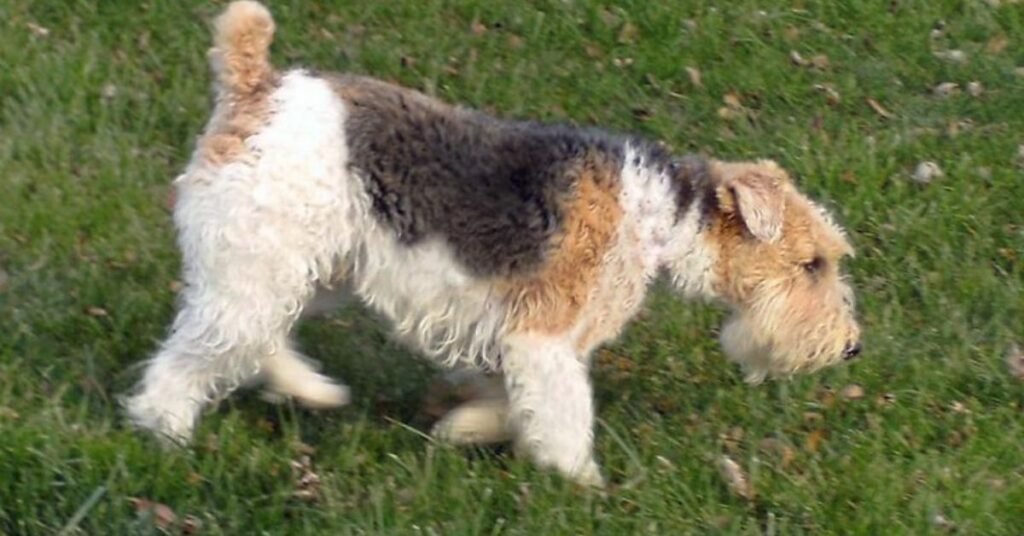
The wire fox terrier has a distinctive look that many dog lovers instantly recognize.
Key Physical Characteristics
- Height: 14 to 16 inches
- Weight: 15 to 18 pounds
- Lifespan: 12 to 15 years
- Coat Type: Dense and wiry
- Coat Colors: White with black, tan, or black-and-tan markings
- Body Shape: Athletic and balanced
- Ears: Folded forward
- Tail: Traditionally carried upright
The breed’s rough coat helps protect it from harsh weather and rough terrain.
Wire Fox Terrier Size Comparison
| Feature | Wire Fox Terrier | Jack Russell Terrier | Beagle |
| Weight | 15–18 lbs | 13–17 lbs | 20–30 lbs |
| Height | 14–16 in | 10–15 in | 13–15 in |
| Lifespan | 12–15 years | 13–16 years | 10–15 years |
| Energy Level | High | Very High | Moderate |
Most wire fox terriers maintain a lean and athletic build throughout their lives when owners provide proper exercise and nutrition.
Temperament and Personality
One of the biggest reasons people love the wire fox terrier is its lively personality.
This breed approaches life with enthusiasm. It loves games, adventures, and family activities.
Common Personality Traits
- Intelligent
- Fearless
- Playful
- Curious
- Loyal
- Alert
- Independent
Wire fox terriers often act much bigger than they actually are. Their confidence sometimes surprises first-time owners.
How They Interact With Family
With Adults
- Form strong bonds with owners
- Enjoy active lifestyles
- Love interactive play
With Children
- Usually do well with respectful children
- Enjoy games and outdoor activities
- Need supervision around very young kids
And, with Other Pets
- Early socialization helps significantly
- May chase smaller animals
- Can display territorial behavior toward unfamiliar dogs
Common Behavioral Challenges
- Excessive barking
- Digging
- Chasing wildlife
- Stubbornness
- Separation anxiety
Consistent training helps manage these behaviors before they become habits.
Exercise and Daily Care
The wire fox terrier is a high-energy breed.
Owners should expect to provide daily physical and mental stimulation.
Without enough activity, this breed often creates its own entertainment, which may include digging flower beds or chewing household items.
Daily Exercise Requirements
A healthy adult wire fox terrier usually benefits from:
- 45 to 90 minutes of exercise daily
- Walks
- Fetch games
- Agility activities
- Puzzle toys
- Training sessions
Mental Stimulation Ideas
Interactive Activities
- Hide-and-seek games
- Scent work
- Puzzle feeders
- Obedience training
Outdoor Adventures
- Hiking
- Nature walks
- Secure off-leash play areas
- Agility courses
Indoor Activities
- Toy rotation
- Short training sessions
- Interactive play
Keeping a dog mentally active is just as important as physical exercise.
Owners who enjoy outdoor adventures may also find helpful information in this guide about protecting dog paws during walks:https://thepawtips.com/socks-for-dogs/
Training a Wire Fox Terrier
Training should begin early.
This breed learns quickly but often questions authority. A wire fox terrier likes to think independently.
That combination creates both opportunities and challenges during training.
Best Training Practices
- Use positive reinforcement.
- Keep sessions short.
- Reward desired behavior immediately.
- Maintain consistency.
- Start socialization early.
What Works Best
Reward-Based Training
- Treat rewards
- Verbal praise
- Toys
- Interactive play
Socialization
- Meet new people regularly
- Visit dog-friendly places
- Introduce different sounds and environments
Consistency
- Use the same commands
- Follow household rules
- Reinforce expectations daily
Common Training Mistakes
- Repeating commands excessively
- Using punishment-based methods
- Skipping socialization
- Allowing unwanted behaviors during puppyhood
Many terrier owners underestimate the importance of early training. A well-trained wire fox terrier becomes a much easier companion to live with.
Grooming Requirements
The wire fox terrier’s coat requires more maintenance than many short-haired breeds.
Regular grooming helps maintain the coat’s texture and appearance.
Unlike many breeds, the wire fox terrier often benefits from hand stripping rather than simple clipping.
Basic Grooming Tasks
- Brush several times weekly
- Trim nails regularly
- Clean ears as needed
- Brush teeth daily
- Schedule professional grooming when necessary
Coat Maintenance Schedule
| Grooming Task | Frequency |
| Brushing | 2–3 times weekly |
| Nail Trimming | Every 3–4 weeks |
| Ear Cleaning | Weekly |
| Teeth Brushing | Daily |
| Professional Grooming | Every 6–8 weeks |
Owners should also monitor ear health carefully. If you notice frequent scratching or discomfort, this article about why dogs shake their heads may help identify common causes.
Read more for info: https://thepawtips.com/chiweenie-dog-breed-guide/
Common Health Issues
Wire fox terriers generally enjoy good health.
However, like all breeds, they can experience certain inherited or age-related conditions.
The Orthopedic Foundation for Animals provides valuable information about canine health screening programs through its official website at https://ofa.org.
Potential Health Concerns
- Patellar luxation
- Hip problems
- Cataracts
- Lens luxation
- Allergies
- Skin conditions
- Epilepsy
Regular veterinary exams help identify problems before they become serious.
Warning Signs Owners Should Watch For
- Vision changes
- Limping
- Persistent itching
- Appetite loss
- Lethargy
- Unusual behavior changes
Preventive care remains one of the most effective ways to support long-term health.
Digestive issues occasionally affect active dogs. Owners dealing with stomach troubles may benefit from reading this guide about dog diarrhea and recovery tips:
Feeding and Nutrition

Good nutrition supports energy levels, coat quality, muscle development, and overall health.
The ideal diet depends on age, activity level, and health status.
Most healthy adult wire fox terriers do well with high-quality commercial dog food formulated for active small-to-medium breeds.
General Feeding Guidelines
- Puppies: 3 to 4 meals daily
- Adults: 2 meals daily
- Seniors: Follow veterinarian recommendations
Nutrients That Matter Most
- High-quality protein
- Healthy fats
- Omega fatty acids
- Vitamins
- Minerals
- Fresh water
Foods to Avoid
- Chocolate
- Grapes
- Raisins
- Onions
- Garlic
- Xylitol
- Excessive table scraps
Some owners explore specialized nutrition plans. This article on low-carb dog food options offers additional insights into dietary choices.
Maintaining a healthy weight helps reduce stress on joints and supports long-term mobility.
Living With a Wire Fox Terrier
The wire fox terrier adapts to many living situations.
However, apartment living works best when owners commit to providing enough daily exercise.
This breed thrives with active families who enjoy spending time outdoors.
A typical wire fox terrier enjoys:
- Family interaction
- Daily walks
- Mental challenges
- Structured routines
- Playtime
Because of its hunting background, secure fencing is important. Many wire fox terriers happily chase squirrels, rabbits, and other small animals.
Families who frequently travel with pets should prioritize safety during transportation. Resources discussing safe travel equipment for dogs can help owners prepare for road trips.
Pros and Cons
Every breed has strengths and challenges.
| Pros | Cons |
| Highly intelligent | Strong prey drive |
| Loyal companion | Can be stubborn |
| Long lifespan | Needs regular grooming |
| Great watchdog | May bark excessively |
| Athletic and energetic | Requires daily exercise |
| Fun personality | Can chase small animals |
Understanding these traits helps future owners determine whether the breed matches their lifestyle.
Latest Trends and Future Outlook
Interest in active companion breeds continues to grow.
Many modern dog owners seek intelligent breeds that can participate in outdoor activities, canine sports, and advanced training programs.
Several trends influence wire fox terrier ownership today:
- DNA health testing
- Positive reinforcement training
- Pet fitness tracking devices
- Customized nutrition plans
- Pet insurance adoption
- Advanced veterinary screening
These developments help owners provide better care and improve long-term health outcomes.
As more people seek active canine companions, the wire fox terrier will likely remain a popular choice among experienced dog owners.
Key Takeaways
- The wire fox terrier is an energetic and intelligent terrier breed.
- This breed typically weighs 15 to 18 pounds.
- Wire fox terriers need daily exercise and mental stimulation.
- Early training and socialization are essential.
- Regular grooming helps maintain their distinctive coat.
- Most dogs live between 12 and 15 years.
- Active households often provide the best environment.
- Preventive healthcare supports a long and healthy life.
Conclusion
The wire fox terrier combines intelligence, courage, athleticism, and personality in one compact package. This breed thrives with owners who enjoy training, exercise, and interactive activities.
Although grooming and training require commitment, the rewards often outweigh the challenges. A well-cared-for wire fox terrier becomes a loyal companion, enthusiastic playmate, and devoted family member.
If you want a dog with energy, confidence, and a fun-loving spirit, the wire fox terrier deserves serious consideration.
FAQ
Is a wire fox terrier a good family dog?
Yes. Wire fox terriers can make excellent family pets when properly trained and socialized.
How much exercise does a wire fox terrier need?
Most adults need 45 to 90 minutes of daily physical activity.
Do wire fox terriers shed a lot?
They shed less than many breeds, but regular grooming remains important.
Are wire fox terriers easy to train?
They learn quickly but often show an independent streak.
How long does a wire fox terrier live?
Most live between 12 and 15 years with proper care.
Do wire fox terriers bark frequently?
Yes. Their alert nature often makes them vocal watchdogs.
Can wire fox terriers live in apartments?
Yes, if owners provide enough exercise and mental stimulation.
Are wire fox terriers good with other pets?
They can be, especially when socialization starts early.