


Introduction
Choosing a dog for your family is one of the most important decisions you can make as a pet owner.
A family dog becomes much more than a pet. It becomes a playmate, companion, protector, and loyal friend. The right dog can teach children responsibility, encourage outdoor activity, and create lasting memories for everyone in the household.
However, not every breed fits every family.
Some dogs need constant exercise. Others prefer a calm home. Some thrive with children, while others do best with experienced owners.
This guide explores the most excellent family dogs, their personalities, care requirements, and how to find the best match for your lifestyle.
Table of Contents
- What Makes a Dog a Great Family Pet?
- 20 Excellent Family Dogs
- Comparison Table of Family-Friendly Breeds
- How to Choose the Right Family Dog
- Training and Socialization Tips
- Health and Care Considerations
- Common Mistakes Families Make
- Trends in Family Dog Ownership
- Key Takeaways
- Conclusion
- FAQs
What Makes a Dog a Great Family Pet?
Not all family dogs share the same traits, but many excellent family dogs have several characteristics in common.
These include:
- Friendly temperament
- Patience with children
- Trainability
- Adaptability
- Loyalty
- Moderate energy levels
- Predictable behavior
A good family dog should fit naturally into daily life and enjoy spending time with people.
The American Kennel Club (AKC) highlights temperament, trainability, and compatibility with children as important factors when evaluating family-friendly breeds.
20 Excellent Family Dogs
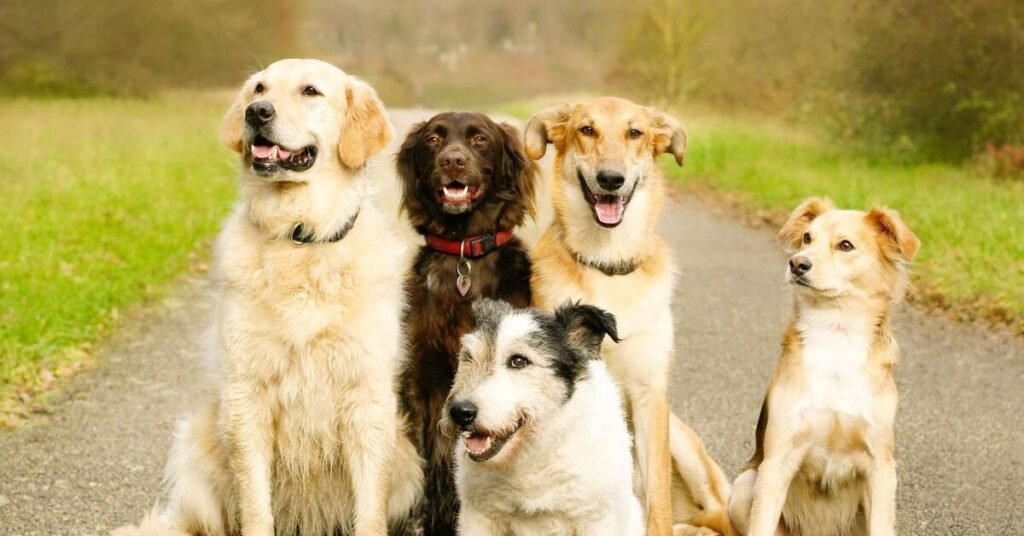
Best Large Family Dogs
Golden Retriever
Golden Retrievers consistently rank among the best family dogs worldwide.
Families love them because they are:
- Friendly
- Intelligent
- Easy to train
- Patient with children
They enjoy active households and outdoor adventures.
Labrador Retriever
The Labrador Retriever remains one of the most popular dog breeds globally.
Key qualities include:
- Gentle personality
- High intelligence
- Strong loyalty
- Adaptability
Labs fit well into many family environments.
Bernese Mountain Dog
Bernese Mountain Dogs offer a calm and affectionate temperament.
Families appreciate their:
- Gentle nature
- Loving personality
- Patience with children
- Protective instincts
Newfoundland
Newfoundlands earn the nickname “gentle giants.”
They are known for:
- Calm behavior
- Strong swimming abilities
- Child-friendly temperament
- Protective nature
Best Medium-Sized Family Dogs
Beagle
Beagles bring energy and curiosity into family life.
Benefits include:
- Friendly personality
- Compact size
- Strong family bonds
- Playful attitude
Boxer
Boxers combine fun, loyalty, and athleticism.
Families often love their:
- Playful nature
- Protective instincts
- Intelligence
- Affectionate behavior
Standard Poodle
Poodles offer both intelligence and versatility.
Advantages include:
- Excellent trainability
- Low shedding coat
- Family-friendly personality
- Strong obedience skills
English Springer Spaniel
This breed thrives on companionship.
Families enjoy:
- Friendly temperament
- Active personality
- Intelligence
- Loyalty
Best Small Family Dogs
Cavalier King Charles Spaniel
The Cavalier remains one of the most affectionate companion dogs.
Highlights include:
- Gentle temperament
- Adaptability
- Friendly nature
- Child-friendly behavior
Bichon Frise
Bichons bring cheerful energy to family homes.
Benefits include:
- Low shedding
- Playfulness
- Friendly personality
- Adaptability
Havanese
The Havanese thrives on human interaction.
Families appreciate:
- Affectionate nature
- Compact size
- Intelligence
- Trainability
French Bulldog
French Bulldogs suit families who prefer lower exercise requirements.
They offer:
- Easygoing personalities
- Apartment-friendly size
- Strong family bonds
- Playful behavior
Comparison Table of Family-Friendly Breeds
| Breed | Size | Energy Level | Child Friendly | Trainability |
| Golden Retriever | Large | High | Excellent | Excellent |
| Labrador Retriever | Large | High | Excellent | Excellent |
| Beagle | Medium | Moderate | Excellent | Good |
| Boxer | Medium | High | Excellent | Good |
| Cavalier King Charles Spaniel | Small | Moderate | Excellent | Good |
| French Bulldog | Small | Low | Very Good | Moderate |
| Poodle | Medium/Large | Moderate | Excellent | Excellent |
| Bernese Mountain Dog | Large | Moderate | Excellent | Good |
How to Choose the Right Family Dog
Consider Your Lifestyle
Every family has different needs.
Ask yourself:
- How active is your family?
- How much space do you have?
- How much grooming can you handle?
- How often will someone be home?
These answers help narrow your choices.
Think About Children’s Ages
Some breeds tolerate rough play better than others.
For families with younger children:
- Golden Retriever
- Labrador Retriever
- Newfoundland
- Beagle
For families with older children:
- Boxer
- Standard Poodle
- English Springer Spaniel
Evaluate Maintenance Needs
Before choosing a breed, consider:
- Grooming requirements
- Exercise needs
- Health concerns
- Training commitment
For example, low-shedding breeds often require more grooming. Families researching these options may also find value in learning about dogs that don’t shed at https://thepawtips.com/dogs-that-dont-shed/
Training and Socialization Tips
Start Early
Training should begin immediately.
Focus on:
- Basic obedience
- Leash walking
- House training
- Socialization
Early learning creates confident adult dogs.
Involve the Entire Family
Consistency matters.
Every family member should:
- Use the same commands
- Follow the same rules
- Reward good behavior
This approach prevents confusion.
Use Positive Reinforcement
Reward-based training encourages:
- Faster learning
- Better behavior
- Stronger relationships
Treats, praise, and play often produce the best results.
Mental stimulation also helps reduce boredom. Interactive activities inspired by resources such as https://thepawtips.com/dogs-that-dont-shed/ can keep intelligent dogs engaged.
Read more for info: https://thepawtips.com/dogs-that-dont-shed/
Health and Care Considerations
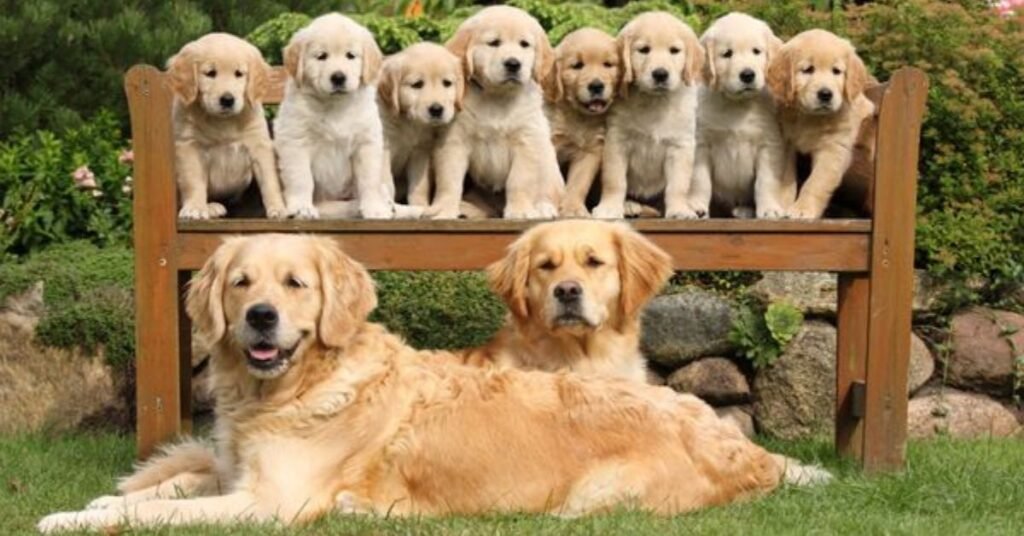
Family dogs need ongoing care to stay healthy and happy.
Important areas include:
- Nutrition
- Exercise
- Veterinary visits
- Grooming
- Dental care
A healthy diet supports long-term wellness. Families interested in nutrition management may find helpful information in this guide abouthttps://thepawtips.com/dog-the-bordeaux/
Regular exercise also protects physical and mental health.
Some active dogs benefit from additional paw protection during outdoor adventures. Products discussed in https://thepawtips.com/dogue-de-bordeaux/ may help protect sensitive paw pads.
The American Veterinary Medical Association (AVMA) recommends routine wellness examinations throughout a dog’s life to support preventive healthcare.
Common Mistakes Families Make
Many families choose dogs based only on appearance.
This often leads to mismatched expectations.
Common mistakes include:
- Ignoring energy levels.
- Underestimating training needs.
- Choosing a breed too large for the home.
- Neglecting socialization.
- Overlooking grooming requirements.
- Failing to research health issues.
Another common mistake involves transportation planning. Families who travel frequently should consider safe travel setups similar to those discussed in https://thepawtips.com/cutest-dog-breeds/
Successful ownership starts with realistic expectations.
Trends in Family Dog Ownership
Family dog ownership continues to evolve.
Current trends include:
- Increased adoption rates
- Greater interest in mixed breeds
- Focus on positive training methods
- More emphasis on preventive healthcare
- Increased demand for low-shedding breeds
Remote work has also changed dog ownership.
More families now spend additional time at home, allowing stronger bonds and increased training opportunities.
Technology continues to improve pet care through:
- Smart feeders
- GPS trackers
- Health monitoring devices
- Online training programs
Future innovations will likely make dog care even more personalized and effective.
For families researching giant breeds, guides covering dogs such as the https://thepawtips.com/dogue-de-bordeaux/ can provide valuable insights into breed-specific needs.
Key Takeaways
- Excellent family dogs combine friendliness, patience, trainability, and adaptability.
- Golden Retrievers and Labrador Retrievers remain top family choices.
- Small, medium, and large breeds can all thrive in family environments.
- Proper training and socialization are essential.
- Choose a dog that matches your family’s lifestyle and activity level.
- Preventive healthcare supports long-term wellness.
- Research breeds thoroughly before making a decision.
Conclusion
Excellent family dogs enrich daily life with companionship, loyalty, and unconditional love. The best family dog is not always the most popular breed. Instead, it is the dog whose needs match your family’s lifestyle, schedule, and experience level.
Whether you choose a playful Labrador Retriever, a gentle Golden Retriever, a cheerful Beagle, or an affectionate Cavalier King Charles Spaniel, success depends on responsible ownership, proper training, and consistent care.
When families invest time and effort into building strong relationships with their dogs, the rewards last for many years.
FAQ
What is the best family dog overall?
Golden Retrievers and Labrador Retrievers consistently rank among the best family dogs.
Which dog breed is safest around children?
Golden Retrievers, Newfoundlands, and Labrador Retrievers are known for their gentle temperaments.
Are small dogs good family pets?
Yes. Breeds like the Cavalier King Charles Spaniel and Havanese make excellent family companions.
Which family dog sheds the least?
Poodles and Bichon Frises are among the best low-shedding family dogs.
What is the easiest family dog to train?
Golden Retrievers, Labrador Retrievers, and Poodles learn quickly and respond well to training.
Are family dogs good with other pets?
Many family-friendly breeds adapt well to other pets when properly socialized.
How much exercise do family dogs need?
Requirements vary by breed, but most need daily physical activity and mental stimulation.
Should families adopt or buy a dog?
Both options can work well when families research carefully and choose responsibly.
What age is best for getting a family dog?
Many families succeed with puppies or young adult dogs, depending on their experience level.
How do I choose the right family dog?
Consider your home’s size, activity level, budget, and the dog’s temperament before deciding.