

Introduction
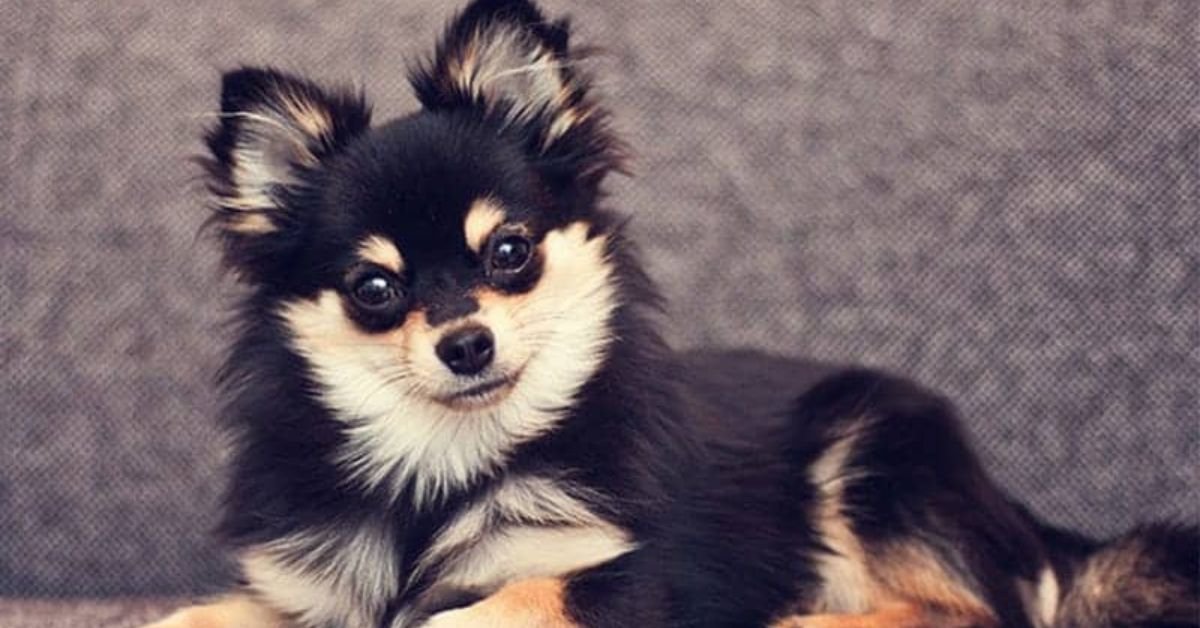
The mix Chihuahua Pomeranian has become one of the most popular small designer dogs in recent years. Dog lovers often know this adorable hybrid as the Pomchi.
This breed combines two famous toy breeds: the Chihuahua and the Pomeranian. The result is a compact dog with a big personality, a loving nature, and an adorable appearance.
Despite their small size, Pomchis often act like much larger dogs. They are confident, alert, playful, and extremely loyal. Many owners choose them because they fit well into apartments while still providing companionship and entertainment.
However, owning a mix Chihuahua Pomeranian requires understanding their unique needs. Their small bodies, energetic nature, and strong attachment to family members mean they need proper training, socialization, nutrition, and healthcare.
This guide explains everything you need to know before bringing a Pomchi into your home.
Table of Contents
- What Is a Mix Chihuahua Pomeranian?
- Appearance and Size
- Temperament and Personality
- Exercise and Daily Care
- Training and Socialization
- Grooming Requirements
- Common Health Issues
- Feeding and Nutrition
- Living With a Pomchi
- Pros and Cons
- Latest Trends and Future Outlook
- Key Takeaways
- Conclusion
- FAQs
What Is a Mix Chihuahua Pomeranian?
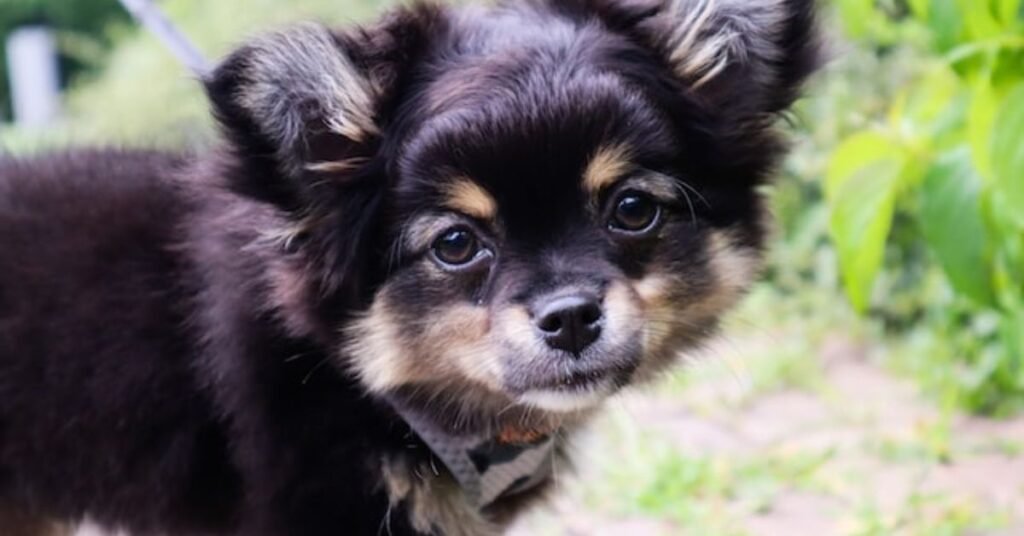
A mix Chihuahua Pomeranian is a crossbreed created by breeding a Chihuahua with a Pomeranian.
This hybrid belongs to the growing category of designer dog breeds. Breeders developed the Pomchi to combine the best qualities of both parent breeds.
The Chihuahua contributes loyalty, confidence, and alertness. The Pomeranian adds intelligence, charm, and a fluffy appearance.
Because this is a mixed breed, every puppy can look and behave differently. Some Pomchis resemble tiny Pomeranians, while others inherit more Chihuahua-like features.
The American Kennel Club recognizes both parent breeds and provides detailed breed information through the official American Kennel Club (AKC) website: https://www.akc.org
Although the Pomchi is not recognized as a separate AKC breed, it remains a popular companion dog worldwide.
Appearance and Size
The appearance of a mix Chihuahua Pomeranian varies depending on genetics.
Some dogs inherit the Pomeranian’s thick double coat, while others display a shorter Chihuahua-style coat.
Physical Characteristics
- Height: 6 to 10 inches
- Weight: 4 to 12 pounds
- Lifespan: 12 to 16 years
- Body Type: Compact and lightweight
- Eyes: Large and expressive
- Ears: Usually upright
- Tail: Curled or fluffy
Pomchis often have fox-like faces and bright, alert expressions.
Mix Chihuahua Pomeranian Size Comparison
| Feature | Pomchi | Chihuahua | Pomeranian |
| Weight | 4–12 lbs | 2–6 lbs | 3–7 lbs |
| Height | 6–10 in | 5–8 in | 6–7 in |
| Lifespan | 12–16 years | 14–17 years | 12–16 years |
| Energy Level | Moderate to High | Moderate | High |
Common Coat Colors
- White
- Black
- Brown
- Cream
- Chocolate
- Tan
- Sable
- Mixed patterns
Long-haired Pomchis require more grooming than short-coated varieties.
Temperament and Personality
One reason the mix Chihuahua Pomeranian remains so popular is its personality.
These dogs often become deeply attached to their owners and enjoy being involved in daily activities.
Typical Personality Traits
- Affectionate
- Loyal
- Alert
- Intelligent
- Curious
- Playful
- Protective
Although small, many Pomchis display impressive confidence.
Family Behavior
Around Adults
- Form strong bonds
- Enjoy cuddling
- Like spending time with owners
Around Children
- Usually do well with respectful older children
- Prefer gentle handling
- May become nervous around rough play
Now, around Other Pets
- Early socialization improves outcomes
- Often coexist well with other dogs
- May show territorial behavior
Common Behavioral Challenges
- Excessive barking
- Separation anxiety
- Possessiveness
- Fearfulness around strangers
Many of these issues improve with proper training and socialization.
Exercise and Daily Care
Despite their tiny size, Pomchis need regular activity.
Daily exercise supports healthy weight management, mental stimulation, and good behavior.
Most adult dogs benefit from:
- Daily walks
- Indoor games
- Puzzle toys
- Training sessions
- Interactive playtime
A bored Pomchi may develop unwanted habits such as barking or chewing.
Exercise Ideas
Indoor Activities
- Hide-and-seek
- Puzzle feeders
- Tug games
- Training exercises
Outdoor Activities
- Neighborhood walks
- Secure backyard play
- Dog-friendly parks
- Short hikes
Mental Enrichment
- Scent games
- Learning new commands
- Interactive toys
Owners who walk their dogs frequently may find helpful advice in this guide about dog socks for paw protection during outdoor activities.
Mental stimulation often tires a Pomchi just as effectively as physical exercise.
Training and Socialization
Training should begin early.
The mix Chihuahua Pomeranian is intelligent, but both parent breeds can show stubborn tendencies.
Positive reinforcement works best.
Effective Training Methods
Positive Rewards
- Small treats
- Praise
- Toys
- Playtime rewards
Consistent Rules
- Use the same commands
- Follow routines
- Reinforce expectations daily
Socialization
- Meet new people
- Visit new environments
- Experience different sounds
- Interact with friendly dogs
Common Training Mistakes
- Inconsistent rules
- Overlooking bad behavior because the dog is small
- Delayed socialization
- Harsh correction methods
House Training Tips
- Create a schedule.
- Reward successful potty breaks.
- Use crate training appropriately.
- Stay patient and consistent.
Many owners notice faster progress when they start training during puppyhood.
Grooming Requirements
The grooming needs of a mix Chihuahua Pomeranian depend heavily on coat type.
Dogs that inherit the Pomeranian’s double coat require more maintenance.
Routine Grooming Tasks
- Brush several times weekly
- Clean ears regularly
- Trim nails monthly
- Brush teeth daily
- Check skin for irritation
Grooming Schedule
| Grooming Task | Frequency |
| Brushing | 3–4 times weekly |
| Ear Cleaning | Weekly |
| Nail Trimming | Every 3–4 weeks |
| Teeth Brushing | Daily |
| Bathing | Every 4–8 weeks |
Owners should pay close attention to ear health. If your dog frequently scratches or seems uncomfortable, this guide on why dogs shake their heads may help identify common causes.
Regular grooming also strengthens the bond between owner and pet.
Read more for info: https://thepawtips.com/wire-fox-terrier-guide/
Common Health Issues
Most Pomchis live long lives, but they can inherit health conditions from either parent breed.
Routine veterinary care helps detect issues early.
The American Veterinary Medical Association (AVMA) provides trusted information about preventive healthcare and responsible pet ownership: https://www.avma.org
Common Health Problems
- Dental disease
- Patellar luxation
- Heart disease
- Tracheal collapse
- Eye problems
- Obesity
- Allergies
Signs That Need Veterinary Attention
- Difficulty breathing
- Persistent coughing
- Loss of appetite
- Sudden weight changes
- Excessive scratching
- Unusual lethargy
Small breeds often experience digestive sensitivities. Owners facing stomach issues may find this guide about dog diarrhea and recovery care helpful.
Preventive care remains one of the best investments for long-term health.
Feeding and Nutrition

Good nutrition supports energy, coat quality, immune function, and healthy growth.
The best diet depends on age, activity level, and overall health.
Feeding Guidelines
Puppies:
- Three to four meals daily
Adults:
- Two meals daily
Seniors:
- Follow veterinary recommendations
Important Nutrients
- High-quality protein
- Healthy fats
- Vitamins
- Minerals
- Omega fatty acids
Foods to Avoid
- Chocolate
- Grapes
- Raisins
- Onions
- Garlic
- Xylitol
Because obesity can develop quickly in toy breeds, portion control matters.
Owners researching specialized diets may benefit from this resource about low-carb dog food options and benefits.
Fresh water should always remain available.
Living With a Pomchi
The mix Chihuahua Pomeranian adapts well to modern lifestyles.
Many owners successfully raise Pomchis in apartments, condominiums, and smaller homes.
However, these dogs dislike long periods of isolation.
A healthy environment includes:
- Daily companionship
- Mental stimulation
- Consistent routines
- Safe exercise opportunities
Because of their small size, owners should supervise interactions with larger dogs.
Families who travel frequently should also prioritize transportation safety. This guide about safe truck travel equipment for dogs provides useful information for pet owners on the move.
Pomchis thrive when they feel included in family life.
Pros and Cons
Every dog breed has advantages and challenges.
| Pros | Cons |
| Small and portable | Can bark frequently |
| Loyal companion | May develop separation anxiety |
| Apartment friendly | Sometimes stubborn |
| Long lifespan | Fragile due to small size |
| Intelligent | Needs socialization |
| Affectionate | Can become possessive |
Understanding both sides helps future owners make informed decisions.
Latest Trends and Future Outlook
The popularity of designer dogs continues to rise.
The mix Chihuahua Pomeranian remains attractive to owners who want a small companion with a big personality.
Current trends include:
- DNA health screening
- Personalized nutrition plans
- Pet insurance coverage
- Smart pet health trackers
- Positive reinforcement training
Many breeders and veterinarians now focus on genetic testing to reduce inherited health risks.
As pet care technology improves, Pomchi owners will likely gain access to even more tools that support long-term health and wellness.
Key Takeaways
- A mix Chihuahua Pomeranian is commonly called a Pomchi.
- These dogs usually weigh between 4 and 12 pounds.
- Most Pomchis live 12 to 16 years.
- Early socialization improves confidence and behavior.
- Regular grooming is essential, especially for long-haired dogs.
- Daily exercise and mental stimulation help prevent boredom.
- Preventive veterinary care supports lifelong health.
- Pomchis fit well into apartments and smaller homes.
Conclusion
The mix Chihuahua Pomeranian combines intelligence, loyalty, charm, and affection in a compact package. These dogs thrive when owners provide consistent training, proper nutrition, daily exercise, and plenty of companionship.
Although their small size makes them easy to manage, Pomchis still require commitment and responsible care. For owners who want a loving and energetic companion, the mix Chihuahua Pomeranian can be an excellent addition to the family.
FAQ
What is a mix Chihuahua Pomeranian called?
Most people call this hybrid breed a Pomchi.
How big does a Pomchi get?
Most adults weigh between 4 and 12 pounds and stand 6 to 10 inches tall.
Are Pomchis good family dogs?
Yes, especially for families with older children who understand gentle handling.
Do Pomchis bark a lot?
They can be vocal because both parent breeds are naturally alert.
How long does a mix Chihuahua Pomeranian live?
Most live between 12 and 16 years with proper care.
Are Pomchis easy to train?
They are intelligent but sometimes stubborn, so consistency is important.
Do Pomchis shed?
Yes. Shedding varies depending on the coat they inherit.
Can Pomchis stay alone all day?
No. They prefer companionship and may develop separation anxiety.