


Introduction
A puppy needle schedule is a vaccination plan that helps protect puppies from serious diseases. Puppies have developing immune systems, so they need vaccines at the right ages. A proper vaccination schedule helps them stay healthy and lowers the risk of infection. Most veterinarians start puppy vaccinations when puppies are around six to eight weeks old.
Many new dog owners wonder when their puppy should get each vaccine. Missing a vaccine or delaying an appointment can leave a puppy vulnerable to dangerous illnesses. Following the correct puppy needle schedule gives your pet the best chance to grow into a healthy and active adult dog.
Understanding a puppy needle schedule does not have to feel confusing. Each vaccine has a specific purpose and timing. In this guide, you will learn when puppies need vaccinations, which vaccines are important, and how to keep your puppy protected throughout the first year of life.
What Is a Puppy Needle Schedule?
A puppy needle schedule is a timeline that shows when a puppy should receive vaccinations. These vaccines help protect puppies from serious diseases and infections. Veterinarians follow this schedule to build strong immunity while puppies are still growing. Most puppies start receiving vaccines at six to eight weeks of age.
A proper puppy needle schedule helps owners keep track of important vaccination dates. It also reduces the risk of missed vaccines and health problems. Regular vaccinations support a healthy start in life and help puppies stay protected as they explore the world around them.
Core Vaccines Every Puppy Needs
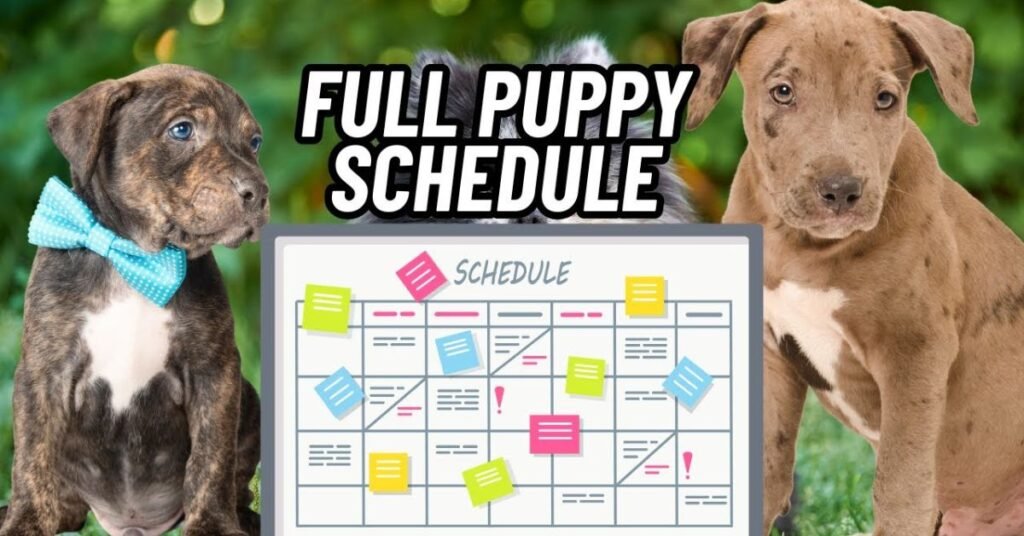
Core vaccines protect puppies from serious and highly contagious diseases. Most veterinarians recommend these vaccines for every puppy, regardless of breed or lifestyle. Core vaccines usually protect against distemper, parvovirus, adenovirus, and rabies. These diseases can cause severe illness and may even become life-threatening.
Puppies receive these vaccines in a series of shots during their first few months of life. Each dose helps strengthen their immune system and improve protection. Following the recommended vaccination schedule helps your puppy stay healthy and reduces the risk of dangerous infections. Regular veterinary visits also ensure that your puppy receives each vaccine at the right time.
Puppy Needle Schedule by Age
Puppies need several vaccinations during their first year of life. Veterinarians give these vaccines at specific ages to build strong immunity. Following the correct puppy needle schedule helps protect your puppy from serious diseases. Regular vet visits also help ensure that your puppy receives each vaccine on time.
Every puppy may have slightly different needs based on its health, location, and lifestyle. Your veterinarian may adjust the schedule if necessary. The table below shows a common puppy vaccination timeline that many vets follow.
| Puppy Age | Vaccination Stage | Common Vaccines |
| 6–8 Weeks | First vaccination visit | Distemper, Parvovirus, Adenovirus (DHPP) |
| 8–10 Weeks | Booster vaccination | DHPP booster |
| 10–12 Weeks | Additional protection | DHPP booster, optional vaccines based on risk |
| 12–16 Weeks | Final puppy boosters | DHPP final booster, Rabies vaccine |
| 16–18 Weeks | Follow-up if needed | Additional boosters recommended by your vet |
| 6 Months | Health check | Vaccinations if any doses were missed |
| 12 Months | First annual booster | DHPP booster, Rabies booster, other recommended vaccines |
| Every 1–3 Years | Adult vaccination schedule | Booster shots based on veterinary advice and local laws |
This timeline serves as a general guide. Always follow your veterinarian’s recommendations for the most accurate puppy needle schedule for your pet.
Optional Vaccines for Puppies
Some puppies need additional vaccines based on their lifestyle and environment. Veterinarians call these non-core or optional vaccines. These vaccines help protect puppies that visit dog parks, boarding facilities, training classes, or other places where they meet many dogs. Your veterinarian can help you decide which vaccines suit your puppy’s needs.
Not every puppy requires optional vaccines. Factors such as location, travel plans, and exposure to other animals can affect vaccine recommendations. Discuss your puppy’s daily activities with your veterinarian to create the best vaccination plan.
| Optional Vaccine | Protects Against | Recommended For |
| Bordetella | Kennel cough | Puppies that visit boarding kennels, groomers, or dog daycare |
| Leptospirosis | Bacterial infection that can affect organs | Puppies that spend time outdoors or near wildlife |
| Canine Influenza | Dog flu | Puppies that have frequent contact with other dogs |
| Lyme Disease | Tick-borne illness | Puppies living in areas with high tick populations |
| Rattlesnake Vaccine | Effects of rattlesnake bites | Puppies in regions where rattlesnakes are common |
| Coronavirus Vaccine* | Certain canine coronavirus strains | Only in specific situations recommended by a veterinarian |
| Parainfluenza | Respiratory infection | Puppies that attend social settings with other dogs |
*Veterinarians do not commonly recommend this vaccine for all puppies. Your veterinarian can determine whether it is necessary for your dog.
Read more for info: https://thepawtips.com/dog-toothpaste/
What to Expect After Puppy Vaccinations
Most puppies handle vaccinations very well. After the appointment, your puppy may feel tired or less active for a day. Some puppies develop mild soreness around the injection site. These reactions are usually normal and disappear within a short time.
Keep your puppy comfortable and allow plenty of rest after vaccination. Offer fresh water and monitor your puppy for any unusual symptoms. Contact your veterinarian if you notice severe reactions or if mild symptoms last longer than expected.
Common mild reactions include:
- Sleepiness or low energy
- Mild soreness at the injection site
- Slight loss of appetite
- Mild swelling where the vaccine was given
- Temporary fever
Contact your veterinarian if you notice:
- Difficulty breathing
- Severe swelling of the face or body
- Repeated vomiting
- Persistent diarrhea
- Extreme weakness or collapse
- Symptoms that worsen instead of improving
Keeping Your Puppy Healthy During the Vaccination Period

During the vaccination period, your puppy needs extra care and attention. Follow your veterinarian’s vaccination schedule and never miss an appointment. Feed a balanced diet and provide clean water every day. A healthy routine helps your puppy build strong immunity and grow properly.
Keep your puppy away from areas where unvaccinated dogs may visit. Avoid crowded dog parks and public spaces until your veterinarian says it is safe. Watch for any signs of illness and contact your veterinarian if something seems unusual. Regular rest, gentle exercise, and a clean environment will help keep your puppy healthy during this important stage.
Nutrition and Hydration
Good nutrition helps your puppy grow strong and healthy. Choose a high-quality puppy food that provides the nutrients your puppy needs. Follow feeding guidelines based on your puppy’s age, size, and breed. A balanced diet supports healthy development and strengthens the immune system.
Fresh water should always be available. Proper hydration helps your puppy stay active and supports overall health. Clean food and water bowls regularly to prevent the growth of harmful bacteria. If your puppy shows changes in appetite or drinking habits, consult your veterinarian.
Safe Socialization
Socialization helps puppies learn how to interact with people, animals, and new environments. During the vaccination period, introduce your puppy to different sights, sounds, and experiences in safe settings. Positive experiences can help build confidence and reduce fear later in life.
Avoid places where unvaccinated dogs may gather until your veterinarian confirms that your puppy has enough protection. Invite healthy, fully vaccinated dogs for supervised play sessions. Safe socialization helps your puppy develop good behavior while reducing health risks.
Is Your Puppy Following the Right Needle Schedule?
A proper needle schedule helps protect your puppy from serious diseases. Check your puppy’s vaccination record to make sure each vaccine is given on time. Missing or delaying a shot can leave your puppy less protected. Regular veterinary visits help keep the schedule on track.
Every puppy has unique health needs, so vaccination plans may vary slightly. Your veterinarian can recommend the best schedule based on your puppy’s age, lifestyle, and risk factors. Staying organized and keeping track of appointments will help your puppy receive the right protection at every stage of growth.
Creating a Vaccination Record
A vaccination record helps you track your puppy’s health care. Write down the date of each vaccine and keep copies of veterinary documents. A complete record makes it easy to know when the next appointment is due. It also helps if you travel, board your dog, or switch veterinarians.
Many veterinary clinics provide vaccination cards or digital records. Store these records in a safe place and update them after every visit. Keeping accurate information helps ensure that your puppy receives vaccines on time and stays protected from preventable diseases.
Staying Up to Date With Boosters
Booster shots help maintain your puppy’s protection as it grows into an adult dog. Immunity can decrease over time, so veterinarians recommend booster vaccinations at specific intervals. Following the booster schedule helps keep your dog protected against serious illnesses.
Set reminders for upcoming veterinary appointments and review your dog’s vaccination record regularly. Staying current with boosters supports long-term health and reduces the risk of disease. Your veterinarian can recommend the right booster schedule based on your dog’s age, lifestyle, and local requirements.
Conclusion
A puppy needle schedule plays an important role in keeping your puppy healthy. Vaccinations protect against many serious diseases and help build strong immunity. Following the recommended schedule gives your puppy the best start in life. Regular veterinary visits also help ensure that your puppy receives the right care at the right time.
As a puppy owner, staying informed and organized can make a big difference. Keep track of vaccination dates and follow your veterinarian’s advice. A little effort now can help prevent health problems in the future. With proper vaccinations and good daily care, your puppy can grow into a happy and healthy adult dog.
People Also Ask
1. When should a puppy start vaccinations?
Most puppies start their vaccinations at 6 to 8 weeks of age. Your veterinarian will recommend the best schedule for your puppy.
2. How many vaccinations does a puppy need?
Puppies usually need several vaccine doses during their first few months. These doses help build strong and lasting protection.
3. Can I take my puppy outside before all vaccinations are complete?
You can take your puppy to safe areas, but avoid places where unvaccinated dogs may be present until your veterinarian approves.
4. What happens if my puppy misses a vaccination?
Contact your veterinarian as soon as possible. They can adjust the schedule and help your puppy get back on track.
5. Are puppy vaccinations really necessary?
Yes. Vaccinations protect puppies from serious and potentially life-threatening diseases such as parvovirus, distemper, and rabies.