

Overview
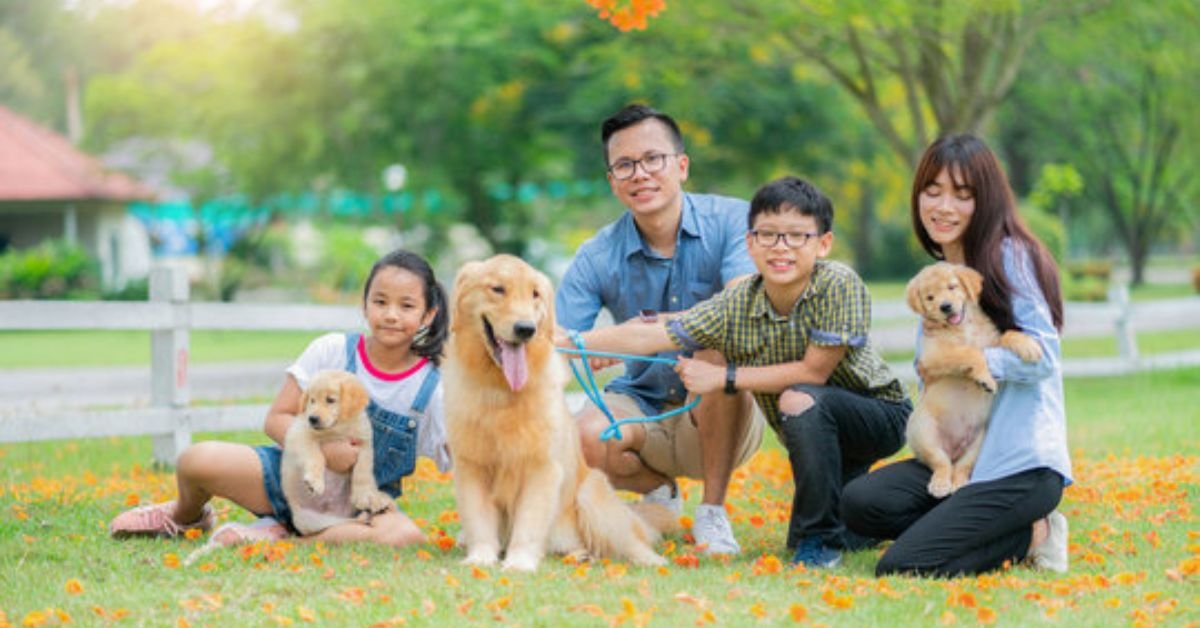
A nice family dog can bring love, fun, and companionship into your home. The right dog should match your family’s lifestyle, space, activity level, and experience. Every breed has different needs, so choosing a dog requires some thought.
Imagine coming home to a dog that greets your family with a wagging tail. A good family dog can become a loyal friend for both children and adults. However, the most friendly dog may not suit every home.
This guide explores what makes a dog a good family companion. It covers temperament, exercise needs, grooming, training, and care. These factors can help you find a dog that fits your family and daily routine.
What Makes a Nice Family Dog?
A nice family dog should have a friendly and gentle nature. The dog should enjoy spending time with people and respond well to basic training. A calm temperament can also help the dog feel comfortable around children and guests. However, each dog has its own personality, so families should consider the individual dog as well as its breed.
A good family dog should also match your daily routine. Some dogs need long walks and active play, while others prefer a calmer lifestyle. Families should also consider the dog’s size, grooming needs, energy level, and training needs. When these needs match your home, the dog can become a happy and trusted family companion.
Best Small Dogs for Families

Small dogs can make great family companions when their personality and needs match your home. Breeds such as Cavalier King Charles Spaniels, Beagles, and Havanese often enjoy human company and family activities. Their smaller size can also work well in homes with limited space. Families should still provide proper training, exercise, and supervision around young children.
When choosing a small family dog, look at more than size. Consider energy levels, temperament, grooming, and training needs. Some small breeds need plenty of daily activity, while others prefer a relaxed routine. Look for traits such as:
- Friendly and social behavior
- A manageable energy level
- Good response to training
- Comfortable behavior around children
- Grooming needs that fit your routine
Cavalier King Charles Spaniel
The Cavalier King Charles Spaniel has a gentle and affectionate nature. This breed often enjoys staying close to its family and joining daily activities. Cavaliers usually respond well to positive training and can suit families that want a loving companion. They still need regular walks, playtime, grooming, and attention.
Families should also teach children to handle this small dog gently. Keep these needs in mind:
- Daily walks and play
- Regular coat brushing
- Positive training
- Gentle handling around children
Beagle
Beagles have friendly and playful personalities. They often enjoy spending time with their families and exploring their surroundings. Their strong sense of smell can make walks more interesting, but it can also distract them during training. Beagles need regular exercise and mental stimulation.
A family should give a Beagle enough activity to prevent boredom. Important needs include:
- Daily walks and active play
- Consistent training
- Mental games and enrichment
- Safe outdoor time
Pug
Pugs have affectionate and social personalities. They often form strong bonds with their owners and enjoy relaxing with the family. Their small size can work well in many homes. However, families should avoid intense exercise and excessive heat because Pugs can have difficulty breathing.
Pugs also need regular grooming because they shed and their facial folds need proper care. Families should provide:
- Short, gentle exercise
- Regular grooming
- Weight management
- Supervision around young children
Best Medium Dogs for Families
Medium-sized dogs can suit families that want a balance between size and activity. Breeds such as the Labrador Retriever, Cocker Spaniel, and English Springer Spaniel can make friendly family companions. Many medium dogs enjoy walks, playtime, and time with their owners. Their size also gives them enough energy for active family life without taking up as much space as larger breeds.
Before choosing a medium family dog, consider the dog’s daily needs and personality. Some breeds need more exercise and training than others. Families should also look at:
- Friendly and social behavior
- Energy and exercise needs
- Trainability and temperament
- Comfort around children
- Grooming and general care
Labrador Retriever
Labrador Retrievers have friendly and outgoing personalities. They often enjoy spending time with their families and joining outdoor activities. Labs usually respond well to training and need regular exercise. They can suit active families that can provide daily walks, play, and attention.
Families should also give a Labrador enough mental stimulation. Keep these needs in mind:
- Daily walks and active play
- Consistent training
- Plenty of family interaction
- Regular grooming and brushing
Cocker Spaniel
Cocker Spaniels have affectionate and cheerful personalities. They often enjoy playing with family members and staying close to their owners. Their moderate size can work well for many homes. They need regular exercise, training, and coat care.
Families should handle their long ears and coat carefully. Important needs include:
- Daily walks and playtime
- Regular coat brushing
- Ear cleaning and care
- Positive and consistent training
Australian Shepherd
Australian Shepherds are intelligent, active, and eager to learn. They often form strong bonds with their families and enjoy having a job to do. This breed needs plenty of physical activity and mental stimulation. An active family can give an Australian Shepherd the exercise and engagement it needs.
Training and socialization can help channel its energy in a positive way. Families should provide:
- Long walks and active games
- Mental puzzles and training
- Early socialization
- Daily interaction and activities
Best Large Dogs for Families
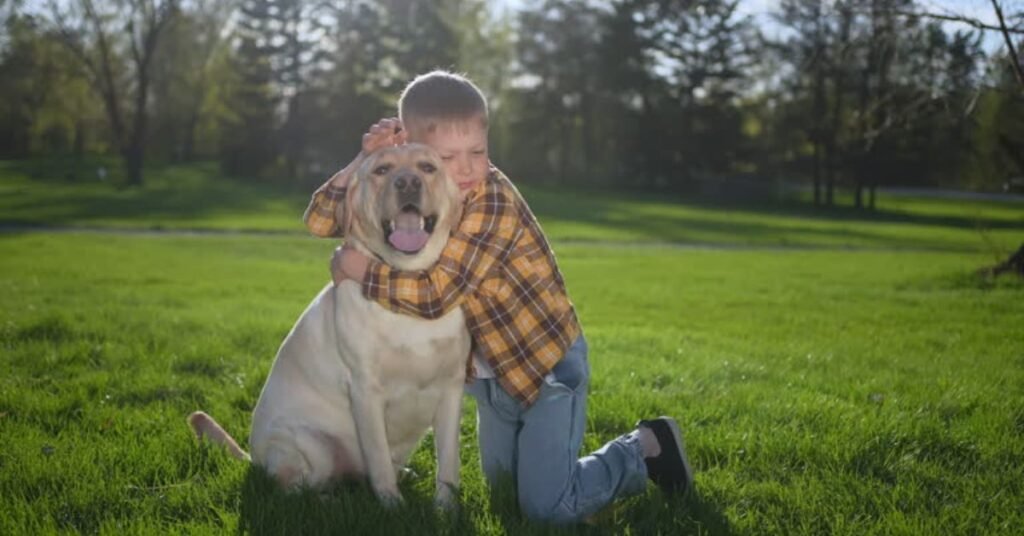
Large dogs can make loving and loyal family companions. They often enjoy spending time with people and taking part in family activities. Families should consider space, exercise needs, training, and daily care before choosing a large breed. A well-trained dog can fit into family life and build a strong bond with everyone.
Golden Retriever
Golden Retrievers have friendly and social personalities. They often enjoy playtime, walks, and family activities. Their trainable nature can make them a good choice for families that want an active companion.
German Shepherd
German Shepherds are intelligent, loyal, and protective dogs. They need regular exercise, training, and mental stimulation. Early socialization can help them develop good manners around children, guests, and other pets.
Newfoundland
Newfoundlands have a gentle and calm nature. They can form strong bonds with their families and often enjoy relaxed time with their owners. Their large size means families need enough space and should keep up with regular grooming.
Families should consider these points before choosing a large dog:
- Available space at home
- Daily exercise and activity needs
- Training and socialization
- Grooming and shedding
- Supervision around young children
Read more for info: https://thepawtips.com/jack-russell-chihuahua-mix/
How to Choose a Nice Family Dog
Start by looking at your family’s daily routine. Consider your home size, activity level, and available time for care. Think about whether you want a small, medium, or large dog. You should also check the dog’s energy level, grooming needs, training needs, and behavior around children. These factors can help you find a dog that fits your lifestyle.
Spend time with a dog before you make a decision. Watch how the dog reacts to people, children, and other animals. Ask the breeder or shelter about the dog’s history and daily needs. A good match should fit your family’s routine and allow you to provide proper exercise, training, attention, and care.
How to Raise a Family-Friendly Dog
Start training your dog early with simple commands and clear rules. Use rewards and praise when your dog behaves well. Introduce your dog to different people, places, sounds, and other animals in a calm way. Early socialization can help your dog become more comfortable in different situations. Keep training sessions short and consistent.
Teach children how to interact with the dog safely. Show them how to respect the dog’s space, food, toys, and rest time. Always supervise young children when they spend time with the dog. Give your dog regular exercise, playtime, mental stimulation, and quiet time. A balanced routine can help your dog stay happy and develop good family manners.
Is a Family Dog Right for Your Home?
A family dog can bring companionship, fun, and affection to your home. However, every family has different needs. Think about your daily schedule, living space, budget, and time for walks, training, grooming, and care. You should also consider the ages of your children and how they interact with animals.
A dog needs daily attention and long-term commitment. Make sure your family can provide fresh water, healthy food, exercise, training, veterinary care, and a safe place to rest. If everyone understands these responsibilities, a family dog can become a valued part of your home.
Summary
Finding a nice family dog takes time and careful thought. The right dog should match your family’s lifestyle, home, and daily routine. Consider the dog’s size, temperament, energy level, grooming needs, and training needs before making a choice.
A family dog needs love, care, exercise, and attention every day. Teach your dog good manners and give children clear rules for safe interaction. With patience and proper care, a well-matched dog can become a loving and trusted part of your family.
FAQs
1. What makes a nice family dog?
A nice family dog usually has a friendly temperament and enjoys spending time with people. Training and socialization also help a dog behave well at home.
2. What is the best family dog for children?
Golden Retrievers, Labrador Retrievers, and Newfoundlands can make good family companions. Each dog still needs proper training and supervision around children.
3. Are small dogs good for families?
Yes, many small dogs can fit well into family homes. Families should consider each breed’s energy level, temperament, and exercise needs.
4. How do you train a family-friendly dog?
Use simple commands, rewards, and consistent rules. Introduce your dog to different people, places, and situations from an early age.
5. What should families consider before getting a dog?
Families should consider their time, living space, budget, exercise routine, grooming needs, and ability to provide long-term care.