

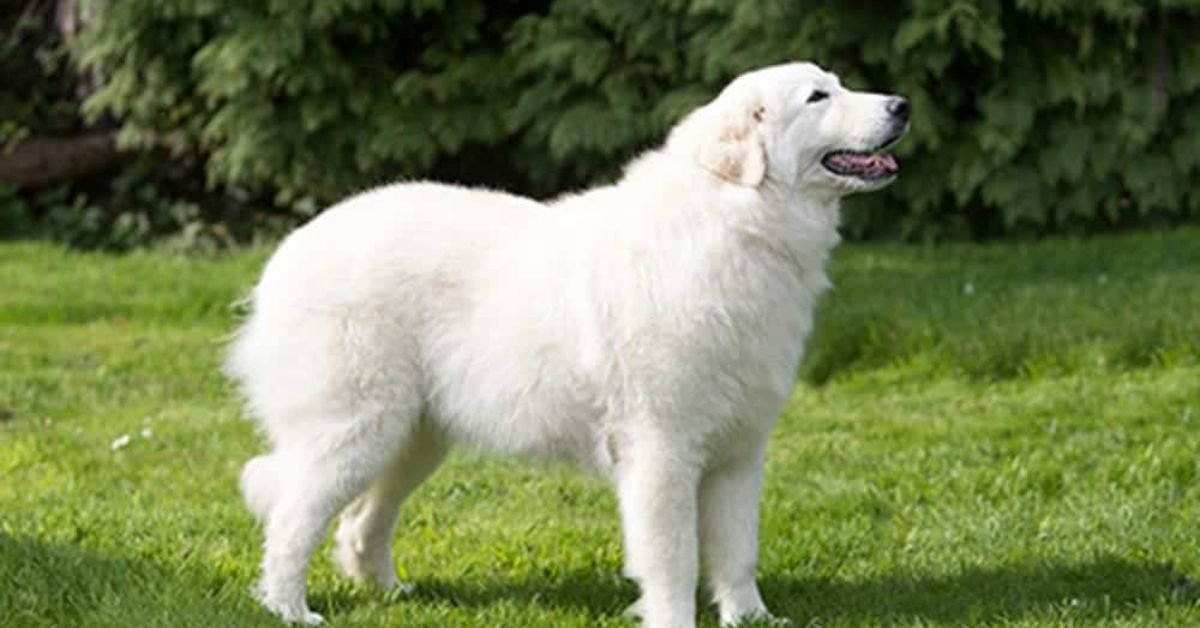
The Maremma Sheepdog is a large livestock guardian dog from Italy. People originally bred this strong and independent breed to protect sheep and other farm animals. It has a thick white coat, a sturdy body, and a calm but watchful nature. The breed can form a strong bond with its family and the animals it protects.
Looking for a loyal dog with strong protective instincts? The Maremma Sheepdog can be an interesting choice. However, this breed needs space, training, socialization, and regular care. Its independent nature also requires a patient owner who understands working dogs.
In this guide, we cover the Maremma Sheepdog’s appearance, temperament, exercise, training, grooming, feeding, and health needs. You will also learn what to consider before bringing this breed into your home.
What Are Maremma Sheepdog Dogs?
Maremma Sheepdogs are large livestock guardian dogs from Italy. Farmers developed them to protect sheep and other animals from predators. These dogs have strong bodies and thick white coats. They often stay alert and watch their surroundings carefully. Their working background gives them a confident and independent nature.
Maremma Sheepdogs can form close bonds with their families and the animals they guard. They often prefer having a job or purpose. They need early socialization and consistent training. So, they also need enough space to move and explore. Their independent nature makes them different from dogs that constantly seek direction from their owners.
What Were Maremma Sheepdogs Bred For?
People bred Maremma Sheepdogs to protect livestock, especially sheep and goats. Farmers used these dogs as guardians rather than herding dogs. They stayed close to the animals and watched for predators. Their size, courage, alertness, and protective instincts helped them guard flocks in open areas.
Maremma Sheepdogs often worked independently and made decisions without constant human direction. They learned to notice unusual sounds and movements around the flock. Their thick coat also helped them handle different outdoor conditions. Today, many Maremmas still work as livestock guardians, while others live as family dogs with owners who understand their working nature.
Maremma Sheepdog Breed Characteristics
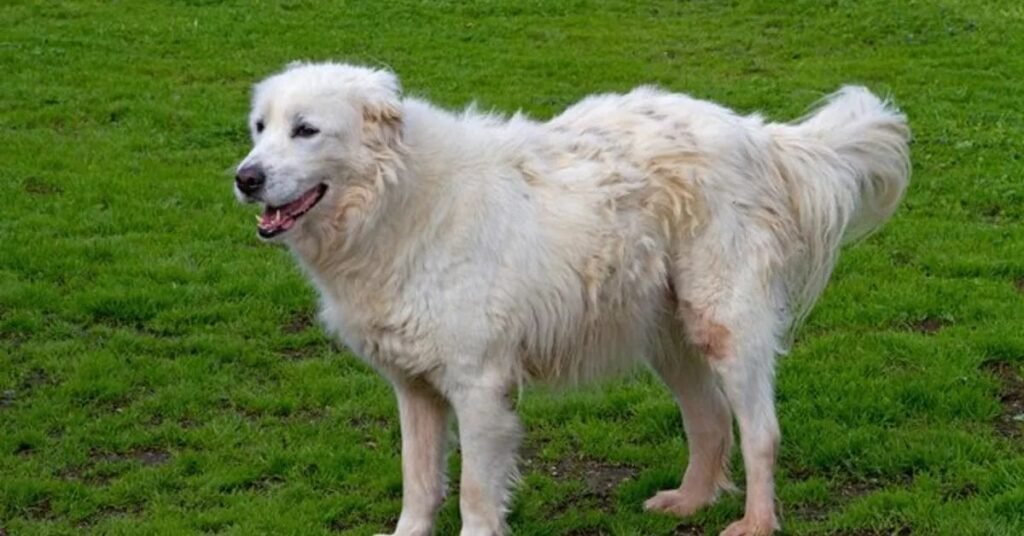
Maremma Sheepdogs have a strong and sturdy build. They have a thick white coat that helps protect them from changing outdoor conditions. Their alert eyes and large frame give them a confident appearance. They can also show an independent and watchful nature. These traits reflect their history as livestock guardian dogs.
The breed can vary slightly in size and appearance. However, most Maremma Sheepdogs share several common features. The table below gives a quick overview of their main characteristics.
| Characteristic | Description |
| Breed Type | Livestock guardian dog |
| Origin | Italy |
| Size | Large |
| Build | Strong, sturdy, and athletic |
| Coat | Thick, dense, and usually white |
| Coat Length | Medium to long |
| Temperament | Alert, independent, loyal, and protective |
| Energy Level | Moderate to high |
| Trainability | Intelligent but independent |
| Exercise Needs | Regular daily activity |
| Grooming Needs | Moderate to high |
| Working Instinct | Strong livestock protection instinct |
| Socialization | Needs early and consistent socialization |
| Living Space | Does best with plenty of room |
| Common Role | Livestock guardian and working dog |
| Family Bond | Can form strong bonds with its family |
Maremma Sheepdog Appearance and Size
Maremma Sheepdogs have a large and powerful build. They have a thick, white coat that gives them a distinctive look. Their coats can feel dense and slightly wavy. They have a broad head, dark eyes, and a strong muzzle. Their ears sit high on the head and usually hang down. Their body looks sturdy and balanced, which supports their work as livestock guardians.
Adult Maremma Sheepdogs can reach a substantial size. Males usually grow larger than females. Their size can vary based on genetics, sex, and overall development. Despite their large frame, they can move steadily and confidently. Their thick coat can also make them appear even bigger than they actually are.
Coat, Color, and Grooming
Maremma Sheepdogs have a thick, dense double coat. Their coat usually stays white, although some dogs may show light cream or pale markings. The outer coat helps protect them from weather and dirt. The dense undercoat provides extra warmth. Their coat can shed heavily during seasonal changes, so regular grooming helps manage loose hair.
Grooming takes time because of the breed’s thick coat. Brush your Maremma several times a week and brush more often during heavy shedding. Focus on areas that can develop mats. You should also check the ears, trim the nails, and maintain regular dental care.
- Coat: Thick, dense, and weather-resistant.
- Color: Mainly white, with possible light shading.
- Brushing: Several times a week.
- Bathing: Only when needed or when your veterinarian recommends it.
- Nail care: Trim regularly to prevent overgrowth.
Maremma Sheepdog Temperament and Personality
Maremma Sheepdogs are calm, loyal, and protective dogs. They form strong bonds with their family. They also stay alert and watch their surroundings closely. These dogs often act independently and do not need constant attention. Their guardian nature can make them cautious around strangers. Early socialization helps them feel more comfortable with new people, animals, and places.
Maremma Sheepdogs can be gentle and patient with their family when you raise them well. They may make their own decisions instead of waiting for commands. This trait can make training challenging for new owners. Use calm and consistent training from an early age. Give them enough space, daily activity, and a clear routine. With proper care and guidance, they can become dependable and devoted family companions.
Exercise and Training Needs
Maremma Sheepdogs need regular exercise to stay healthy and relaxed. Daily walks, outdoor play, and safe activities can help use their energy. They also enjoy having space to move and explore. Avoid relying only on short walks. Give them mental activities too. Puzzle toys, basic obedience games, and supervised outdoor time can keep their minds busy. A consistent routine can also help reduce boredom and unwanted behavior.
Training a Maremma Sheepdog requires patience and consistency. These dogs are intelligent but naturally independent. They may not follow a command simply because you ask. Start training when they are young and use positive methods. Reward good behavior with praise or treats. Early socialization also helps them become more comfortable around people, pets, and new environments.
Read more for info: https://thepawtips.com/mixed-lab-and-pitbull/
| Exercise or Training Area | What Your Maremma Sheepdog Needs | Helpful Tips |
| Daily walks | Regular walks at a steady pace | Use a secure leash and vary the route |
| Outdoor activity | Safe space to walk, explore, and move | Supervise outdoor time and secure the area |
| Playtime | Simple games that encourage movement | Try fetch, gentle games, or interactive toys |
| Mental stimulation | Activities that make your dog think | Use puzzle toys and simple training games |
| Obedience training | Basic commands and household rules | Keep sessions short and consistent |
| Socialization | Positive exposure to people, dogs, and places | Start early and introduce new experiences slowly |
| Recall training | Learning to return when called | Practice in a secure area before trying off-leash work |
| Leash training | Calm walking without constant pulling | Reward relaxed behavior during walks |
| Positive reinforcement | Rewards for good behavior | Use praise, treats, or play as motivation |
| Training routine | Regular practice throughout the week | Keep commands clear and sessions predictable |
| Independent behavior | Guidance without harsh control | Stay patient and avoid forceful training |
| Puppy training | Early lessons and social experiences | Begin with simple commands and gentle handling |
Feeding and Grooming a Maremma Sheepdog
A Maremma Sheepdog needs a balanced diet that matches its age, size, and activity level. Choose a good-quality dog food with the right mix of protein, fats, vitamins, and minerals. Give meals in suitable portions and avoid overfeeding. Fresh water should always be available. Puppies may need a different feeding routine than adult dogs. Ask your vet if you are unsure about food choices or portion sizes.
Maremma Sheepdogs have a thick double coat that needs regular care. Brush the coat several times a week to remove loose hair, dirt, and tangles. Increase brushing during heavy shedding periods. Check the ears regularly and keep them clean and dry. Trim the nails when needed. Regular tooth brushing can also support good dental hygiene. Bathe your dog when necessary, but avoid bathing too often because it can dry the skin.
Maremma Sheepdog Health and Lifespan
Maremma Sheepdogs can live healthy lives when they receive proper care. A balanced diet, regular exercise, and routine vet visits can support their overall health. Like other large breeds, they can face certain health problems as they age. Watch for changes in appetite, energy, movement, or behavior. Regular checkups can help you spot problems early and keep your dog in good condition.
A healthy lifestyle can also support a good quality of life. Keep your Maremma Sheepdog at a healthy weight and provide regular but safe exercise. Give them fresh water and nutritious food every day. Keep up with vaccinations, parasite prevention, dental care, and other routine veterinary needs. With good care and attention, your Maremma Sheepdog can enjoy many active and happy years with your family.
Is a Maremma Sheepdog Right for You?
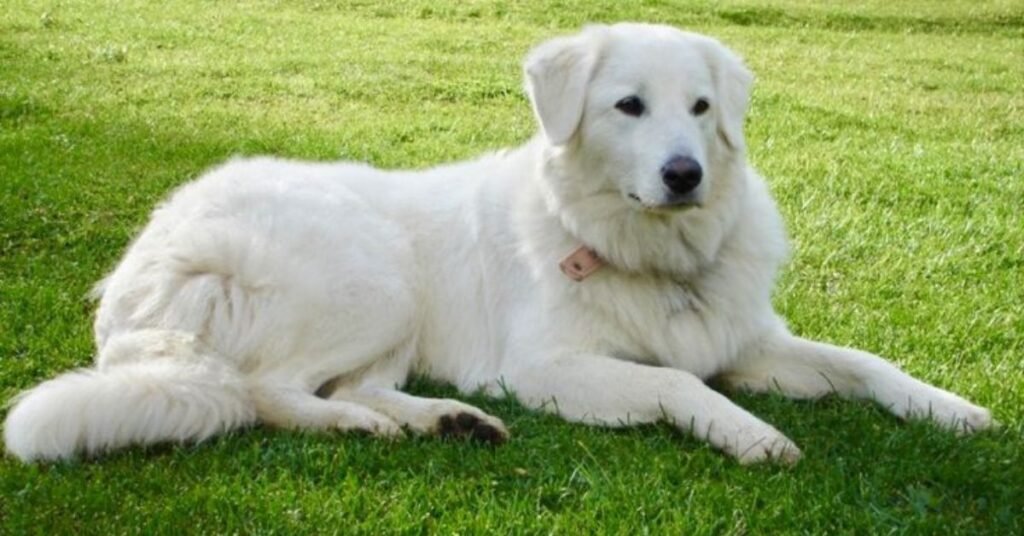
A Maremma Sheepdog can suit an owner who understands large guardian breeds. This dog needs space, daily activity, and regular training. It also needs early socialization and clear boundaries. Its independent nature may challenge first-time dog owners. A secure yard can give it room to move and watch its surroundings. Apartment living may not provide enough space or the right environment for this breed.
Think about your time, space, and experience before getting one. You should feel comfortable caring for a large dog with strong protective instincts. You also need to commit to regular grooming and exercise. If you want a calm, loyal, and independent companion and can meet its needs, a Maremma Sheepdog may fit your lifestyle well.
Pros and Potential Challenges
Maremma Sheepdogs have many qualities that make them loyal companions. They are protective, devoted, and naturally alert. They often form strong bonds with their families. Their calm nature can make them pleasant around people they trust. They also have a strong work ethic and can do well in homes that give them enough space and purpose.
However, this breed also has some challenges. Maremma Sheepdogs can act independently and may not always follow commands quickly. Their protective nature can make early socialization important. Their thick coat also needs regular brushing, especially during shedding periods. They need daily exercise and enough space to move around. Owners should understand these needs before bringing one home.
What to Consider Before Getting One
Think about your home and daily routine before getting a Maremma Sheepdog. This large breed needs enough space to move and explore. A secure yard can help meet this need. You should also have enough time for daily exercise, training, and socialization. Its thick coat needs regular brushing too. Make sure you can provide good food, routine vet care, and plenty of fresh water.
You should also understand its independent and protective nature. A Maremma Sheepdog may need more patience during training than some other breeds. Start socialization early and use calm, positive training methods. Consider how the dog will fit around children, other pets, visitors, and your neighbors. Choose this breed only if you can meet its physical, mental, and social needs for many years.
Final Thoughts
Maremma Sheepdogs are loyal, protective, and independent dogs. They have a strong guardian instinct and form close bonds with their families. They need regular exercise, training, socialization, and grooming. Their large size and independent nature also require a committed owner.
With proper care, a Maremma Sheepdog can become a devoted and dependable companion. Give your dog enough space, good food, regular vet care, and daily attention. Take time to understand the breed before bringing one home. The right care can help your Maremma Sheepdog live a happy and active life.
FAQs
1. Are Maremma Sheepdogs good family dogs?
Yes, Maremma Sheepdogs can be loyal and devoted family dogs. They do best with proper training, socialization, space, and daily activity.
2. Are Maremma Sheepdogs easy to train?
They are intelligent but independent. Consistent, patient, and positive training works best.
3. Do Maremma Sheepdogs need a lot of exercise?
Yes, they need regular daily exercise and space to move. Outdoor activities can help keep them healthy and mentally active.
4. Do Maremma Sheepdogs shed a lot?
Yes, their thick double coat sheds regularly and more heavily during seasonal shedding periods. Regular brushing helps manage loose hair.
5. Are Maremma Sheepdogs good for first-time owners?
They can be challenging for first-time owners because of their size, independence, and protective nature. Owners should understand their training and socialization needs.