

Introduction
Grain free dog food has become one of the most talked-about topics in pet nutrition.
Many dog owners choose grain free diets because they believe these foods are healthier, easier to digest, or better for dogs with allergies. At the same time, veterinarians and nutrition experts continue to study the benefits and potential concerns associated with grain free feeding.
The truth is that grain free dog food can be beneficial for some dogs, but it is not automatically the best option for every pet.
Understanding the ingredients, nutritional value, advantages, and possible risks can help you make a smarter decision for your dog.
This guide explains everything you need to know about grain free dog food, from how it works to when it makes sense and when it may not.
Table of Contents
- What Is Grain Free Dog Food?
- How Grain Free Dog Food Works
- Benefits of Grain Free Dog Food
- Potential Risks and Concerns
- Ingredients Commonly Found in Grain Free Diets
- How to Choose the Best Grain Free Dog Food
- Grain Free vs Grain-Inclusive Dog Food
- Dogs That May Benefit Most
- Common Mistakes Owners Make
- Latest Trends in Grain Free Nutrition
- Key Takeaways
- Conclusion
- FAQs
What Is Grain Free Dog Food?
Grain free dog food refers to dog food formulas that do not contain traditional grains.
Manufacturers remove ingredients such as:
- Wheat
- Corn
- Rice
- Barley
- Oats
- Rye
Instead, they use alternative carbohydrate sources like:
- Sweet potatoes
- Lentils
- Peas
- Chickpeas
- Potatoes
- Tapioca
Many people confuse grain free dog food with low-carb dog food, but they are not the same thing.
A grain free formula may still contain significant amounts of carbohydrates from non-grain ingredients.
If you want to compare different feeding approaches, our guide to low-carb dog food options provides additional insights.
How Grain Free Dog Food Works
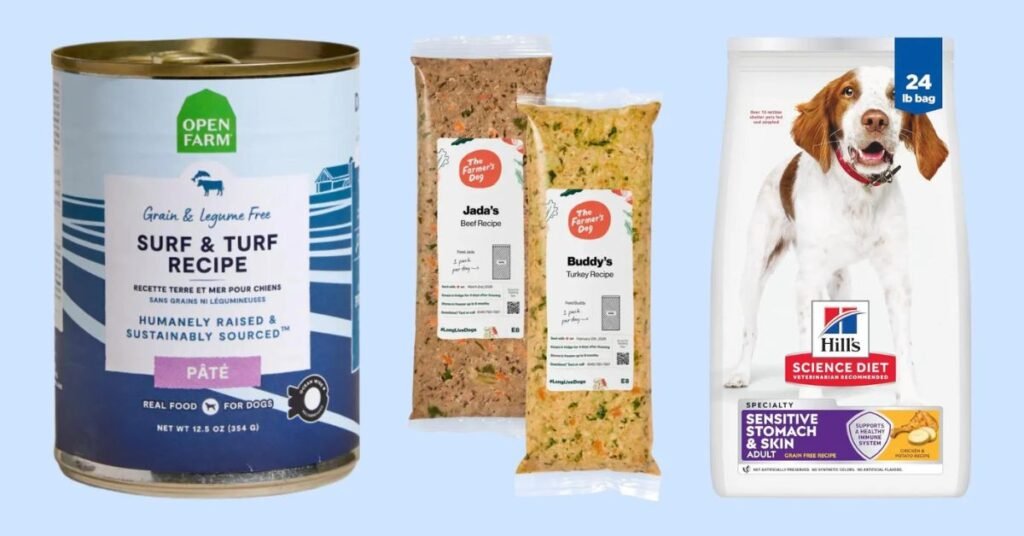
Dogs require protein, fats, vitamins, minerals, and carbohydrates for energy and overall health.
Traditional dog foods often use grains as carbohydrate sources.
Grain free dog food replaces those ingredients while maintaining similar calorie and nutrient levels.
Common Alternative Ingredients
Legume-Based Ingredients
- Peas
- Lentils
- Chickpeas
- Beans
These ingredients provide carbohydrates, fiber, and plant-based protein.
Root Vegetables
- Sweet potatoes
- Potatoes
- Tapioca
These ingredients often improve digestibility and energy availability.
Animal-Based Proteins
- Chicken
- Beef
- Turkey
- Salmon
- Lamb
Quality grain free diets usually emphasize animal protein as a primary ingredient.
A balanced formula should meet nutritional standards established by organizations such as the Association of American Feed Control Officials (AAFCO):https://www.aafco.org
Benefits of Grain Free Dog Food
Some dogs thrive on grain free diets.
However, the benefits depend on the individual dog rather than the marketing label.
Potential Advantages
Food Sensitivity Management
Some dogs react poorly to specific ingredients.
Although true grain allergies are relatively uncommon, removing problematic ingredients may help reduce symptoms.
Possible improvements include:
- Reduced itching
- Better digestion
- Improved stool quality
- Less skin irritation
Dogs with recurring skin issues may also benefit from regular monitoring of related symptoms. Owners dealing with irritation can learn more about common causes of dogs shaking their heads here.
Improved Digestive Comfort
Certain dogs digest alternative carbohydrate sources more easily.
Owners sometimes report:
- Less gas
- Firmer stools
- Improved appetite
Higher Protein Formulas
Many premium grain free products contain substantial animal protein.
Active dogs often benefit from protein-rich diets that support muscle maintenance and energy levels.
Real-World Example
A highly active Border Collie participating in agility competitions may perform well on a nutrient-dense grain free diet that emphasizes animal protein and digestible carbohydrate sources.
However, another healthy dog may perform equally well on a grain-inclusive formula.
Potential Risks and Concerns
Grain free dog food has received increased attention from veterinarians and researchers.
The topic remains under ongoing investigation.
The U.S. Food and Drug Administration (FDA) has examined reports involving certain grain free diets and cases of canine dilated cardiomyopathy (DCM). More information is available through the official FDA Center for Veterinary Medicine:https://www.fda.gov/animal-veterinary
This does not mean all grain free foods are unsafe.
However, dog owners should understand the discussion before making dietary changes.
Potential Concerns
- Nutritional imbalance in poorly formulated diets
- Excessive reliance on legumes
- Misdiagnosing food allergies
- Choosing food based only on marketing claims
Important Expert Insight
Most food allergies in dogs involve protein sources rather than grains.
Common triggers include:
- Beef
- Chicken
- Dairy
- Eggs
Because of this, removing grains does not automatically solve allergy-related problems.
Owners should work with a veterinarian when evaluating food sensitivities.
Ingredients Commonly Found in Grain Free Diets
Reading ingredient labels helps owners make informed decisions.
Frequently Used Ingredients
| Ingredient | Purpose |
| Chicken | Protein source |
| Salmon | Protein and omega-3 fats |
| Lamb | Alternative protein |
| Sweet Potato | Digestible carbohydrate |
| Peas | Fiber and carbohydrates |
| Lentils | Plant protein and fiber |
| Chickpeas | Energy and nutrients |
| Flaxseed | Healthy fats |
Ingredients Worth Evaluating Carefully
- Unspecified meat meals
- Artificial preservatives
- Excessive fillers
- Artificial colors
The ingredient list should clearly identify protein sources and nutrient content.
Dogs experiencing digestive upset after dietary changes may show symptoms similar to those discussed in this article about dog diarrhea causes and care.
Read more for info: https://thepawtips.com/dog-the-bordeaux/
How to Choose the Best Grain Free Dog Food
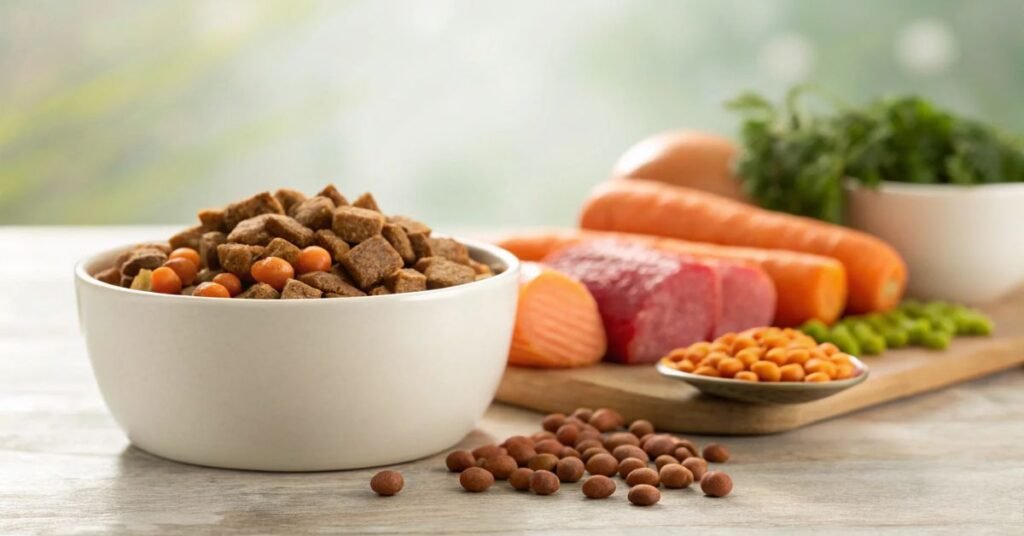
Not all grain free products offer the same quality.
A careful evaluation can help avoid common mistakes.
Key Factors to Consider
Ingredient Quality
Look for:
- Named animal proteins
- Whole-food ingredients
- Balanced nutrient profiles
Avoid products that rely heavily on fillers.
Life Stage Requirements
Choose formulas designed for:
- Puppies
- Adults
- Seniors
Nutritional needs change throughout a dog’s life.
Veterinary Guidance
Dogs with health conditions often need individualized feeding recommendations.
Professional guidance becomes especially important for:
- Heart conditions
- Kidney disease
- Food allergies
- Weight management
Best Practices
- Transition food gradually.
- Monitor energy levels.
- Observe stool quality.
- Watch for skin changes.
- Schedule regular veterinary checkups.
Grain Free vs Grain-Inclusive Dog Food
Many owners wonder whether grain free food is truly better.
The answer depends on the individual dog.
Comparison Table
| Feature | Grain Free Dog Food | Grain-Inclusive Dog Food |
| Contains Wheat or Corn | No | Often |
| Uses Alternative Carbs | Yes | Sometimes |
| Suitable for Some Sensitivities | Yes | Depends |
| Usually Higher Cost | Yes | Often Lower |
| Appropriate for All Dogs | Not Always | Not Always |
Neither category automatically guarantees superior nutrition.
The overall formulation matters more than the presence or absence of grains.
Dogs That May Benefit Most
Certain dogs may respond positively to grain free diets.
Examples include:
- Dogs with diagnosed grain sensitivities
- Dogs requiring specific elimination diets
- Some dogs with digestive concerns
- Dogs needing alternative carbohydrate sources
Dogs That May Not Need Grain Free Food
Many healthy dogs digest grains without problems.
Examples include:
- Active adult dogs
- Healthy puppies
- Dogs with no dietary sensitivities
- Dogs thriving on balanced grain-inclusive diets
Owners should evaluate their dog’s health rather than follow feeding trends alone.
Common Mistakes Owners Make
Many pet owners choose grain free food for the wrong reasons.
Frequent Mistakes
- Assuming grain free automatically means healthier
- Ignoring ingredient quality
- Switching foods too quickly
- Following internet trends without research
- Overlooking veterinary advice
Troubleshooting Feeding Problems
If your dog develops digestive issues after switching foods:
- Slow the transition process.
- Check portion sizes.
- Review ingredient lists.
- Monitor symptoms closely.
- Contact your veterinarian if symptoms persist.
Pet owners who enjoy outdoor adventures should also consider overall wellness, including paw protection. For active dogs, this guide about dog socks for outdoor surfaces offers useful information.
Latest Trends in Grain Free Nutrition
Pet nutrition continues to evolve rapidly.
Several trends influence grain free dog food today.
Current Industry Developments
- Personalized nutrition plans
- DNA-based dietary recommendations
- Fresh food subscriptions
- Limited ingredient diets
- Functional nutrition formulas
Emerging Innovations
- Advanced gut health research
- Precision feeding programs
- Improved ingredient transparency
- Sustainable protein sources
Manufacturers increasingly focus on complete nutritional balance rather than simply removing grains.
This shift helps owners make more informed decisions based on science rather than marketing.
For highly active dogs participating in travel or outdoor activities, safe transportation and overall wellness remain important considerations. Owners can explore practical solutions through this guide on dog travel safety equipment.
Key Takeaways
- Grain free dog food excludes common grains such as wheat, corn, rice, and barley.
- Alternative carbohydrate sources often include peas, lentils, and sweet potatoes.
- Some dogs benefit from grain free diets, but many healthy dogs do not require them.
- Food allergies often involve proteins rather than grains.
- Ingredient quality matters more than marketing claims.
- Veterinary guidance helps determine the best diet for individual dogs.
- Grain free does not automatically mean healthier.
- Balanced nutrition should remain the top priority.
Conclusion
Grain free dog food can be an excellent option for some dogs, especially those with specific dietary sensitivities or unique nutritional needs. However, it is not a universal solution and does not automatically provide better nutrition than grain-inclusive food.
The best approach involves evaluating your dog’s health, activity level, age, and veterinary recommendations. Rather than focusing solely on whether a food contains grains, pay attention to ingredient quality, nutritional balance, and overall performance.
A well-formulated diet that meets your dog’s individual needs will always matter more than any nutrition trend.
FAQ
What is grain free dog food?
Grain free dog food excludes grains such as wheat, corn, rice, barley, and oats.
Is grain free dog food better for all dogs?
No. Many healthy dogs digest grains without any problems.
Can grain free food help with allergies?
It may help some dogs, but most food allergies involve proteins rather than grains.
What replaces grains in grain free dog food?
Manufacturers often use peas, lentils, sweet potatoes, chickpeas, and potatoes.
Is grain free dog food safe?
Many grain free diets are safe, but nutritional quality varies between products.
Can puppies eat grain free dog food?
Yes, if the formula meets nutritional requirements for growing puppies.
Does grain free dog food contain carbohydrates?
Yes. Most formulas use non-grain carbohydrate sources.
Should I switch my dog to grain free food?
No. Gradual transitions help prevent digestive upset.