


Overview
The DHPP vaccine for dogs is a core vaccine that protects against four serious diseases. These diseases include distemper, hepatitis, parvovirus, and parainfluenza. Veterinarians recommend this vaccine for most dogs because it helps prevent dangerous infections. It plays an important role in keeping dogs healthy throughout their lives.
Many dog owners hear about the DHPP vaccine but do not fully understand what it does. Missing vaccinations can leave dogs vulnerable to illnesses that spread quickly and may cause severe health problems. Knowing how the DHPP vaccine works can help you make informed decisions about your dog’s care.
The DHPP vaccine is usually given in a series of shots during puppyhood, followed by booster vaccinations later in life. Understanding the vaccination schedule, benefits, and possible side effects can help you keep your dog protected and healthy for years to come.
What Is the DHPP Vaccine for Dogs?
The DHPP vaccine for dogs protects against four common and serious diseases. The name DHPP comes from the diseases it helps prevent: distemper, hepatitis, parvovirus, and parainfluenza. Veterinarians commonly recommend this vaccine for puppies and adult dogs. It helps the immune system recognize and fight these infections.
Puppies usually receive DHPP vaccines as a series of shots during their early months. Adult dogs may also need booster doses to maintain protection. Your veterinarian can create a vaccination plan based on your dog’s age, health, lifestyle, and local disease risks. Keeping your dog’s vaccines up to date can help reduce the risk of serious illness.
Diseases Covered by the DHPP Vaccine
The DHPP vaccine helps protect dogs from four important diseases. These include canine distemper, canine adenovirus, canine parvovirus, and canine parainfluenza. These infections can cause serious health problems, especially in puppies and dogs with weak immunity. Vaccination helps the immune system prepare to fight these diseases.
Each disease can affect dogs in different ways. Distemper can affect the respiratory, digestive, and nervous systems. Adenovirus can cause liver disease and other serious symptoms. Parvovirus can cause severe vomiting and diarrhea. Parainfluenza can contribute to respiratory illness. Regular vaccination can lower the risk of these infections and help protect your dog.
Canine Distemper
Canine distemper is a serious viral disease that can affect a dog’s respiratory, digestive, and nervous systems. The virus spreads through contact with infected dogs and respiratory secretions. Puppies and unvaccinated dogs face a higher risk of severe illness.
The DHPP vaccine helps the immune system prepare to fight canine distemper. Vaccination can reduce the risk of this dangerous infection. Keeping your dog’s vaccines up to date supports better protection as your dog grows.
Canine Hepatitis and Adenovirus
Canine adenovirus type 1 causes infectious canine hepatitis. This disease can affect the liver and may cause fever, weakness, vomiting, and other serious symptoms. Dogs can spread the virus through contact with infected body fluids.
The DHPP vaccine uses protection against canine adenovirus type 2, which also provides protection against the disease caused by adenovirus type 1. Regular vaccination helps reduce the risk of serious adenovirus infections. Your veterinarian can recommend the appropriate vaccination schedule for your dog.
Parvovirus and Parainfluenza
Canine parvovirus can cause severe vomiting, diarrhea, dehydration, and weakness. The virus spreads easily and can survive in the environment for long periods. Puppies face a particularly high risk of severe disease, which makes vaccination an important part of preventive care.
Canine parainfluenza can contribute to respiratory illness in dogs. It can spread through respiratory droplets and close contact with infected dogs. The DHPP vaccine helps protect against both parvovirus and parainfluenza and supports your dog’s overall disease prevention plan.
DHPP Vaccine Schedule for Dogs

Veterinarians usually start the DHPP vaccine series when puppies reach about 6 to 8 weeks of age. Puppies often receive another dose every 2 to 4 weeks until they reach at least 16 weeks. This series helps build stronger protection as the puppy’s immune system develops. Your veterinarian may adjust the timing based on your puppy’s health and risk of exposure.
Adult dogs may need booster doses after the initial puppy series. The exact timing can vary by vaccine product, local guidelines, and your veterinarian’s recommendations. Keep a record of every vaccination and follow the schedule your veterinarian provides. This approach helps maintain protection as your dog grows.
Benefits of the DHPP Vaccine
The DHPP vaccine helps protect dogs from several serious and contagious diseases. It prepares the immune system to recognize and fight infections such as distemper, adenovirus, parvovirus, and parainfluenza. Vaccination can reduce the risk of severe illness and help protect puppies during an important stage of development.
The vaccine also supports broader disease prevention in the dog population. Vaccinated dogs have a lower risk of spreading certain infections to other dogs. However, no vaccine provides complete protection in every situation. Your veterinarian can recommend the right vaccination plan based on your dog’s age, health, lifestyle, and exposure risk.
| Benefit | How It Helps Your Dog |
| Protects against serious diseases | Helps the immune system respond to four important canine infections. |
| Supports puppy health | Helps protect puppies while their immune systems continue to develop. |
| Reduces disease risk | Lowers the chance of severe illness from the diseases covered by the vaccine. |
| Helps limit disease spread | Vaccination can reduce the spread of some contagious infections among dogs. |
| Supports long-term protection | Booster doses can help maintain immunity as your dog grows. |
| Helps with routine veterinary care | A vaccination record helps you and your veterinarian track your dog’s preventive care. |
Possible Side Effects of the DHPP Vaccine
Most dogs handle the DHPP vaccine well. Some dogs may show mild side effects after vaccination. These reactions often appear soon after the shot and usually improve within a short time. Your dog may feel tired or show mild soreness at the injection site.
Watch your dog closely after the vaccination. Contact your veterinarian if symptoms become severe, last longer than expected, or concern you. Seek urgent veterinary care if your dog develops signs of a serious allergic reaction.
Common mild side effects may include:
- Tiredness or lower activity
- Mild soreness at the injection site
- Slight swelling near the injection site
- Mild fever
- Reduced appetite for a short time
Signs that need prompt veterinary attention include:
- Difficulty breathing
- Severe facial or body swelling
- Repeated vomiting
- Collapse or extreme weakness
- Severe or rapidly worsening symptoms
How to Prepare Your Dog for a DHPP Vaccination
Before the DHPP vaccination, make sure your dog feels well and comfortable. Give your dog normal meals and fresh water unless your veterinarian gives different instructions. Check your dog’s vaccination records and bring them to the appointment. Tell your veterinarian about any recent illness, medication, or unusual behavior.
Keep your dog calm before the visit. Use a leash or secure carrier when you travel to the clinic. Avoid stressful activities before the appointment. Your veterinarian may also perform a health check before giving the vaccine. Follow their advice to help your dog have a safe and comfortable vaccination visit.
Read more for info: https://thepawtips.com/puppy-needle-schedule/
Is the DHPP Vaccine Right for Your Dog?
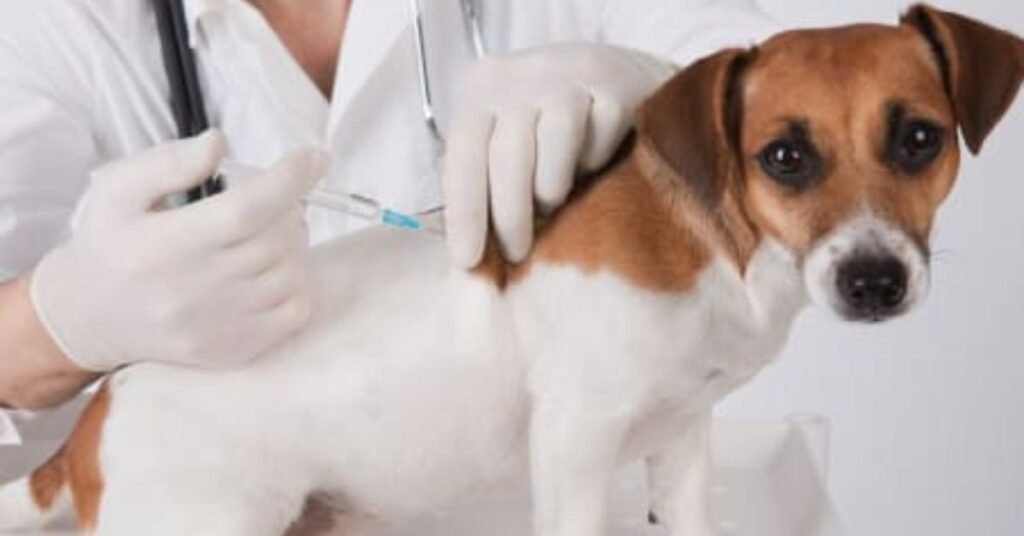
The DHPP vaccine protects dogs from several serious and contagious diseases. Veterinarians commonly recommend it for puppies and many adult dogs. Your dog’s age, health, lifestyle, and exposure to other dogs can affect the vaccination plan. Puppies often need a series of doses to build strong protection.
Talk with your veterinarian before your dog’s vaccination. They can review your dog’s health history and vaccination records. They can also explain the benefits, timing, and possible risks of the vaccine. Following a personalized vaccination plan can help protect your dog from preventable diseases.
Dogs That Need the DHPP Vaccine
Most puppies need the DHPP vaccine because they face a higher risk of serious infections while their immune systems develop. Adult dogs may also need DHPP vaccines or booster doses to maintain protection. Veterinarians consider the dog’s age, health, lifestyle, and vaccination history when they create a vaccine plan.
Dogs that spend time around other dogs may face greater exposure to contagious diseases. Boarding, daycare, training classes, and dog parks can increase contact with other animals. Your veterinarian can decide whether your dog needs DHPP and when to give each dose.
Questions to Ask Your Veterinarian
Ask your veterinarian about the right DHPP schedule for your dog. You can ask when your dog should receive the next dose and how often your dog needs booster shots. Also, ask about possible side effects and what signs require veterinary attention.
You can also discuss your dog’s lifestyle and health history. Tell your veterinarian about travel, boarding, daycare, or frequent contact with other dogs. These details can help your veterinarian create a vaccination plan that matches your dog’s needs.
Keeping Your Dog Protected With Regular Boosters
Regular booster shots help maintain your dog’s protection against serious diseases. Immunity can change over time, so your veterinarian may recommend boosters at specific intervals. Keep a record of every vaccine and mark your dog’s next appointment. This simple habit can help you stay on track with your dog’s preventive care.
Your dog’s booster needs may change with age, health, lifestyle, and local disease risks. Talk with your veterinarian before each vaccination visit. They can review your dog’s records and recommend the appropriate vaccines and timing. Regular checkups and timely boosters can help your dog stay protected throughout life.
Final Thoughts
The DHPP vaccine for dogs helps protect against several serious and contagious diseases. Puppies usually need a series of doses as they grow. Adult dogs may also need booster shots to maintain protection. A regular vaccination plan can reduce the risk of preventable infections.
Keep your dog’s vaccination records updated and follow your veterinarian’s advice. Watch your dog after each vaccination and report unusual reactions. Every dog has different needs, so your veterinarian can create a suitable vaccination plan. Good preventive care can help your dog stay healthy and active.
People also ask
1. What does the DHPP vaccine protect dogs from?
The DHPP vaccine helps protect dogs from distemper, adenovirus, parvovirus, and parainfluenza.
2. When should puppies get the DHPP vaccine?
Puppies usually start the DHPP vaccine series at 6 to 8 weeks of age and receive additional doses as they grow.
3. Do adult dogs need the DHPP vaccine?
Yes. Adult dogs may need booster doses to maintain protection. Your veterinarian can recommend the right schedule.
4. Can the DHPP vaccine cause side effects?
Some dogs may experience mild tiredness, soreness, slight swelling, or reduced appetite after vaccination.
5. Is the DHPP vaccine necessary for every dog?
Veterinarians commonly recommend DHPP as a core vaccine, but your dog’s specific schedule depends on factors such as age, health, and lifestyle.