

Introduction
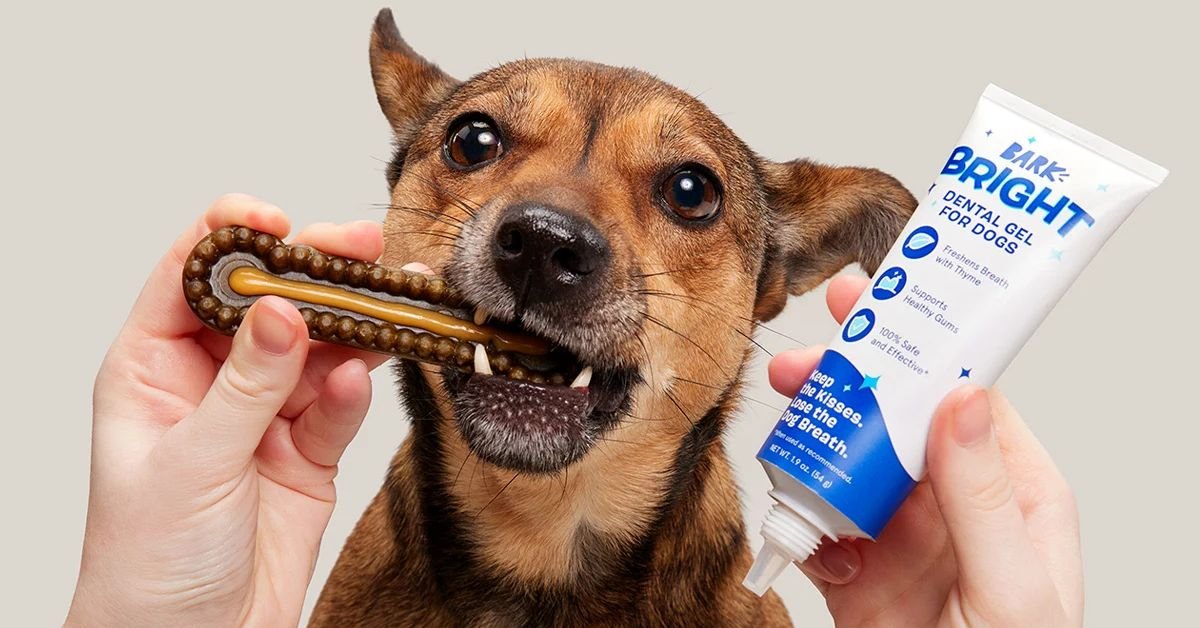
Dogs need regular dental care to stay healthy. Dog toothpaste helps remove plaque, freshen breath, and support healthy teeth and gums. Unlike human toothpaste, dog toothpaste uses ingredients that are safe for dogs to swallow. It comes in different flavors that make brushing easier and more enjoyable for pets.
Many dog owners focus on food, exercise, and grooming but forget about dental health. Poor oral care can lead to bad breath, gum disease, and tooth loss. Small dental problems can turn into bigger health issues over time. Regular brushing with dog toothpaste can help prevent these problems and keep your dog feeling comfortable.
This complete guide explains everything you need to know about dog toothpaste. You will learn how it works, how to choose the right product, and how to brush your dog’s teeth correctly. You will also discover helpful tips for building a simple dental care routine that supports your dog’s long-term health.
What Is Dog Toothpaste?
Dog toothpaste is a special toothpaste made for dogs. It helps clean their teeth and keep their gums healthy. Manufacturers use ingredients that are safe for dogs to swallow. This makes it different from human toothpaste, which can be harmful to dogs. Dog toothpaste also comes in pet-friendly flavors like chicken, beef, or peanut butter to make brushing easier.
Regular use of dog toothpaste helps remove plaque before it turns into tartar. It can reduce bad breath and support better oral health. Many veterinarians recommend brushing a dog’s teeth several times a week. When you combine dog toothpaste with a proper dental care routine, you can help protect your dog’s teeth and gums for many years.
Why Is Dog Toothpaste Important?
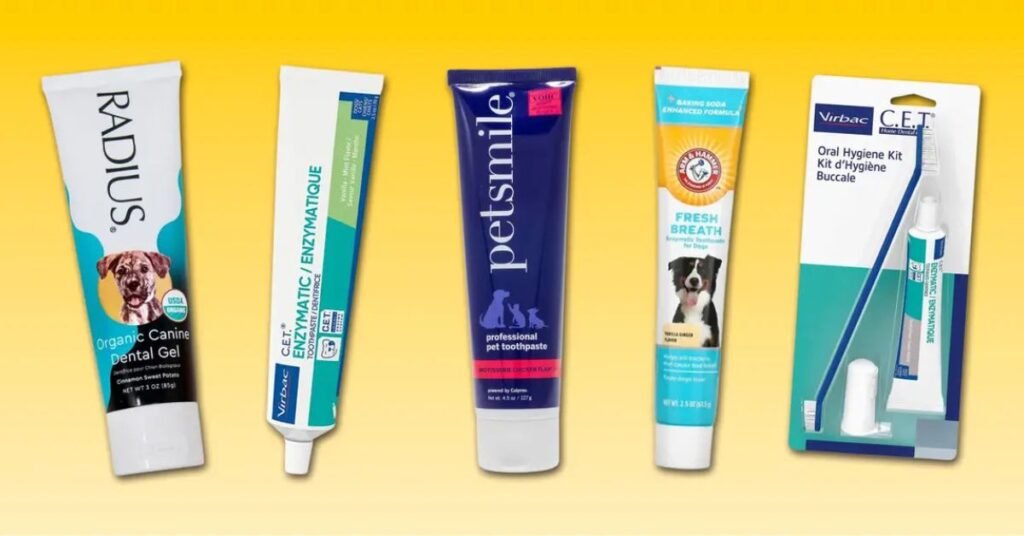
Dog toothpaste plays an important role in your dog’s overall health. It helps remove plaque and bacteria that build up on the teeth every day. Without regular cleaning, plaque can harden into tartar and lead to dental problems. Brushing with dog toothpaste keeps the mouth cleaner and helps maintain healthy gums.
Poor dental care can affect more than just your dog’s teeth. Dental disease may cause pain, bad breath, and difficulty eating. In some cases, bacteria from the mouth can spread to other parts of the body. Regular use of dog toothpaste offers several benefits:
- Helps reduce plaque buildup
- Freshens bad breath
- Supports healthy teeth and gums
- Lowers the risk of dental disease
- Makes dental care part of a healthy routine
A few minutes of brushing each week can make a big difference. Good dental habits help your dog stay comfortable, active, and healthy for years to come.
How to Choose the Best Dog Toothpaste
Choosing the best dog toothpaste starts with checking the ingredients. Look for products that are made specifically for dogs and are safe to swallow. Avoid using human toothpaste because it may contain ingredients that can harm your dog. A good dog toothpaste should help remove plaque, reduce bad breath, and support healthy gums.
You should also consider your dog’s taste preferences. Many dog toothpastes come in flavors such as chicken, beef, peanut butter, or vanilla mint. A flavor your dog enjoys can make brushing much easier. Read product reviews, check veterinarian recommendations, and choose a trusted brand. The right dog toothpaste can make dental care more effective and help keep your dog’s teeth healthy for years.
How to Brush Your Dog’s Teeth
Start by choosing a quiet and comfortable place. Let your dog smell and taste the toothpaste before you begin. Gently lift the lips and use a dog toothbrush or finger brush to clean the teeth. Brush in small circular motions and focus on the outer surfaces of the teeth. Move slowly and keep the experience positive.
Begin with short brushing sessions if your dog is new to dental care. Praise your dog and offer a small reward after each session. Try to brush your dog’s teeth several times a week for the best results. Regular brushing helps remove plaque, freshen breath, and keep the teeth and gums healthy. With patience and consistency, most dogs can learn to accept tooth brushing as part of their routine.
Getting Your Dog Comfortable With Brushing
Help your dog feel relaxed before you start brushing. Let your dog smell the toothbrush and taste a small amount of dog toothpaste. Use a calm voice and give plenty of praise. This helps your dog build a positive connection with the brushing routine.
Start slowly and keep the first few sessions short. Touch your dog’s mouth gently and reward good behavior. Do not force the process if your dog seems nervous. With patience and regular practice, most dogs become more comfortable with brushing over time.
Step-by-Step Brushing Process
Begin by lifting your dog’s lips to expose the teeth. Apply a small amount of dog toothpaste to the toothbrush. Brush the outer surfaces of the teeth using gentle circular motions. Pay extra attention to the back teeth because plaque often builds up there.
Work slowly and keep the session positive. You do not need to brush every tooth perfectly at first. Focus on making the experience stress-free for your dog. Finish with praise or a healthy treat to encourage cooperation during future brushing sessions.
How Often You Should Brush
Daily brushing provides the best protection against plaque and tartar buildup. It helps keep your dog’s teeth cleaner and reduces the risk of dental disease. Even a few minutes of brushing each day can improve your dog’s oral health.
If daily brushing is not possible, try to brush your dog’s teeth at least three times a week. Consistency matters more than long brushing sessions. A regular routine helps maintain healthy teeth, fresh breath, and strong gums throughout your dog’s life.
Read more for info: https://thepawtips.com/puppy-vaccination-program/
Types of Dog Toothpaste Available
Dog toothpaste comes in several types to meet different needs. Some products focus on plaque removal, while others target bad breath or gum health. Many brands offer flavored toothpaste to make brushing more enjoyable for dogs. Choosing the right type can make dental care easier and more effective.
Each dog has different preferences and dental needs. Some dogs like traditional toothpaste, while others respond better to natural formulas or dental gels. Understanding the available options can help you select the best product for your pet. The table below explains the most common types of dog toothpaste.
More Details
| Type of Dog Toothpaste | Main Features | Benefits | Best For |
| Enzymatic Toothpaste | Uses enzymes to break down plaque and bacteria | Helps reduce plaque and freshens breath | Most dogs and daily dental care |
| Flavored Toothpaste | Available in chicken, beef, peanut butter, and other flavors | Makes brushing more enjoyable | Picky dogs that dislike brushing |
| Natural Toothpaste | Made with natural ingredients and fewer additives | Gentle on teeth and gums | Owners who prefer natural products |
| Dental Gel Toothpaste | Gel formula that spreads easily across teeth | Simple to apply and effective for oral care | Dogs that resist traditional brushing |
| Tartar Control Toothpaste | Designed to fight tartar buildup | Helps keep teeth cleaner for longer | Dogs prone to tartar accumulation |
| Whitening Toothpaste | Helps remove surface stains from teeth | Improves the appearance of teeth | Dogs with tooth discoloration |
| Breath Freshening Toothpaste | Focuses on reducing bad breath | Leaves the mouth smelling fresher | Dogs with persistent bad breath |
| Sensitive Teeth Toothpaste | Gentle formula for sensitive mouths | Provides comfortable cleaning | Dogs with sensitive teeth or gums |
| Veterinary Formula Toothpaste | Developed with professional dental care in mind | Supports advanced oral health needs | Dogs with existing dental concerns |
| Puppy Toothpaste | Mild ingredients and puppy-friendly flavors | Safe for young dogs learning dental care | Puppies starting a brushing routine |
| Herbal Toothpaste | Contains herbs that support oral hygiene | Helps maintain healthy gums and breath | Owners looking for herbal options |
| Multi-Benefit Toothpaste | Combines plaque control, breath freshening, and gum support | Provides complete dental care | Dogs needing all-around oral protection |
Choosing the right dog toothpaste depends on your dog’s age, dental condition, and flavor preferences. A product that your dog enjoys will make regular brushing much easier and help support long-term dental health.
Common Dental Problems in Dogs
Dental problems are common in dogs of all ages. Plaque and tartar often build up on the teeth when owners do not brush them regularly. This buildup can irritate the gums and cause bad breath. Over time, bacteria can damage the teeth and lead to more serious oral health issues.
Many dogs develop gum disease, tooth decay, or loose teeth as they get older. Some dogs may have red or swollen gums, difficulty chewing, or bleeding from the mouth. These signs should not be ignored. Regular brushing, dental checkups, and proper oral care can help prevent many common dental problems and keep your dog’s mouth healthy.
Is Dog Toothpaste Right for Your Pet?
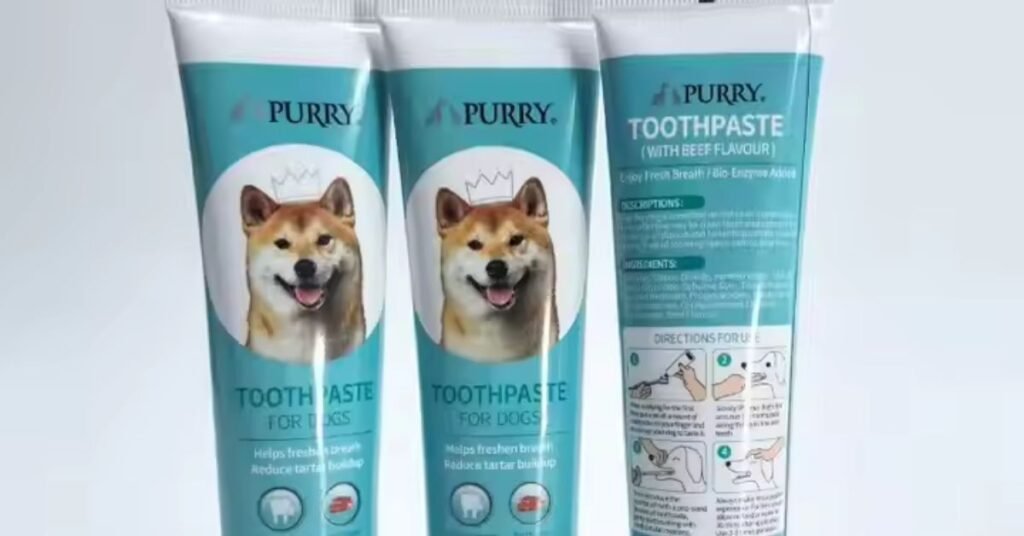
Dog toothpaste is a good choice for almost every dog. Regular brushing helps keep the teeth clean and supports healthy gums. Puppies, adult dogs, and senior dogs can all benefit from proper dental care. Starting a brushing routine early can help prevent many common dental problems later in life.
If your dog has bad breath, plaque buildup, or signs of gum disease, dog toothpaste can become an important part of daily care. Choose a product made specifically for dogs and use it regularly for the best results. When combined with healthy food, dental treats, and veterinary checkups, dog toothpaste can help keep your pet’s mouth clean and healthy for years.
Conclusion
Taking care of your dog’s teeth is an important part of responsible pet ownership. Dog toothpaste helps remove plaque, freshen breath, and support healthy gums. Regular brushing can prevent many common dental problems and keep your dog more comfortable. A few minutes of dental care each week can make a big difference in your dog’s overall health.
Choosing the right dog toothpaste and following a consistent brushing routine can help protect your dog’s smile for years. Start slowly and make brushing a positive experience for your pet. With patience and regular care, you can improve your dog’s oral health and reduce the risk of future dental issues. Healthy teeth and gums help your dog live a happier and more active life.
People Also Ask
1: Can I use human toothpaste on my dog?
No, you should not use human toothpaste on dogs. It may contain ingredients that are harmful if swallowed.
2: How often should I brush my dog’s teeth?
Daily brushing gives the best results. If that is not possible, try to brush your dog’s teeth at least three times a week.
3: What flavor of dog toothpaste is best?
The best flavor is the one your dog likes most. Common options include chicken, beef, and peanut butter.
4: Does dog toothpaste really help with bad breath?
Yes, dog toothpaste can help reduce bad breath by removing plaque and bacteria from the mouth.
5: At what age should I start using dog toothpaste?
You can start using dog toothpaste when your puppy is young. Early dental care helps build healthy habits and supports long-term oral health.