

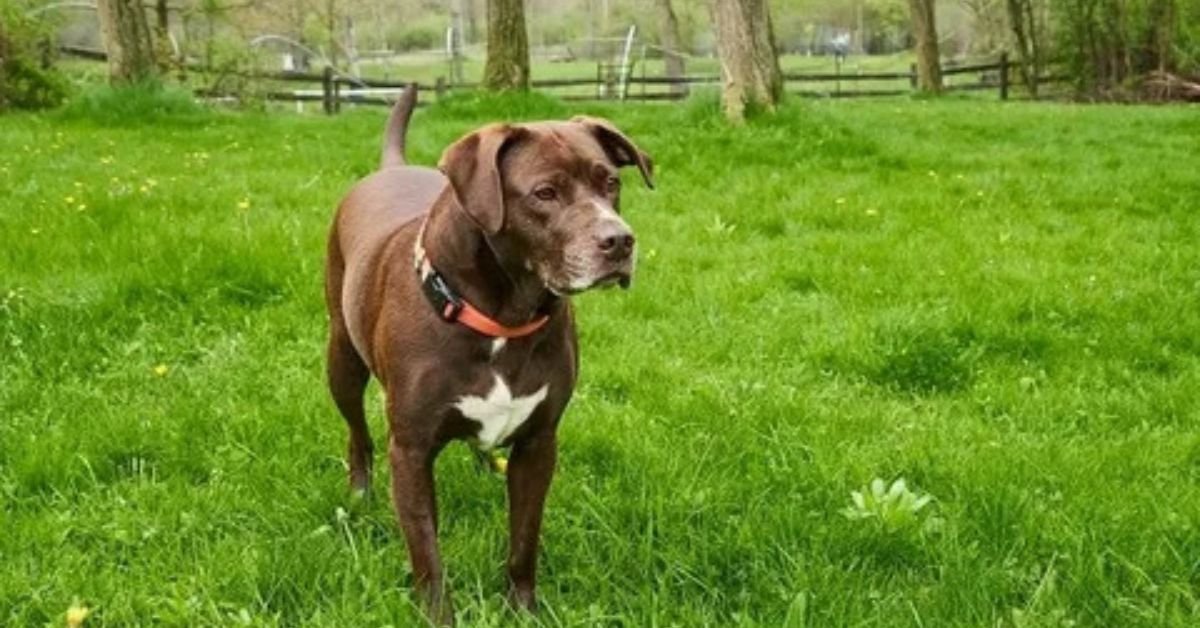
A Mixed Lab and Pitbull, often called a Pitador, is a cross between a Labrador Retriever and a Pitbull-type dog. This mixed breed can inherit traits from both parent breeds. Pitadors often have a strong, athletic body and a friendly nature. However, their appearance and personality can vary from dog to dog.
Thinking about bringing a Pitador home? This mix can be playful, loyal, and full of energy. It can also need plenty of exercise, training, and attention. Understanding these needs can help you decide if this dog fits your lifestyle.
In this guide, we cover the Pitador’s appearance, temperament, exercise needs, training, grooming, and health care. We also share helpful tips for caring for this unique Labrador and Pitbull mix.
What Is a Mixed Lab and Pitbull?
A Mixed Lab and Pitbull is a cross between a Labrador Retriever and a Pitbull-type dog. People often call this mix a Pitador. These dogs can inherit physical and personality traits from both parent breeds. Their size, coat, color, and behavior can vary from one dog to another.
Pitadors often have an athletic build and a playful personality. They usually need regular exercise and daily interaction. Early training and socialization can help them develop good manners. With proper care, this mix can become an active and loving family companion.
Mixed Lab and Pitbull Appearance and Size
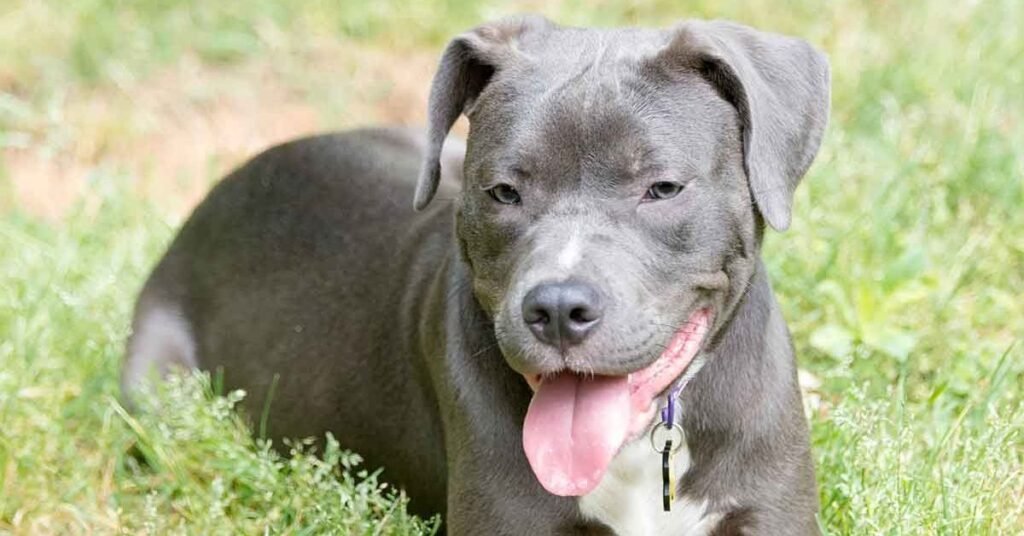
A Mixed Lab and Pitbull can have a strong and athletic appearance. Its features can come from either parent breed. Some dogs have a broad head and muscular body, while others show more Labrador-like features. Their coat usually stays short and can come in colors such as black, brown, white, tan, or combinations of these shades. Because this mix does not follow one fixed standard, each Pitador can look different.
Size also varies based on the parents. Many Pitadors grow into medium to large dogs. Their body can look muscular without appearing overly heavy. The table below gives a general idea of what you may see:
| Feature | Common Characteristics |
| Size | Medium to large |
| Build | Strong, athletic, and muscular |
| Head | Broad or moderately wide |
| Ears | May be floppy, semi-erect, or more upright |
| Eyes | Usually round or oval |
| Coat | Short and fairly easy to maintain |
| Coat Colors | Black, brown, white, tan, brindle, or mixed colors |
| Tail | Usually medium to long |
| Body | Solid with a well-developed chest |
| Weight | Varies widely based on the parent dogs |
| Height | Varies based on genetics and parent size |
Mixed Lab and Pitbull Temperament
A Mixed Lab and Pitbull can have a friendly and playful personality. Many dogs enjoy spending time with their families. They can also be active and curious. Their temperament can vary because they inherit traits from both parent breeds. Early socialization can help a Pitador learn how to behave around people, children, and other pets.
Pitadors often form strong bonds with their owners. They may enjoy games, walks, and training sessions. Their energy can make regular exercise important. Consistent training and positive reinforcement can help them develop good manners. Each dog has its own personality, so observe the individual dog rather than relying only on breed traits.
Exercise and Training Needs
A Mixed Lab and Pitbull usually needs regular exercise. Both parent breeds can have plenty of energy. Daily walks, play sessions, and outdoor activities can help your Pitador stay active. Mental games can also prevent boredom. Adjust the amount of exercise based on your dog’s age, health, and individual energy level.
Training should start early and stay consistent. Use rewards and praise to encourage good behavior. Short sessions can keep your dog focused and interested. You can include activities such as:
- Daily walks: Provide regular physical activity.
- Fetch: Help your dog burn energy through play.
- Obedience training: Practice commands such as sit, stay, and come.
- Puzzle toys: Give your dog mental challenges.
- Socialization: Introduce your dog to people and friendly dogs in safe situations.
- Recall practice: Teach your dog to return when you call.
Feeding and Grooming a Lab Pitbull Mix
A Lab Pitbull mix needs a balanced diet that matches its age, size, and activity level. Choose quality dog food that provides enough protein and essential nutrients. Feed measured portions to help maintain a healthy weight. Avoid giving too many treats or table scraps. Fresh water should remain available throughout the day.
Grooming a Lab Pitbull mix usually stays simple because it often has a short coat. Brush your dog regularly to remove loose hair and keep the coat clean. Check the ears and clean them when needed. Trim the nails before they grow too long. Brush the teeth regularly to support good dental health. Regular grooming also gives you a chance to notice changes in your dog’s skin, coat, or body.
Diet and Feeding Needs
A Lab Pitbull mix needs a balanced diet to support its active lifestyle. Choose complete dog food that suits your dog’s age, size, and activity level. Protein can support healthy muscles, while other essential nutrients support overall health. Always provide fresh, clean water. Follow the food label and adjust portions based on your dog’s body condition and activity.
Avoid overfeeding your Pitador because excess weight can put stress on its joints. Give treats in moderation and include them within the daily calorie intake. Puppies, adults, and senior dogs can have different nutritional needs. Your veterinarian can help you choose the right food and feeding amount for your dog.
Shedding and Grooming
A Lab Pitbull mix usually has a short coat that needs simple grooming. It can still shed throughout the year. Regular brushing can remove loose hair and help keep the coat clean. Brush your dog once or twice a week, or more often during heavier shedding periods. Use a soft-bristle brush or grooming tool that suits your dog’s coat.
Bathing does not need to happen too often unless your dog gets dirty or your veterinarian recommends it. Check the ears regularly and keep them clean and dry. Trim the nails when they become too long. Brush your dog’s teeth regularly to support good dental health. These simple habits can keep your Pitador clean and comfortable.
Tips for Keeping Your Pitador Healthy
A healthy Pitador needs regular care and attention. Give your dog balanced food and fresh water every day. Provide regular exercise to support strong muscles and a healthy weight. Keep up with routine veterinary visits, vaccinations, and parasite prevention. Watch for changes in appetite, energy, skin, or behavior and contact your veterinarian when something seems unusual.
Good daily habits can make a big difference. Keep your dog’s teeth, ears, nails, and coat clean. Give your Pitador safe toys and regular mental activities. Training can also support good behavior and help you build a strong bond. Use the table below as a simple care guide.
Read more for info: https://thepawtips.com/dog-breeds-for-apartments/
| Health Area | What You Can Do | How Often |
| Balanced Diet | Give complete food that suits your dog’s age and activity level. | Daily |
| Fresh Water | Keep clean water available at all times. | Daily |
| Exercise | Provide walks, play, and other suitable activities. | Daily |
| Weight Control | Monitor body condition and avoid excessive treats. | Regularly |
| Dental Care | Brush the teeth with dog-safe dental products. | Regularly |
| Coat Care | Brush the short coat to remove loose hair. | Weekly |
| Nail Care | Trim nails before they become too long. | As needed |
| Ear Care | Check the ears and clean them when needed. | Regularly |
| Parasite Prevention | Follow your veterinarian’s advice for flea, tick, and parasite control. | As advised |
| Veterinary Visits | Schedule routine health checks. | As recommended |
| Vaccinations | Keep vaccinations up to date. | As recommended |
| Mental Stimulation | Use training, puzzle toys, and interactive games. | Daily |
| Socialization | Provide safe and positive experiences with people and other dogs. | Regularly |
| Rest | Give your dog a quiet and comfortable place to sleep. | Daily |
| Health Monitoring | Watch for unusual changes in behavior, appetite, or activity. | Daily |
Is a Mixed Lab and Pitbull Right for You?
A Mixed Lab and Pitbull can suit an active home that enjoys spending time with a dog. This mix often needs daily exercise, training, and attention. It can form a strong bond with its family. Its size and energy level also mean you should have enough space and time for its needs.
Think about your lifestyle before bringing home a Pitador. Make sure you can provide regular walks, mental stimulation, grooming, and proper care. You should also consider your experience with dogs and the needs of any children or pets in your home. Meeting the individual dog can help you understand its personality and decide if it fits your household.
Pros and Potential Challenges
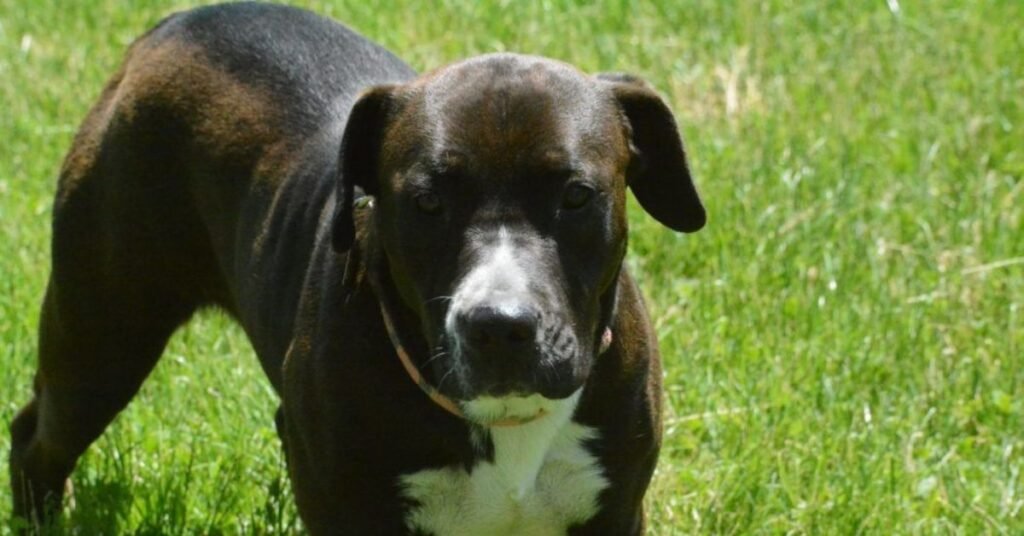
A Lab Pitbull mix can bring plenty of energy and companionship to a home. Many Pitadors enjoy play, walks, and family activities. They can also respond well to consistent training and positive attention. However, every dog has its own personality and needs. You should consider both the benefits and challenges before bringing one home.
The table below highlights common points to consider:
| Potential Benefit | Potential Challenge |
| Playful nature | May need plenty of daily activity |
| Strong family bond | May seek a lot of attention |
| Active companion | May become bored without enough exercise |
| Trainable | Needs consistent training and socialization |
| Short coat | Can still shed regularly |
| Enjoys interactive play | Needs mental stimulation to stay engaged |
| Loyal and affectionate | May not enjoy long periods alone |
| Adaptable individual personalities | Temperament can vary between dogs |
| Can enjoy outdoor activities | Requires time for regular walks and play |
| Good potential companion | Needs responsible care throughout its life |
What to Consider Before Getting a Pitador
Think about your lifestyle before bringing a Pitador home. This mix can need daily exercise, training, and attention. Make sure you have enough time for walks, play, and mental activities. Consider your living space too. Check local housing rules and make sure everyone in your home feels comfortable with the decision.
You should also plan for long-term care. Budget for quality food, grooming supplies, routine veterinary visits, vaccinations, and other needs. Meet the individual dog when possible and observe its behavior. Ask about its health history and background. A careful decision can help you create a safe and happy home for your new companion.
Final Thoughts
A Mixed Lab and Pitbull, or Pitador, can make an active and loving companion. This mix can have traits from both parent breeds. It may enjoy walks, playtime, training, and family activities. Its personality can vary from one dog to another.
Before getting a Pitador, consider its exercise, training, feeding, and grooming needs. Give your dog proper care, regular attention, and routine veterinary support. With patience and responsible care, you can help your Pitador enjoy a healthy and happy life.
FAQs
1. What is a Mixed Lab and Pitbull called?
A Mixed Lab and Pitbull is commonly called a Pitador. It combines a Labrador Retriever with a Pitbull-type dog.
2. How big does a Pitador get?
A Pitador can grow into a medium to large dog. Its size depends on the size and genetics of its parent dogs.
3. Is a Pitador easy to train?
A Pitador can respond well to consistent, reward-based training. Start training early and keep sessions short and positive.
4. How much exercise does a Pitador need?
Most Pitadors need regular daily exercise, such as walks, play, and mental activities. Adjust exercise to the dog’s age and individual needs.
5. Does a Pitador shed a lot?
Pitadors usually have short coats and can shed throughout the year. Regular brushing can help remove loose hair and keep the coat clean.