

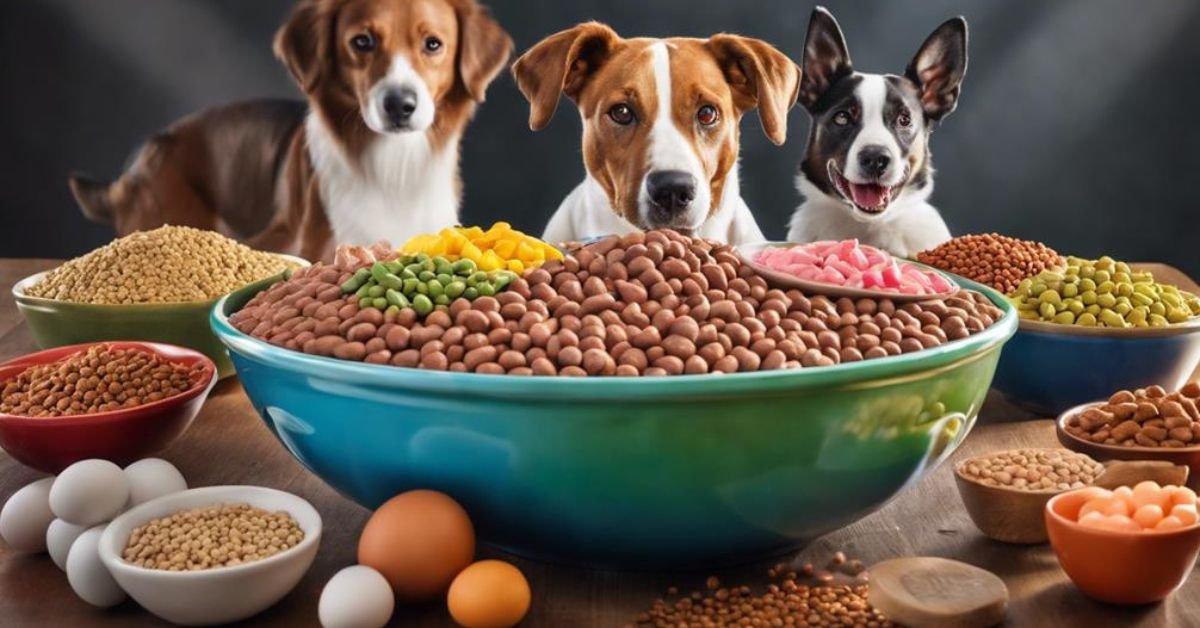
Introduction
Protein is one of the most important nutrients in a dog’s diet.
It plays a major role in building muscles, supporting organs, maintaining healthy skin, strengthening the immune system, and helping the body repair itself. Because of these benefits, many dog owners search for high protein dog food when choosing a diet for their pets.
However, more protein does not automatically mean better nutrition.
Some dogs thrive on high-protein diets, while others may need a more balanced approach. Factors such as age, breed, activity level, health conditions, and calorie needs all influence the ideal amount of protein.
This guide explains everything you need to know about high protein dog food, including its benefits, potential drawbacks, ingredients, feeding recommendations, and how to choose the right formula for your dog.
Table of Contents
- What Is High Protein Dog Food?
- Why Dogs Need Protein
- Benefits of High Protein Dog Food
- Potential Risks and Considerations
- Common Protein Sources
- How to Choose the Best High Protein Dog Food
- High Protein vs Regular Dog Food
- Dogs That Benefit Most From High Protein Diets
- Common Feeding Mistakes
- Latest Trends in High-Protein Nutrition
- Key Takeaways
- Conclusion
- FAQs
What Is High Protein Dog Food?
High protein dog food contains a greater percentage of protein than traditional maintenance diets.
Most standard adult dog foods contain approximately 18% to 26% protein on a dry matter basis. High protein formulas often exceed 30% protein and sometimes reach 40% or higher.
Protein can come from:
- Chicken
- Beef
- Turkey
- Salmon
- Lamb
- Eggs
- Fish meal
- Plant-based ingredients
The quality of protein matters more than the percentage alone.
According to nutritional guidelines from the Association of American Feed Control Officials (AAFCO), dogs require adequate protein to support normal growth, maintenance, and health. Learn more at https://www.aafco.org
Why Dogs Need Protein
Protein serves as a building block for nearly every part of a dog’s body.
The body breaks protein into amino acids, which support vital functions.
Key Functions of Protein
Muscle Development
- Supports muscle growth
- Maintains lean body mass
- Helps active dogs recover after exercise
Tissue Repair
- Repairs damaged tissues
- Supports wound healing
- Helps recovery after illness
Immune System Support
- Produces antibodies
- Supports healthy immune responses
- Helps protect against disease
Without enough protein, dogs may experience reduced muscle mass, poor coat condition, low energy levels, and slower recovery from illness.
Benefits of High Protein Dog Food

Many dogs benefit from higher protein intake when the diet remains balanced and nutritionally complete.
Supports Lean Muscle Mass
Active dogs require protein to maintain muscle strength.
Working breeds such as Border Collies, German Shepherds, Labrador Retrievers, and hunting dogs often benefit from higher protein diets.
Helps Growing Puppies
Growth and Development
- Supports healthy growth
- Builds muscle tissue
- Promotes strong body development
Increased Nutritional Demands
Puppies need more nutrients than adult dogs because they grow rapidly.
Quality protein helps support this process.
Encourages Healthy Weight Management
Protein can help dogs feel full longer.
Some veterinarians recommend higher-protein diets as part of weight management plans because protein supports lean muscle while reducing excessive hunger.
Owners exploring alternative nutritional approaches may also find value in our guide to grain free dog food and nutritional considerations.
Supports Senior Dogs
Older dogs often lose muscle mass as they age.
Many healthy senior dogs benefit from adequate protein intake to maintain strength and mobility.
Real-World Example
A highly active agility dog that trains several times per week may require significantly more protein than a sedentary indoor companion dog.
This example highlights why nutrition should match lifestyle.
Potential Risks and Considerations
Although high protein dog food offers many advantages, it is not ideal for every dog.
Protein Alone Does Not Equal Quality
Some dog foods advertise high protein percentages but use lower-quality protein sources.
Always review the ingredient list carefully.
Excess Calories
Many high-protein formulas also contain higher calorie levels.
Without proper portion control, dogs may gain weight.
Certain Medical Conditions
Dogs with specific health issues may require customized diets.
Examples include:
- Advanced kidney disease
- Certain liver conditions
- Specialized therapeutic diets
Owners should consult their veterinarian before making significant dietary changes.
The American Veterinary Medical Association (AVMA) provides valuable information about responsible pet nutrition and preventive healthcare athttps://www.avma.org
Common Misconceptions
Many people believe high protein diets damage healthy kidneys.
Current research does not support this claim for healthy dogs. However, dogs with diagnosed kidney disease may require different nutritional strategies.
Common Protein Sources
Not all protein sources offer the same nutritional value.
Understanding ingredients helps owners make informed decisions.
Animal-Based Protein Sources
| Protein Source | Benefits |
| Chicken | Lean and highly digestible |
| Turkey | Rich in essential amino acids |
| Beef | Nutrient-dense protein source |
| Salmon | Provides protein and omega-3 fats |
| Lamb | Useful alternative protein |
| Eggs | Highly digestible complete protein |
Plant-Based Protein Sources
Common Ingredients
- Peas
- Lentils
- Chickpeas
- Soy
Plant proteins can contribute to total protein content but should not replace high-quality animal proteins in most canine diets.
Ingredient Label Tips
Look for:
- Named meat sources
- Meat meals from specific animals
- Clear ingredient labeling
- Balanced nutrient profiles
Avoid products that rely heavily on vague protein descriptions.
Read more for info: https://thepawtips.com/dogs-that-dont-shed/
How to Choose the Best High Protein Dog Food
Choosing the right food requires more than checking the protein percentage.
Evaluate Ingredient Quality
What to Look For
- Chicken as the first ingredient
- Salmon as the primary protein source
- Clearly identified meat meals
- Whole-food ingredients
What to Limit
- Artificial colors
- Unnecessary fillers
- Excessive preservatives
Match the Diet to Your Dog
Consider:
- Age
- Activity level
- Breed size
- Health status
- Weight goals
Transition Gradually
Switching foods too quickly can cause digestive upset.
A gradual transition usually works best:
- Mix a small amount of new food with the old food.
- Increase the new food over 7 to 10 days.
- Monitor stool quality and appetite.
If digestive issues occur during dietary changes, this guide about dog diarrhea causes and recovery tips can help owners understand common concerns.
High Protein vs Regular Dog Food
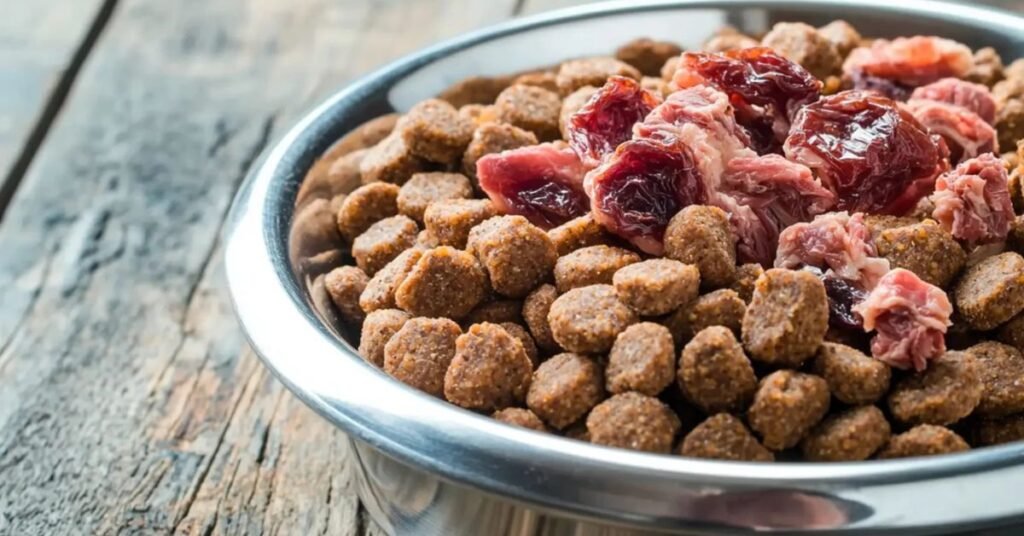
Many owners wonder whether high protein food is automatically superior.
The answer depends on the dog.
Comparison Table
| Feature | High Protein Dog Food | Regular Dog Food |
| Protein Level | Higher | Moderate |
| Muscle Support | Excellent | Good |
| Suitable for Active Dogs | Often Yes | Sometimes |
| Calorie Density | Often Higher | Moderate |
| Cost | Usually Higher | Often Lower |
| Suitable for Every Dog | Not Always | Depends |
The overall nutritional balance matters more than a single nutrient percentage.
Dogs That Benefit Most From High Protein Diets
Some dogs benefit more than others from increased protein intake.
Common Examples
- Sporting dogs
- Working dogs
- Agility competitors
- Active adult dogs
- Growing puppies
- Some healthy senior dogs
Dogs That May Need Specialized Guidance
- Dogs with chronic health conditions
- Dogs on prescription diets
- Dogs with advanced kidney disease
- Dogs recovering from major illness
Every dog has unique nutritional requirements.
Monitoring body condition, energy levels, and veterinary recommendations helps determine the best diet.
Common Feeding Mistakes
Dog owners often make mistakes when selecting or feeding high protein foods.
Frequent Errors
- Focusing only on protein percentage
- Ignoring calorie content
- Choosing food based on marketing claims
- Overfeeding active formulas
- Skipping veterinary advice
Troubleshooting Nutrition Problems
If your dog experiences issues after switching diets:
- Review serving sizes.
- Check ingredient changes.
- Monitor water intake.
- Watch for digestive symptoms.
- Contact your veterinarian if concerns continue.
Some dietary issues can also affect skin and ear health. Owners noticing irritation may benefit from understanding why dogs shake their heads frequently.
Latest Trends in High-Protein Nutrition
The pet nutrition industry continues to evolve.
Manufacturers now focus on both protein quality and nutritional balance.
Popular Trends
- Fresh food diets
- Freeze-dried protein sources
- Human-grade ingredients
- Personalized feeding plans
- Limited ingredient recipes
Emerging Innovations
Advanced Nutrition Technology
- DNA-based diet recommendations
- Personalized feeding calculators
- Health monitoring integration
Sustainable Protein Sources
- Insect protein research
- Sustainable fish proteins
- Environmentally responsible sourcing
These developments may improve nutritional precision in the future.
Active dogs that spend significant time outdoors also benefit from overall wellness planning. Owners who frequently walk or hike with their dogs may appreciate this guide on dog socks for paw protection.
For traveling dogs, proper nutrition and safe transportation often go hand in hand. This resource about safe dog travel equipment for trucks provides additional practical information.
Key Takeaways
- High protein dog food contains more protein than standard maintenance diets.
- Protein supports muscle growth, tissue repair, immune function, and energy needs.
- Active dogs, puppies, and many senior dogs often benefit from higher protein intake.
- Protein quality matters more than protein percentage alone.
- High-protein diets should remain nutritionally balanced.
- Veterinary guidance is important for dogs with medical conditions.
- Ingredient quality should guide food selection.
- Every dog’s nutritional needs are different.
Conclusion
High protein dog food can provide significant benefits when matched to a dog’s individual needs. Quality protein supports muscle development, healthy aging, recovery, energy levels, and overall wellness.
However, the best dog food is not always the one with the highest protein percentage. A balanced formula, quality ingredients, appropriate calorie levels, and veterinary guidance matter far more than marketing claims.
By understanding your dog’s lifestyle, health status, and nutritional requirements, you can make informed feeding decisions that support long-term health and happiness.
FAQ
What is considered high protein dog food?
Most high protein dog foods contain more than 30% protein on a dry matter basis.
Is high protein dog food good for all dogs?
No. Nutritional needs vary based on age, activity level, and health conditions.
Can puppies eat high protein dog food?
Yes. Puppies often need higher protein levels to support growth and development.
Does high protein dog food help build muscle?
Yes. Protein supports muscle growth, maintenance, and recovery.
Can senior dogs benefit from high protein diets?
Many healthy seniors can benefit from adequate protein to maintain muscle mass.
Is animal protein better than plant protein for dogs?
Animal proteins generally provide a more complete amino acid profile.
Can high protein dog food cause weight gain?
Yes, if calorie intake exceeds your dog’s energy needs.
How do I switch to a high protein dog food?
Transition gradually over 7 to 10 days to help prevent digestive upset.