

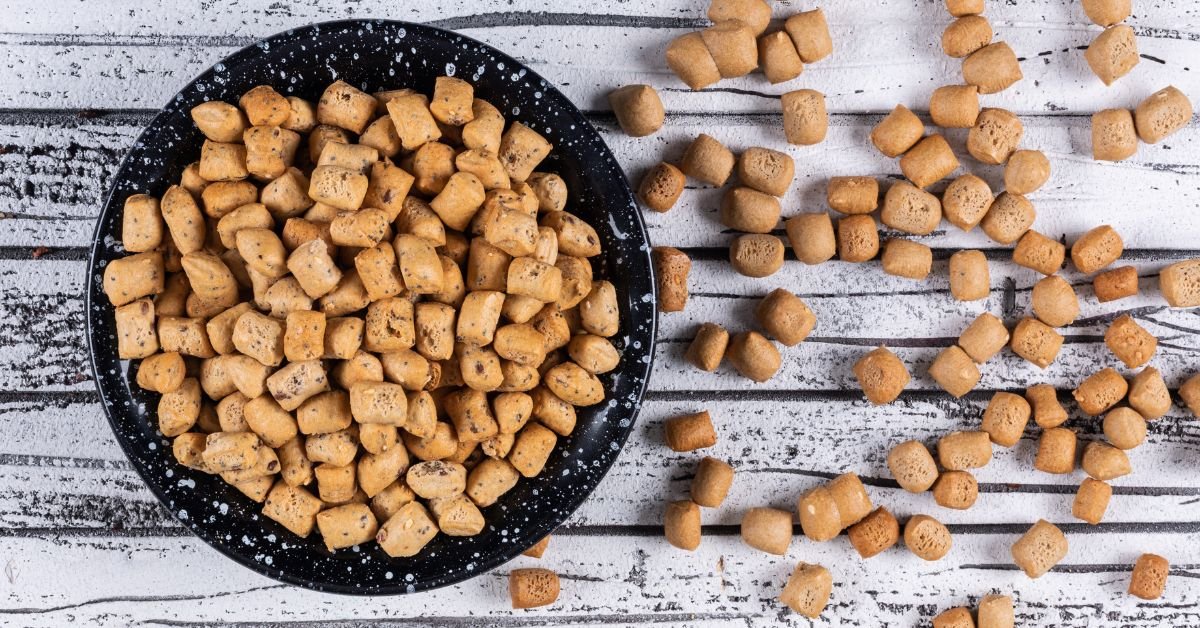
What is Turkey Dog Food?
Turkey dog food refers to any dog diet that uses turkey as the primary protein source, whether in commercial products or homemade meals. Pet owners increasingly choose turkey because it offers a lean, high-quality protein alternative to more common options like chicken or beef. Manufacturers include turkey in dry kibble, wet canned food, fresh subscription meals, and even raw diets, making it one of the most versatile protein sources available for dogs.
You will often see turkey listed in two main forms on ingredient labels: fresh turkey and turkey meal. Fresh turkey contains natural moisture and provides excellent taste, but turkey meal delivers a more concentrated protein source because manufacturers remove water during processing. Both forms can be beneficial, and the quality depends more on sourcing and formulation than the form itself. When you evaluate turkey dog food, you should always focus on ingredient transparency, protein percentage, and nutritional balance rather than just marketing claims.

Is Turkey Good for Dogs? (Expert Answer)
Turkey is not only safe for most dogs but also highly beneficial when prepared and served correctly. It provides a complete protein source that supports muscle development, immune function, and overall health. Compared to beef, turkey contains less fat, which makes it ideal for dogs that need weight management. It also tends to be less allergenic than chicken, making it a preferred option for dogs with food sensitivities.
Veterinarians often recommend turkey-based diets for dogs dealing with digestive issues or protein allergies. Its lean nature allows easy digestion while still delivering essential nutrients. However, you must ensure the turkey is plain and free from harmful additives like salt, garlic, or onions. When included in a balanced diet, turkey becomes a powerful nutritional component that supports both active and sedentary dogs.
Read for more info: https://thepawtips.com/silver-honey-for-dogs/
Nutritional Benefits of Turkey for Dogs
Turkey offers a rich nutritional profile that supports multiple aspects of canine health. It contains high-quality lean protein that helps build and maintain muscle mass while keeping fat intake under control. This makes it especially useful for overweight dogs or those on a controlled diet. Additionally, turkey provides essential amino acids that support tissue repair, enzyme production, and immune strength.
The vitamin content in turkey also contributes to overall wellness. It contains B vitamins such as B6 and B12, which play a key role in energy metabolism and brain function. Minerals like zinc and phosphorus support bone health and immune response. Because turkey is naturally lower in fat than many red meats, it helps maintain a healthy weight without compromising nutrition. Pet owners who switch to turkey-based diets often notice improved energy levels, shinier coats, and better digestion in their dogs.
Risks & Safety Concerns
While turkey provides many benefits, you must handle and prepare it properly to avoid potential risks. One of the biggest dangers comes from turkey bones, which can splinter easily and cause choking or internal injuries. You should never feed cooked bones to dogs under any circumstances. Seasonings also pose a serious threat. Ingredients like garlic, onion, and excessive salt can be toxic and lead to digestive or systemic issues.
Fat content is another factor to monitor. Although turkey is lean, certain cuts like skin or dark meat contain higher fat levels, which may trigger pancreatitis in sensitive dogs. Raw turkey diets also carry risks due to bacterial contamination such as salmonella. If you choose a raw feeding approach, you must follow strict hygiene and sourcing standards. By understanding these risks, you can safely incorporate turkey into your dog’s diet without compromising health.
Turkey Dog Food for Specific Needs
Turkey dog food works particularly well for dogs with specific dietary requirements. Dogs with food allergies often benefit from turkey because it is less likely to trigger reactions compared to more common proteins. Many hypoallergenic dog foods use turkey as a primary ingredient to reduce itching, skin irritation, and digestive discomfort.
Dogs with sensitive stomachs also respond well to turkey-based diets. Its digestibility allows the digestive system to process nutrients more efficiently, reducing symptoms like bloating or diarrhea. Puppies can consume turkey as part of a balanced diet that supports growth, while senior dogs benefit from its lower fat content and high nutrient density. For weight management, turkey provides a satisfying protein source that helps maintain muscle while reducing calorie intake.
Turkey vs Chicken Dog Food (Comparison Guide)
When comparing turkey and chicken dog food, both offer excellent nutritional value, but they differ in key areas that may influence your choice.
| Factor | Turkey Dog Food | Chicken Dog Food |
|---|---|---|
| Protein Quality | High-quality lean protein | High-quality but slightly higher fat |
| Digestibility | Easier for sensitive stomachs | Generally digestible but may cause allergies |
| Allergen Risk | Lower | Higher (common allergen) |
| Fat Content | Lower | Slightly higher |
| Cost | Slightly more expensive | More affordable |
Turkey often becomes the better option for dogs with allergies or weight concerns, while chicken remains a cost-effective and widely available choice. Your decision should depend on your dog’s specific health needs and how they respond to each protein.
Best Turkey Dog Food Types
Turkey dog food comes in several forms, each offering unique benefits depending on your dog’s lifestyle and your feeding preferences. Dry kibble provides convenience, long shelf life, and affordability, making it a popular choice for everyday feeding. Wet or canned food offers higher moisture content, which helps with hydration and palatability, especially for picky eaters.
Fresh dog food subscriptions have gained popularity due to their minimally processed ingredients and customized meal plans. These options often include high-quality turkey as a primary ingredient. Raw diets also appeal to some pet owners who prefer a more natural feeding approach, although they require careful handling and nutritional balancing. Choosing the best type depends on your dog’s health, your budget, and your ability to maintain consistency in feeding.
Homemade Turkey Dog Food Recipes
Preparing homemade turkey dog food allows you to control ingredients and ensure freshness, but you must maintain nutritional balance. A simple recipe includes cooked ground turkey, plain rice, and vegetables such as carrots or green beans. You should avoid adding salt, spices, or oils that may harm your dog.
When creating homemade meals, portion control plays a critical role. You should base serving sizes on your dog’s weight, age, and activity level. While homemade diets can be beneficial, they often lack essential nutrients if not properly formulated. Consulting a veterinarian or canine nutritionist ensures your dog receives a complete and balanced diet. By combining the right ingredients, you can create healthy, safe, and enjoyable meals for your pet.

How to Choose the Best Turkey Dog Food
Selecting the right turkey dog food requires careful evaluation of product labels and nutritional standards. You should always look for real turkey listed as the first ingredient, as this indicates a higher protein content. Avoid products that rely heavily on fillers, artificial additives, or unnamed meat by-products.
Checking for AAFCO compliance ensures that the food meets established nutritional guidelines for dogs. Protein percentage also matters, especially for active dogs that require higher intake. Transparent labeling, clear sourcing information, and minimal processing indicate a higher-quality product. By focusing on these factors, you can confidently choose a turkey dog food that supports your dog’s long-term health.
Feeding Guidelines & Portion Sizes
Feeding turkey dog food correctly involves understanding your dog’s specific needs. Factors such as weight, age, breed, and activity level determine the appropriate portion size. Active dogs require more calories and protein, while less active or senior dogs need controlled portions to prevent weight gain.
When transitioning to a turkey-based diet, you should introduce it gradually over several days to avoid digestive upset. Start by mixing a small amount of turkey food with your dog’s current diet and increase the proportion over time. Consistency in feeding schedule also helps maintain digestive health. By following proper guidelines, you ensure your dog receives optimal nutrition without overfeeding or underfeeding.
FAQs
Can dogs eat turkey every day?
Yes, dogs can eat turkey daily as long as it is part of a balanced diet and free from harmful additives or seasonings.
Is turkey better than chicken for dogs?
Turkey can be better for dogs with allergies or weight issues due to its lower fat content and reduced allergen risk.
Can puppies eat turkey?
Puppies can eat turkey when it is included in a nutritionally complete diet designed for growth and development.
Is deli turkey safe for dogs?
Deli turkey is not recommended because it often contains high levels of salt, preservatives, and additives that can harm dogs.
Conclusion
Turkey dog food offers a powerful combination of lean protein, essential nutrients, and versatility that supports dogs at every life stage. When you choose high-quality products or prepare balanced homemade meals, turkey can improve digestion, support weight management, and reduce allergy risks. However, you must remain mindful of potential hazards such as bones, seasonings, and improper preparation. By understanding both the benefits and risks, you can make informed decisions that promote your dog’s long-term health and well-being.
