

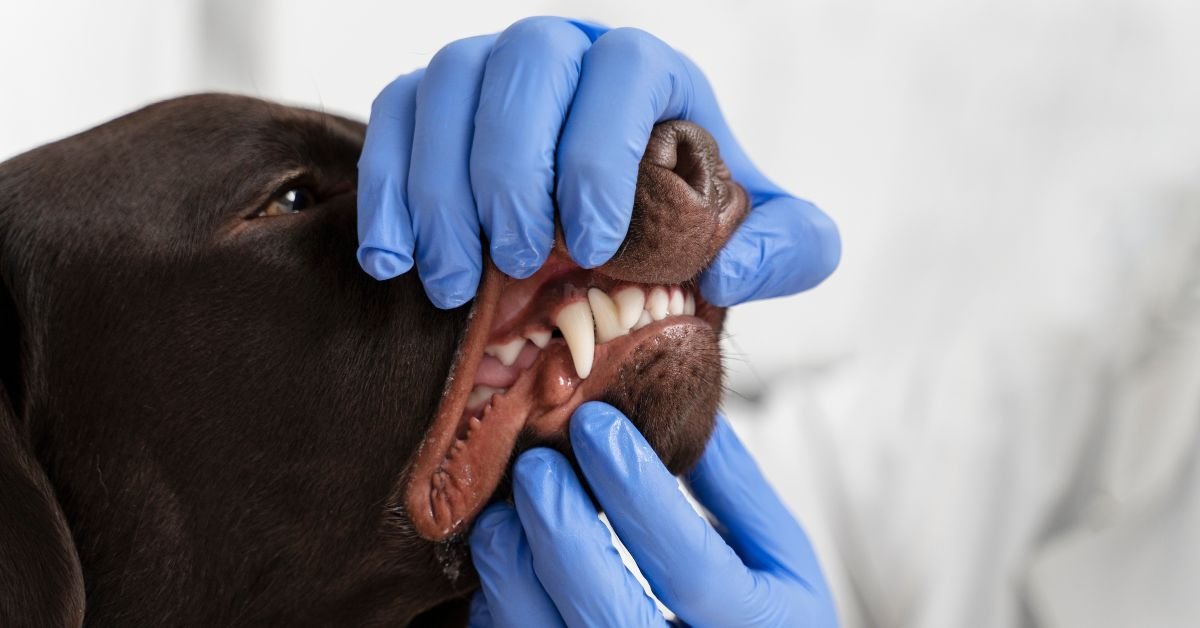
Introduction
Many dog owners become concerned when they notice their dog’s teeth chattering. The rapid clicking or vibrating movement of the jaw can look unusual, and it often raises questions about whether the behavior is normal or a sign of illness. In reality, dog teeth chattering is a relatively common behavior that can occur for several reasons. Dogs may chatter their teeth when they feel excited, when they smell interesting scents, when they feel cold, or when they experience anxiety or stress. In some situations, however, teeth chattering may indicate dental pain, neurological problems, or other underlying health issues that require attention.
Understanding the reasons behind this behavior is important for every dog owner. Recognizing when teeth chattering is harmless and when it signals a medical concern allows you to respond appropriately and protect your dog’s health. This guide explains the most common causes, symptoms, treatment options, and preventive care tips so you can better understand what your dog may be experiencing.
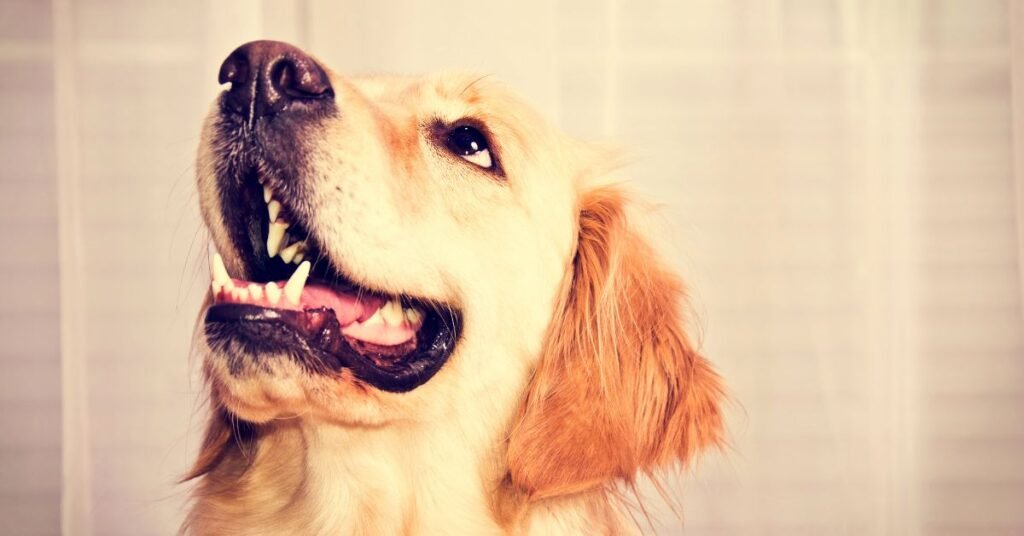
What Is Teeth Chattering in Dogs?
How Teeth Chattering Looks
Teeth chattering in dogs usually appears as a quick vibrating movement of the jaw where the teeth lightly tap against each other. Some dogs chatter for only a few seconds, while others may do it repeatedly during certain situations. You might notice the behavior when your dog smells something interesting, during moments of excitement, or when the dog feels nervous. In some cases, the chattering may occur along with drooling, lip licking, or subtle jaw movements.
The behavior may also occur during colder weather when dogs shiver. Just like humans can experience teeth chattering when they feel cold, dogs may react in the same way. Observing the context in which the behavior occurs often provides clues about its cause.
Read for more info: https://thepawtips.com/dog-shaking-head/
Normal vs Concerning Teeth Chattering
Occasional teeth chattering is often harmless, especially when it happens briefly during excitement or while sniffing a strong scent. However, persistent or frequent chattering can signal health issues. If the behavior appears suddenly, lasts for long periods, or occurs alongside symptoms like drooling, weakness, or loss of appetite, it may require veterinary attention. Understanding this distinction helps pet owners decide whether the behavior is simply a reaction to the environment or a sign of something more serious.
Common Causes of Dog Teeth Chattering
Excitement or Strong Scents
Dogs possess an extraordinary sense of smell, and certain scents can trigger a unique response called the Flehmen response. During this reaction, dogs chatter their teeth to process chemical signals in the scent. They may lift their lips slightly and move their jaw rapidly while analyzing the smell. This behavior is particularly common when dogs detect pheromones from other animals.
Cold Temperatures
Cold weather can cause dogs to shiver, and teeth chattering may accompany this response. Small breeds, short-haired dogs, and puppies tend to feel cold more quickly than larger or thick-coated breeds. If teeth chattering occurs outdoors in cold conditions, providing warmth and shelter usually resolves the issue.
Anxiety or Stress
Dogs often express emotional responses through body language and physical reactions. Stressful situations such as loud noises, unfamiliar environments, separation from owners, or visits to the veterinarian may cause anxiety. Some dogs chatter their teeth during these moments as a reaction to fear or nervous tension.
Dental Problems
Dental disease is a common but often overlooked cause of teeth chattering. Tooth infections, gum disease, cavities, or fractured teeth can create significant discomfort. Dogs experiencing dental pain may chatter their teeth as a response to irritation in the mouth or jaw. This type of chattering often occurs during eating or when the dog tries to chew toys.
Neurological or Medical Conditions
In rare cases, teeth chattering may result from neurological conditions or exposure to toxins. Seizure disorders, nerve damage, or certain illnesses can cause involuntary jaw movements. If teeth chattering appears alongside tremors, confusion, or loss of coordination, immediate veterinary evaluation is necessary.
Symptoms That May Occur Alongside Teeth Chattering
Teeth chattering rarely appears alone when medical issues are involved. Observing additional symptoms helps determine whether the behavior is harmless or concerning. Some common warning signs include
• Drooling or excessive lip licking
• Loss of appetite or difficulty eating
• Pawing at the mouth or face
• Whining or restlessness
• Trembling or body shaking
• Sudden behavioral changes
These symptoms may indicate dental pain, infection, neurological problems, or emotional stress. Monitoring these signs closely allows pet owners to seek veterinary care when necessary.
Behavioral Reasons for Teeth Chattering
Flehmen Response
The Flehmen response is a fascinating behavior seen in many animals, including dogs. When a dog encounters a powerful scent, it may chatter its teeth while drawing air into a special organ located in the roof of the mouth. This organ helps analyze chemical signals and pheromones more effectively. The behavior may look strange, but it is a normal biological process that helps dogs interpret their environment.
Emotional Responses
Dogs often express excitement or anticipation through physical reactions. For example, a dog may chatter its teeth while waiting for food, greeting its owner, or encountering something stimulating. In these cases, the behavior typically stops once the excitement subsides.
Communication Signals
Some dogs use subtle jaw movements and teeth chattering as part of their communication signals. The behavior may occur when they observe other animals, experience curiosity, or respond to social cues within their environment.
Medical Causes of Teeth Chattering
Dental Disease
Dental problems remain one of the most common medical reasons for teeth chattering. Plaque buildup, gum inflammation, or infected teeth can create significant discomfort. Regular dental care and veterinary checkups help prevent these issues from developing into painful conditions.
Neurological Conditions
Neurological disorders can sometimes affect muscle control in the jaw. Dogs experiencing seizures or nervous system problems may exhibit repetitive jaw movements that resemble teeth chattering. Veterinary evaluation and diagnostic tests help determine the underlying cause.
Toxicity or Poisoning
Exposure to certain toxins or chemicals can disrupt the nervous system and cause tremors or jaw movement. Household chemicals, toxic plants, or spoiled food may trigger such reactions in sensitive dogs.
Age Related Conditions
Older dogs may experience degenerative changes in their nervous system or dental health. These changes can lead to occasional jaw trembling or teeth chattering, particularly if the dog has underlying medical conditions.
When to See a Veterinarian
While occasional teeth chattering may not be harmful, some situations require professional evaluation. Contact a veterinarian if you notice
• Persistent or worsening teeth chattering
• Severe dental pain or swollen gums
• Drooling, vomiting, or unusual weakness
• Loss of coordination or seizure activity
• Sudden behavioral changes in senior dogs
Early diagnosis allows veterinarians to identify and treat health issues before they become serious.
Treatment Options
Veterinary Treatments
Veterinary treatment depends on the underlying cause of the behavior. Dogs with dental disease may require professional cleaning, tooth extraction, or medication for infection. Dogs experiencing anxiety may benefit from behavioral therapy or anti anxiety medications. Neurological conditions require specialized diagnostic tests and targeted treatment plans.
Home Care and Comfort Measures
Owners can support their dog’s comfort at home by providing warmth during cold weather, maintaining a calm environment, and practicing consistent dental hygiene. Brushing a dog’s teeth regularly and offering dental chews helps reduce plaque buildup and prevent oral disease.
Table: Common Causes of Dog Teeth Chattering and Recommended Responses
Cause | Typical Signs | Recommended Action
Excitement or scents | Brief chattering during sniffing | Usually normal behavior, monitor
Cold temperatures | Shivering with chattering | Provide warmth and shelter
Anxiety or stress | Nervous behavior, pacing | Reduce stress triggers
Dental disease | Pain while eating, drooling | Veterinary dental examination
Neurological conditions | Tremors, coordination issues | Immediate veterinary care
Preventive Care Tips
Preventing health problems that lead to teeth chattering requires regular care and attention. Simple habits can significantly improve your dog’s overall well being.
• Schedule regular veterinary checkups
• Maintain routine dental cleaning
• Provide a balanced diet with proper nutrition
• Reduce exposure to stress triggers
• Keep toxic substances away from pets
These practices help reduce the likelihood of dental disease, stress related behaviors, and other medical issues.
FAQs
Why does my dog chatter his teeth when smelling something?
Dogs may chatter their teeth during the Flehmen response, which helps them analyze pheromones and chemical scents more effectively.
Is teeth chattering normal in puppies?
Yes, puppies may chatter their teeth when they feel excited, curious, or cold. However, persistent behavior should still be monitored.
Can anxiety cause teeth chattering in dogs?
Yes, stress or anxiety can trigger physical responses in dogs, including jaw trembling and teeth chattering.
Do dental problems cause jaw trembling?
Dental pain from infections, cavities, or gum disease can cause dogs to chatter their teeth as a reaction to discomfort.
When should I worry about dog teeth chattering?
If the behavior occurs frequently or appears alongside symptoms like drooling, loss of appetite, or seizures, consult a veterinarian.
Can cold weather make dogs chatter their teeth?
Yes, cold temperatures can cause dogs to shiver, which may include teeth chattering.
Conclusion
Dog teeth chattering is a behavior that can have many different causes. In many situations, it occurs as a normal response to excitement, scents, or cold weather. However, persistent or unusual chattering may signal dental pain, anxiety, or neurological issues. Observing your dog’s behavior closely and recognizing accompanying symptoms allows you to determine whether the situation requires medical attention. Regular veterinary checkups, proper dental care, and a healthy environment help prevent many underlying problems that contribute to teeth chattering. By understanding the causes and taking proactive steps, dog owners can ensure their pets remain comfortable, healthy, and happy.
