

Introduction
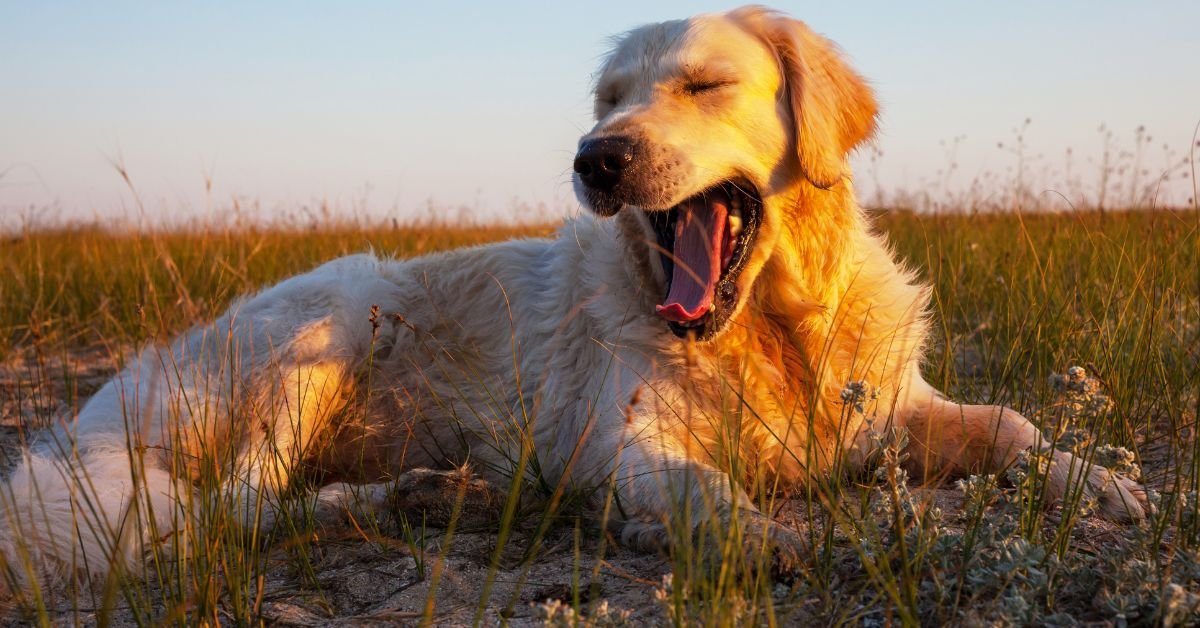
The Golden Mountain Dog is an affectionate crossbreed between the Golden Retriever and the Bernese Mountain Dog, combining the best traits of both parent breeds. Known for their friendly disposition, intelligence, and loyalty, these dogs are becoming increasingly popular as family companions. Their large stature, thick coat, and playful personality make them ideal for active households that have space and time for daily exercise.
This guide will help you understand the Golden Mountain Dog’s appearance, temperament, health, grooming needs, training, and nutrition, providing a comprehensive resource for both current owners and prospective families. Whether you are considering a puppy or adopting an adult dog, this ultimate guide covers all aspects of caring for this remarkable crossbreed.
Origins and History
Bernese Mountain Dog Background
The Bernese Mountain Dog hails from Switzerland and was originally bred as a working farm dog. Known for strength, endurance, and calm temperament, the Bernese contributed its size, loyalty, and protective instincts to the Golden Mountain Dog.
Golden Retriever Background
The Golden Retriever, originating in Scotland, is famed for intelligence, trainability, and friendly disposition. It is particularly well-suited for family environments and assists in developing the crossbreed’s outgoing and gentle nature.
Read for more info: https://thepawtips.com/dog-paw-balm/
Creation of the Golden Mountain Dog
Breeders developed the Golden Mountain Dog to combine the Golden Retriever’s sociability with the Bernese Mountain Dog’s strength and calm demeanor. The goal was to create a family-oriented, intelligent, and visually striking dog with a balanced temperament suitable for both companionship and outdoor activity.
Appearance and Physical Traits
Size and Weight
Golden Mountain Dogs are large and robust. Adult males typically weigh 85–110 pounds, while females range from 70–95 pounds. Height usually spans 23–28 inches at the shoulder, making them strong yet agile.
Coat and Color
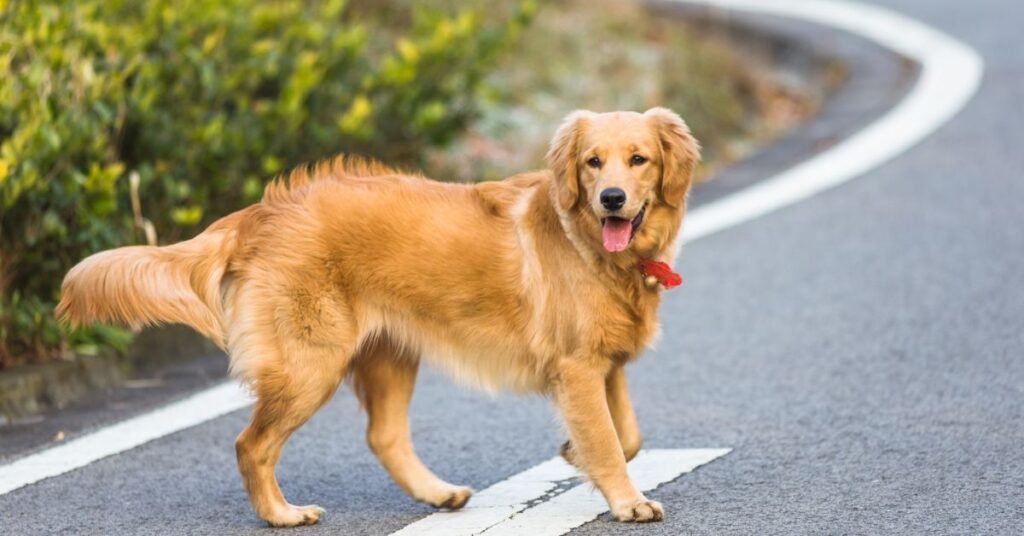
Their coat is thick and dense, inherited from both parent breeds. Colors vary from golden hues to black-and-tan combinations, often with white markings. Shedding is moderate to heavy, especially during seasonal changes, requiring regular brushing.
Unique Physical Features
Golden Mountain Dogs display floppy ears, expressive eyes, and a muscular build. Their broad chest and strong legs reflect the Bernese Mountain Dog’s working lineage, while their friendly expression reflects the Golden Retriever influence.
Temperament and Personality
Family-Friendly Nature
Golden Mountain Dogs are gentle, affectionate, and highly loyal, making them excellent companions for children. Their patient and playful demeanor allows them to thrive in households with multiple pets and active family members.
Socialization Needs
Early socialization is crucial. Exposure to strangers, children, and other pets helps Golden Mountain Dogs develop confidence and reduce shyness or anxiety in new environments.
Intelligence and Trainability
They inherit the intelligence of both parent breeds, making them highly trainable. Positive reinforcement and consistent commands result in obedient, eager-to-please companions. Problem-solving skills are pronounced, and they excel in obedience training, agility, and interactive games.
Health and Lifespan
Common Health Issues
Like all large breeds, Golden Mountain Dogs are prone to hip dysplasia, elbow dysplasia, and heart conditions. Regular vet checkups, a balanced diet, and appropriate exercise can help prevent or manage these conditions.
Lifespan Expectations
The average lifespan ranges from 10 to 12 years, though genetics, diet, and exercise influence longevity. Proper preventive care and early detection of health issues can extend a dog’s quality of life.
Preventive Care
Routine vaccinations, dental hygiene, and weight management are essential. Regular veterinary checkups, joint supplements, and high-quality food support long-term health and mobility.
Grooming and Care
Coat Maintenance
Brushing 3–4 times per week helps control shedding and prevents mats. Bathing every few months or as needed maintains cleanliness without stripping natural oils.
Nail, Ear, and Paw Care
Trimming nails every 3–4 weeks prevents discomfort and joint strain. Clean ears weekly to reduce infection risk, and protect paw pads during extreme weather conditions, especially ice or hot pavement.
Seasonal Considerations
Winter coats may require extra grooming to prevent matting, while summer heat may necessitate shorter trims and paw protection. Their double-layer coat provides insulation, but proper care ensures comfort year-round.
Exercise and Training
Daily Exercise Requirements
Golden Mountain Dogs are energetic and require 1–2 hours of daily exercise, including walks, playtime, and mental stimulation. Lack of activity may lead to boredom and undesirable behaviors.
Training Techniques
Use positive reinforcement, consistency, and patience. Short, frequent sessions work best, and early socialization enhances behavioral development. Reward-based training fosters a strong bond and encourages learning.
Activities and Sports
These dogs enjoy outdoor adventures such as hiking, fetch, and swimming. Participation in dog sports like agility or obedience classes keeps them mentally sharp and physically healthy.
Feeding and Nutrition
Recommended Diet
Provide a balanced diet with high-quality protein sources, vegetables, and whole grains. Portion sizes should consider activity level, age, and weight. Large breed puppy formulas help prevent rapid growth that could stress joints.
Treats and Supplements
Healthy treats include fruits, vegetables, and lean meats. Supplements such as glucosamine and omega-3 fatty acids may benefit joint health and coat condition.
Weight Management
Monitor calorie intake to prevent obesity, which can exacerbate joint issues. Regular exercise and a structured feeding schedule help maintain optimal body condition.
Golden Mountain Dog Puppies
Choosing a Puppy
Select from reputable breeders or rescues. Look for puppies with clear health records, proper vaccination, and socialization exposure.
Early Training and Socialization
Introduce crate training, potty training, and basic obedience early. Gentle handling and consistent routines reduce behavioral issues later.
Vaccination and Care
Essential vaccinations and deworming protocols ensure puppy health. Frequent vet visits monitor growth and detect potential early health concerns.
Puppy Growth Chart
| Age (Months) | Average Weight (lbs) | Average Height (inches) |
| 2 | 15–25 | 10–12 |
| 4 | 30–45 | 15–18 |
| 6 | 45–60 | 18–22 |
| 9 | 60–80 | 22–25 |
| 12 | 70–95 | 24–28 |
This chart helps owners anticipate size and adjust nutrition and exercise accordingly.
Frequently Asked Questions
How big does a Golden Mountain Dog get?
Adult dogs range from 70–110 pounds and 23–28 inches tall.
Are they good with children?
Yes, they are gentle, playful, and protective, making them ideal family pets.
How much grooming do they need?
Brush several times per week, with seasonal baths and regular ear and nail care.
Do they have health problems?
They may inherit hip and elbow dysplasia, heart issues, and obesity risk, like many large breeds.
Are Golden Mountain Dogs hypoallergenic?
No, their thick double coat sheds and may trigger allergies in sensitive individuals.
Conclusion
The Golden Mountain Dog is a remarkable family companion that combines intelligence, loyalty, and gentle temperament. Proper care includes regular grooming, consistent exercise, balanced nutrition, and preventive veterinary checkups. Early socialization, training, and attentive health monitoring ensure a happy and well-adjusted dog. Families seeking a loving, playful, and intelligent dog will find the Golden Mountain Dog to be an excellent choice, capable of bringing joy, companionship, and warmth to their household for many years.
