


Introduction
Many dog owners often wonder whether common human foods are safe for their pets. One of the most frequently asked questions is: can dogs eat cucumber? Since cucumbers are widely known as a healthy, low-calorie snack for people, it is natural for pet owners to consider sharing them with their dogs. However, before adding any new food to a dog’s diet, it is important to understand its safety, nutritional value, and potential risks.
Veterinary nutrition experts generally agree that cucumbers are non-toxic and safe for dogs when served properly. These crunchy vegetables contain a high amount of water and very few calories, which makes them a refreshing and healthy treat option for many dogs. This complete guide explains everything dog owners should know about feeding cucumbers to their pets, including health benefits, proper portion sizes, possible risks, and the safest ways to prepare them.

Are Cucumbers Safe for Dogs?
Yes, cucumbers are generally safe for dogs to eat. They do not contain harmful toxins and can be a healthy snack when given in moderation. Cucumbers are made up of more than 90 percent water, which means they provide hydration while adding very few calories to a dog’s diet. Because of these characteristics, many veterinarians recommend cucumbers as a treat alternative for dogs that need to lose weight or maintain a healthy body condition.
Although cucumbers are safe, pet owners should still introduce them slowly. Dogs have sensitive digestive systems, and sudden dietary changes can sometimes cause stomach discomfort. Serving cucumbers in small portions allows owners to observe how their dog reacts before making them a regular snack.
Read for more info: https://thepawtips.com/dog-panting/
Why Many Dog Owners Choose Cucumbers
Many dog owners choose cucumbers as treats because they combine nutrition, hydration, and crunch in one simple food. Unlike many commercial treats that contain preservatives and high calorie counts, cucumbers are fresh and natural. Dogs often enjoy the crisp texture, which can feel similar to chewing on crunchy snacks.
Another reason cucumbers are popular is their extremely low calorie content. Dogs that struggle with weight management often benefit from healthier snack alternatives, and cucumbers provide a satisfying treat without contributing to excessive calorie intake.
Situations Where Cucumbers May Not Be Ideal
Although cucumbers are generally safe, they may not be suitable in certain situations. Small dogs can sometimes choke on large pieces, so slices should always be cut into bite-sized portions. Additionally, some dogs have sensitive stomachs and may experience mild digestive upset if they eat too much cucumber at once.
Pet owners should also avoid feeding pickled cucumbers to dogs. Pickles usually contain high levels of salt, garlic, onions, or spices, which can be harmful to dogs. Only fresh, plain cucumbers should be offered as treats.
Nutritional Value of Cucumbers for Dogs
Cucumbers provide several nutrients that support overall health. While they are not meant to replace a balanced dog diet, they can contribute additional vitamins and minerals that support hydration and metabolic functions.
| Nutrient | Approximate Amount | Benefit for Dogs |
| Water Content | About 95% | Helps maintain hydration and supports body temperature regulation |
| Vitamin K | Small amounts | Supports blood clotting and bone health |
| Vitamin C | Trace amounts | Supports immune system function |
| Potassium | Moderate levels | Helps maintain proper muscle and nerve function |
| Fiber | Small amounts | Aids digestion and supports gut health |
| Calories | Very low | Ideal for weight control treats |
The high water content in cucumbers is especially beneficial during warm weather. Dogs can lose fluids through panting, and hydrating snacks may help maintain proper hydration levels. The small amount of fiber also supports gentle digestion, which can help dogs process food efficiently.
Health Benefits of Cucumbers for Dogs
Cucumbers provide several practical benefits when included as an occasional treat. While they are not a replacement for complete dog food, they can complement a balanced diet in healthy ways.
Low-Calorie Treat for Weight Management
Many dogs gain weight when they consume too many high-calorie treats. Cucumbers provide a solution because they contain very few calories while still offering a satisfying crunch. Pet owners who replace calorie-dense snacks with cucumber slices can help their dogs maintain a healthier weight.
Natural Hydration Support
Because cucumbers contain a large amount of water, they act as a refreshing snack. This makes them particularly useful during hot weather when dogs may become dehydrated more easily. A few cucumber slices can help supplement water intake and keep dogs feeling refreshed.
Gentle Digestive Support
Cucumbers contain small amounts of dietary fiber that support digestion. Fiber helps regulate bowel movements and may contribute to overall digestive comfort. When introduced gradually and served in moderation, cucumbers rarely cause stomach problems.
Potential Risks of Feeding Cucumbers to Dogs
Even healthy foods can cause issues if they are served incorrectly. Understanding potential risks helps dog owners feed cucumbers safely and responsibly.
Choking Hazard
Large pieces of cucumber can pose a choking hazard, particularly for smaller dog breeds. Cutting cucumbers into thin slices or small cubes significantly reduces this risk and makes them easier to chew and swallow.
Digestive Upset
Feeding too many cucumbers at once may lead to mild digestive upset. Because cucumbers contain fiber and a high water content, excessive amounts may cause loose stools or stomach discomfort. Moderation is always important.
Pickled Cucumbers Are Dangerous
Pickled cucumbers should never be given to dogs. Pickles often contain large amounts of salt, vinegar, garlic, or spices that can irritate a dog’s digestive system and potentially cause toxicity. Only fresh cucumbers are safe.
How Much Cucumber Can Dogs Eat?
The amount of cucumber a dog can eat depends on its size and overall diet. Treats should never make up more than ten percent of a dog’s daily calorie intake. The remaining ninety percent should come from balanced dog food.
Small dogs may only need a few thin slices, while larger dogs can safely enjoy a handful of cucumber pieces. Introducing cucumbers gradually allows pet owners to monitor for any digestive reactions before offering larger amounts.
How to Safely Prepare Cucumbers for Dogs
Proper preparation ensures that cucumbers remain safe and easy for dogs to eat. Fresh cucumbers should always be cleaned and cut before serving.
• Wash the cucumber thoroughly to remove dirt or pesticide residue
• Slice the cucumber into small, bite-sized pieces
• Remove tough skin if the dog has a sensitive stomach
• Serve cucumbers plain without salt, seasoning, or sauces
Following these steps helps reduce choking hazards and prevents dogs from consuming harmful additives.
Can Puppies Eat Cucumbers?
Puppies can eat cucumbers, but owners should introduce them slowly. Puppies have developing digestive systems, which means they may react differently to new foods. Offering a very small piece of cucumber allows owners to observe whether the puppy tolerates it well.
If a puppy shows signs of digestive upset such as diarrhea or vomiting, cucumbers should be removed from the diet. Consulting a veterinarian before introducing new foods is always a good practice for young dogs.
Can Dogs Eat Cucumber Skin and Seeds?
Most dogs can safely eat cucumber skin and seeds in small amounts. The skin contains additional fiber and nutrients, while the seeds are generally soft and easy to digest. However, some dogs with sensitive stomachs may find cucumber skin slightly difficult to process.
If a dog experiences digestive discomfort, removing the peel may help improve tolerance. Cutting cucumbers into small pieces also makes seeds easier to digest.
Vegetables That Are Safe for Dogs
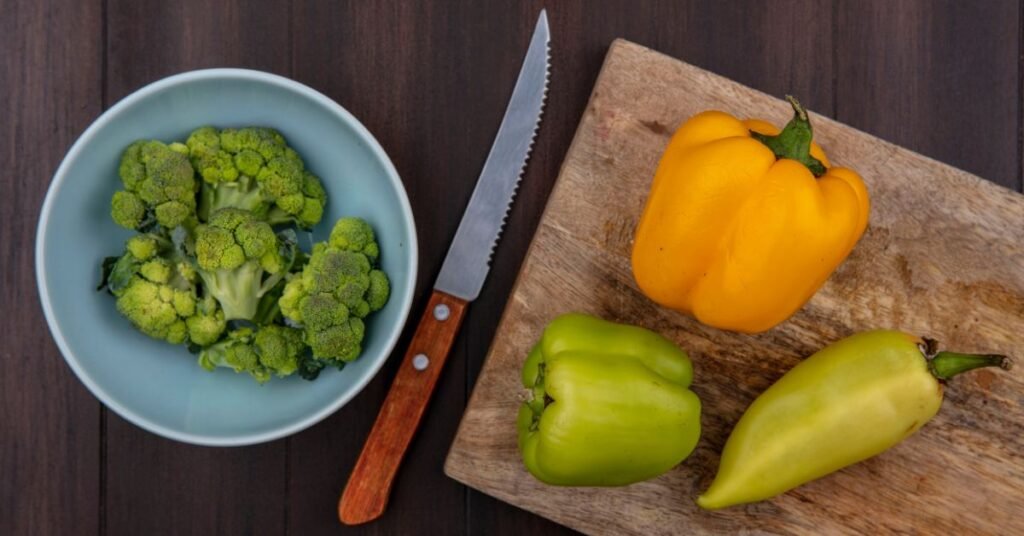
Cucumbers are not the only vegetable dogs can enjoy. Several other vegetables provide nutritional benefits and can safely be offered as occasional treats. Carrots provide vitamin A and promote dental health through chewing. Green beans offer fiber and are commonly recommended for dogs that need weight management. Zucchini is another low-calorie vegetable that dogs usually digest easily. Pumpkin supports digestive health and is often used to help regulate bowel movements. Sweet potatoes contain vitamins and fiber, though they should be cooked and served in moderation.
Offering a variety of safe vegetables can provide additional nutrients while keeping a dog’s treat routine interesting.
When to Avoid Feeding Cucumbers
Although cucumbers are safe for most dogs, certain situations may require caution. Dogs with extremely sensitive stomachs may struggle to digest raw vegetables. Dogs recovering from digestive illness should avoid new foods until their stomachs fully recover. Additionally, dogs that have a history of choking or swallowing food too quickly may require careful supervision when eating crunchy vegetables.
If a dog shows signs of vomiting, diarrhea, or discomfort after eating cucumbers, the treat should be discontinued and veterinary advice may be necessary.
Frequently Asked Questions
Can dogs eat cucumber every day?
Dogs can eat cucumber regularly as long as it remains a small part of their diet. Moderation is important because treats should not replace balanced dog food.
Can dogs eat cucumber peel?
Yes, dogs can eat cucumber peel in most cases. However, some dogs digest peeled cucumbers more easily, especially if they have sensitive stomachs.
Are cucumbers better than dog treats?
Cucumbers can be healthier than many commercial dog treats because they contain fewer calories and no artificial additives. They are a good option for dogs that need low-calorie snacks.
Can cucumbers help dogs lose weight?
Cucumbers can support weight management when they replace high-calorie treats. They provide crunch and satisfaction without significantly increasing calorie intake.
Conclusion
Cucumbers are a safe and healthy snack for most dogs when served properly. Their high water content, low calorie levels, and mild flavor make them an excellent treat option, especially for dogs that need hydration or weight control. By cutting cucumbers into small pieces, serving them plain, and offering them in moderation, dog owners can safely include this refreshing vegetable in their pet’s diet.
As with any new food, it is always wise to introduce cucumbers gradually and observe how a dog responds. If any unusual symptoms appear, consulting a veterinarian ensures the dog’s health remains protected. When fed responsibly, cucumbers can become a simple and nutritious addition to a dog’s treat routine.
