


Quick Answer
Dog panting is a normal behavior that helps dogs regulate their body temperature. Unlike humans, dogs cannot sweat through their skin effectively, so they rely on panting to cool down. When a dog pants, it moves air rapidly over the moist surfaces of its tongue and respiratory tract, which helps release heat from the body. Dogs commonly pant after exercise, during hot weather, or when they feel excited or stressed.
However, excessive panting in dogs may sometimes signal an underlying issue. If a dog starts panting heavily without any obvious reason, such as physical activity or warm temperatures, pet owners should observe the situation carefully. Persistent or unusual panting can indicate pain, anxiety, respiratory issues, or even serious conditions like heatstroke. In some situations, heavy panting accompanied by other symptoms may require veterinary attention. Understanding the difference between normal and abnormal panting helps dog owners protect their pets’ health and respond appropriately.
Why Dogs Pant
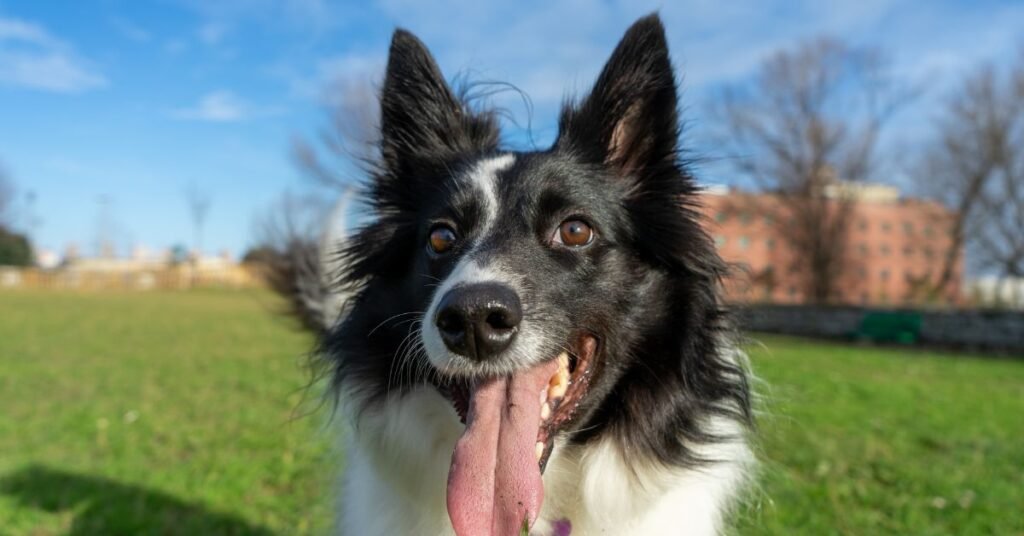
Dogs rely on panting as their primary method of regulating body temperature. While humans sweat through glands across their skin, dogs possess very few sweat glands and cannot cool themselves in the same way. Instead, they use rapid breathing to circulate air through their respiratory system and evaporate moisture from their tongue and mouth.
When a dog pants, its breathing rate increases, and warm air leaves the body while cooler air enters the lungs. This process helps remove excess heat and gradually lowers the dog’s internal temperature. The tongue also plays an important role because the moisture on its surface evaporates during panting, which creates a cooling effect similar to sweating in humans.
Panting can also occur for emotional or physical reasons. Dogs sometimes breathe faster when they feel excited, nervous, or frightened. The body reacts to these emotions by increasing heart rate and breathing speed, which can result in visible panting. In most cases, this behavior is temporary and stops once the dog calms down or the environmental conditions change.
Read for more info: https://thepawtips.com/can-dogs-have-marshmallows-the-complete-vet-reviewed-guide/
Normal Reasons Dogs Pant
After Exercise
Exercise naturally increases a dog’s body temperature. Activities such as running, playing, or even a long walk can cause dogs to generate heat quickly. Panting helps the body cool down after physical exertion. Most dogs will begin panting shortly after activity and gradually return to normal breathing within several minutes as their body temperature stabilizes.
Active dog breeds or dogs with high energy levels may pant more intensely after exercise compared to calmer breeds. As long as the panting gradually slows down and the dog behaves normally, this type of panting is usually nothing to worry about.
Hot Weather
Dogs are particularly sensitive to heat because they cannot regulate their body temperature as efficiently as humans. During hot or humid weather, dogs often pant to prevent overheating. The panting process helps release excess heat and maintain a safe body temperature.
In warm climates or during summer months, it is common to see dogs pant more frequently. Providing shade, fresh water, and a cool resting area helps prevent overheating and keeps dogs comfortable in hot conditions.
Excitement or Stress
Dogs sometimes pant when they feel emotionally stimulated. Excitement during playtime, greeting visitors, or riding in a car can trigger rapid breathing. Similarly, stress and anxiety can also cause panting. For example, dogs may pant during thunderstorms, fireworks, or visits to unfamiliar places.
This type of panting usually stops once the emotional stimulus disappears. When the dog relaxes, breathing gradually returns to normal levels.
Abnormal Dog Panting
Although panting is often normal, certain patterns can signal a potential problem. Dog owners should pay attention if panting appears suddenly without an obvious cause or continues for an unusually long time. Panting during rest or sleep can also indicate something unusual.
For example, if a dog begins panting heavily while resting in a cool environment, it may suggest discomfort or pain. Some dogs pant excessively when they feel anxious, but persistent panting combined with lethargy, vomiting, or weakness could indicate a medical issue. Recognizing these warning signs allows pet owners to seek veterinary advice before the problem becomes serious.
Medical Causes of Excessive Panting
Several health conditions can cause abnormal panting in dogs. One of the most common causes is heatstroke, which occurs when a dog’s body temperature rises dangerously high. Dogs exposed to extreme heat or left in hot environments may develop severe panting as their bodies attempt to cool down.
Respiratory diseases can also lead to heavy panting or rapid breathing. Conditions affecting the lungs or airways may reduce oxygen flow, forcing dogs to breathe faster. Heart problems represent another possible cause, especially in older dogs. When the heart struggles to pump blood efficiently, the body may compensate by increasing breathing rate.
Pain and injury frequently trigger panting as well. Dogs experiencing discomfort may breathe rapidly because their bodies respond to pain with increased stress and adrenaline. Anxiety disorders and obesity can also contribute to excessive panting because both conditions place additional strain on the body’s respiratory and circulatory systems.
Observing Panting Patterns in Dogs After Exercise
Understanding how dogs normally pant after exercise can help owners distinguish between healthy cooling behavior and possible health concerns. The following observations demonstrate typical panting patterns in dogs with different activity levels.
| Dog Activity Level | Panting Duration | Recovery Time |
| Light walk | 5–10 minutes | Quick recovery |
| Moderate play | 10–15 minutes | Gradual breathing normalization |
| Intense exercise | Around 20 minutes | Longer cooling period |
These observations show that panting after physical activity is normal and temporary. Dogs generally recover once their body temperature stabilizes and they rest in a cooler environment. If panting continues far longer than expected or appears unusually intense, owners should evaluate other possible causes.
What Veterinarians Say About Excessive Dog Panting
Veterinarians emphasize that occasional panting is perfectly normal, but persistent or unexplained panting deserves attention. Professionals often advise pet owners to observe patterns rather than focus on a single episode. For instance, panting after exercise or during hot weather is expected, but panting during rest or indoors without heat may indicate an underlying issue.
One veterinarian explains that persistent panting without physical activity can sometimes signal pain, anxiety, or illness. Monitoring additional symptoms such as changes in appetite, behavior, or energy levels helps determine whether a veterinary examination is necessary. Early evaluation allows veterinarians to diagnose and treat potential health conditions before they worsen.
Case Study: When Heavy Panting Indicates a Medical Issue
Consider a situation in which a dog suddenly begins panting heavily indoors despite resting in a cool environment. At first, the owner assumes the dog is simply tired from earlier activity. However, the panting continues throughout the evening and the dog appears restless and weak.
After visiting a veterinarian, the dog receives a diagnosis of mild heat exhaustion caused by earlier outdoor exposure. The dog receives fluids and cooling treatment and quickly recovers. This case highlights how heavy panting can sometimes indicate a hidden health concern that requires professional attention.
Signs Dog Panting Is Dangerous
Dog owners should watch carefully for warning signs that suggest panting may be dangerous. Certain symptoms indicate the possibility of serious conditions such as heatstroke or respiratory distress.
• Extremely rapid or labored breathing
• Drooling, vomiting, or diarrhea
• Weakness or collapse
• Pale or bluish gums
• Trembling or confusion
If these symptoms appear alongside heavy panting, immediate veterinary care becomes essential. Acting quickly can prevent life-threatening complications and help the dog recover safely.
How to Help a Panting Dog
When a dog begins panting heavily, simple steps can help reduce discomfort and prevent overheating. Moving the dog to a shaded or cooler area often helps the body gradually return to a normal temperature. Providing fresh water allows the dog to stay hydrated, which is essential during hot weather or after exercise.
Reducing physical activity also helps the dog recover faster. Allowing the dog to rest quietly in a calm environment gives the respiratory system time to slow down. Some owners also use fans or cooling mats to help dogs feel more comfortable during warm conditions. If panting continues or worsens despite these measures, contacting a veterinarian is the safest decision.
Dog Panting at Night
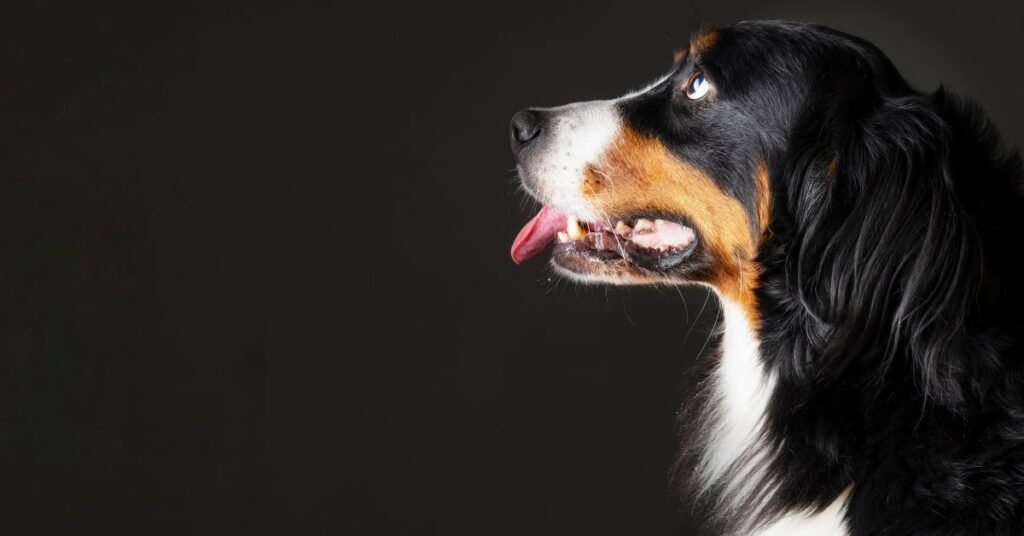
Panting at night can confuse many dog owners because dogs are usually resting during this time. In some cases, nighttime panting occurs due to environmental factors such as room temperature. A warm sleeping area may cause a dog to pant while trying to cool down.
Stress and anxiety may also contribute to nighttime panting. Some dogs experience separation anxiety or fear of unfamiliar sounds, which can trigger restlessness and rapid breathing. Older dogs sometimes pant at night due to age-related changes such as cognitive decline or chronic pain. Observing additional symptoms helps determine whether the behavior requires veterinary evaluation.
Senior Dog Panting
Older dogs often pant more frequently than younger dogs. Aging can bring physical changes that affect breathing patterns and temperature regulation. For example, arthritis pain may cause stress that leads to increased panting. Heart disease also becomes more common in senior dogs and may contribute to breathing changes.
Additionally, older dogs may have reduced tolerance for heat or physical exertion. Providing comfortable resting spaces, regular veterinary checkups, and moderate exercise helps maintain their health and reduce unnecessary stress on their bodies.
Frequently Asked Questions
Why is my dog panting so much?
Dogs pant to cool themselves down, but excessive panting can occur due to heat, exercise, excitement, stress, or underlying health problems.
Is dog panting always normal?
Panting is normal in many situations, especially after activity or during warm weather. However, persistent or unexplained panting may signal a health concern.
When should I worry about dog panting?
Owners should worry if panting occurs without activity, continues for a long time, or appears with symptoms such as weakness, vomiting, or unusual behavior.
Why is my dog panting at night?
Nighttime panting may result from warm temperatures, anxiety, pain, or medical conditions that affect breathing.
Can anxiety cause dogs to pant?
Yes. Dogs often pant when they feel anxious or stressed because their bodies respond to emotional stress with increased breathing and heart rate.
Conclusion
Dog panting serves an important role in regulating body temperature and responding to emotional or physical stimulation. In most situations, panting occurs naturally after exercise, during hot weather, or when dogs feel excited. Understanding these normal triggers helps owners recognize when their dog’s behavior is healthy.
However, excessive panting in dogs should never be ignored, especially when it appears suddenly or occurs without an obvious reason. Heavy panting accompanied by symptoms such as weakness, vomiting, or abnormal behavior may signal a medical emergency. Observing patterns, providing a comfortable environment, and consulting a veterinarian when necessary ensures that dogs remain safe and healthy. By learning to recognize both normal and abnormal panting, dog owners can respond quickly and protect their pets’ well-being.
