

Introduction
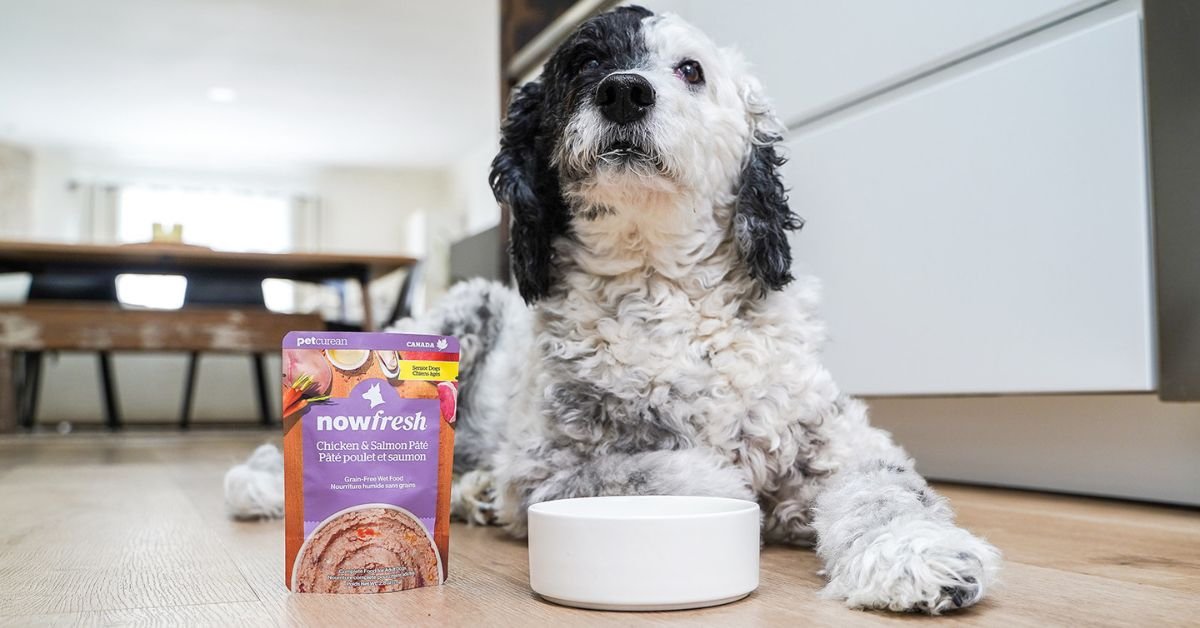
Grain free dog food does not contain common grains such as wheat, corn, rice, barley, or oats. Instead, it usually uses other ingredients such as potatoes, peas, lentils, meat, and vegetables. Many dog owners choose this type of food because they believe it may suit certain dogs better.
Choosing the right food can make a big difference in your dog’s daily life. But grain free food does not automatically mean healthier food. Every dog has different nutritional needs. Your dog’s age, size, activity level, and health can affect the best diet for them.
This guide explains what grain free dog food contains and how it differs from regular dog food. It also covers its possible benefits, risks, ingredients, and feeding considerations. You will learn what to look for when choosing a balanced food for your dog.
What Is Grain Free Dog Food?
Grain free dog food does not include grains like wheat, corn, rice, barley, or oats. Manufacturers often replace these ingredients with foods such as potatoes, peas, lentils, or other vegetables. The recipe can also include meat, fish, eggs, vitamins, and minerals. Some formulas use grain free ingredients to create a different source of carbohydrates or to meet specific dietary needs.
Many dog owners choose grain free food because they think it offers a healthier option. However, grain free does not always mean better for every dog. Most dogs can digest properly cooked grains without problems. Your dog needs a complete and balanced diet that provides the right amount of protein, fat, carbohydrates, vitamins, and minerals. Always consider your dog’s individual needs before changing their food.
Common Ingredients in Grain Free Dog Food
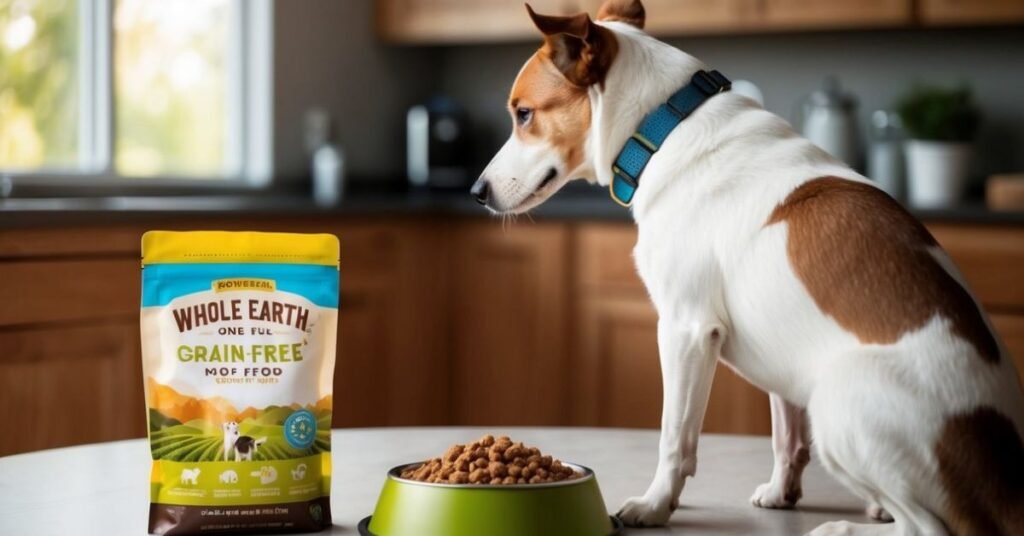
Grain free dog food often uses meat or fish as a main protein source. Chicken, beef, turkey, lamb, and salmon commonly appear in these recipes. Some foods also contain eggs for extra protein. Manufacturers may add potatoes, sweet potatoes, peas, lentils, or chickpeas instead of grains. These ingredients can provide carbohydrates, fiber, and other nutrients.
You may also find fruits and vegetables in grain free recipes. Carrots, pumpkin, spinach, apples, and blueberries can add vitamins and fiber. Many formulas include healthy fats from fish oil or plant oils. They may also contain added vitamins and minerals to support a balanced diet. Always check the ingredient list and choose a formula that meets your dog’s nutritional needs.
Grain Free vs. Regular Dog Food
Grain free dog food and regular dog food mainly differ in their carbohydrate sources. So, Grain free formulas avoid ingredients such as wheat, corn, rice, barley, and oats. They often use potatoes, peas, lentils, or sweet potatoes instead. Regular dog food can include grains as part of a balanced recipe. Both types can provide important nutrients when they contain high-quality ingredients and meet your dog’s nutritional needs.
The right choice depends on your dog’s individual needs. Most healthy dogs can eat properly prepared grains without problems. Grain free food may suit some dogs with specific dietary requirements, but you should not assume it offers extra health benefits. Check the nutrition label, ingredient list, and feeding guidelines before making a change.
| Feature | Grain Free Dog Food | Regular Dog Food |
| Grains | Does not contain common grains | May contain grains such as rice, corn, wheat, barley, or oats |
| Carbohydrate Sources | Often uses potatoes, peas, lentils, or sweet potatoes | Often uses grains along with other carbohydrate sources |
| Protein Sources | Can include chicken, beef, turkey, lamb, fish, or eggs | Can include the same animal-based protein sources |
| Fiber Sources | May get fiber from vegetables, legumes, and fruits | May get fiber from grains, vegetables, fruits, and other ingredients |
| Nutritional Value | Can provide complete nutrition when properly formulated | Can provide complete nutrition when properly formulated |
| Digestibility | Some dogs may digest certain recipes well | Many dogs digest properly cooked grains well |
| Food Allergies | May help only when a dog needs to avoid a specific ingredient | May work well unless a dog reacts to a specific ingredient |
| Ingredient Variety | Often includes legumes, vegetables, or alternative starches | Often includes grains along with meat and vegetables |
| Cost | Some formulas may cost more | Many options come at different price points |
| Suitable for Every Dog? | Not necessarily | Not necessarily |
| Main Consideration | Choose it based on your dog’s nutritional needs | Choose it based on your dog’s nutritional needs |
| Veterinary Advice | Helpful when you plan a diet change for a specific health concern | Helpful when your dog has a health condition or dietary issue |
Benefits and Risks of Grain Free Dog Food
Grain free dog food can work well for some dogs when it provides complete and balanced nutrition. It can help owners avoid specific ingredients when a veterinarian identifies a dietary need. Some dogs may also enjoy certain grain free recipes more than others. However, grain free food does not automatically provide better nutrition than food that contains grains. Most dogs can safely digest properly prepared grains.
Some grain free diets also raise nutritional concerns. Research has linked certain grain free and other diets that contain high amounts of peas, lentils, or potatoes with cases of diet-associated dilated cardiomyopathy (DCM) in dogs. The exact cause remains under investigation. Talk to your veterinarian before choosing a grain free diet, especially if you plan to feed it long term.
Possible benefits include:
- Avoiding a specific grain when a dog has a confirmed dietary reaction.
- Providing different carbohydrate sources.
- Offering more recipe choices for dogs with specific dietary needs.
- Giving owners options when selecting a complete and balanced diet.
Possible risks include:
- Grain free does not automatically mean healthier.
- Some recipes may contain high amounts of legumes or potatoes.
- An unbalanced diet can lead to nutritional problems.
- Some grain free diets have been associated with reports of DCM.
Is Grain Free Dog Food Good for Dogs?
Grain free dog food can be good for some dogs, but it does not suit every dog. Most healthy dogs can digest grains such as rice, corn, wheat, and oats. Grains can also provide useful nutrients, including carbohydrates, fiber, vitamins, and minerals. A grain free recipe can still support good health when it provides complete and balanced nutrition for your dog’s life stage.
You should choose your dog’s food based on their individual needs rather than the grain free label alone. Look at the complete ingredient list and nutritional information. If your dog has a suspected food allergy or another health concern, speak with your veterinarian before changing their diet. A veterinarian can help you choose a safe and nutritionally balanced food.
What Ingredients Are in Grain Free Dog Food?
Grain free dog food usually contains animal-based proteins such as chicken, beef, turkey, lamb, or fish. It may also include eggs for added protein. Instead of grains, many recipes use potatoes, sweet potatoes, peas, lentils, or chickpeas. These ingredients provide carbohydrates and fiber. Some formulas also add vegetables and fruits to provide extra nutrients.
Many grain free recipes contain healthy fats from fish oil or plant oils. These fats can support your dog’s skin and coat. Manufacturers also add vitamins and minerals to create a complete and balanced diet. Always read the ingredient list before buying a food. Choose a recipe that matches your dog’s age, size, activity level, and nutritional needs.
Grain Alternatives and Carbohydrates
Grain free dog food uses other ingredients to provide carbohydrates. Common choices include sweet potatoes, potatoes, peas, lentils, and chickpeas. These ingredients can provide energy and fiber. Some recipes also use vegetables and fruits. The right amount of carbohydrates can support your dog’s daily energy needs.
Vitamins, Minerals, and Essential Nutrients
Grain free dog food can provide important vitamins and minerals when manufacturers create a complete and balanced recipe. These nutrients support healthy bones, muscles, digestion, and the immune system. Many foods include calcium, phosphorus, zinc, iron, and vitamins A, D, and E. Omega-3 and omega-6 fatty acids can also support healthy skin and a shiny coat.
Read more for info: https://thepawtips.com/can-dogs-drink-milk/
How to Choose the Right Grain Free Dog Food

Start by choosing a grain free dog food that provides complete and balanced nutrition. Check the label for a statement showing that the food meets established nutritional standards for your dog’s life stage. Look at the main protein sources and choose ingredients that suit your dog. Consider your dog’s age, size, activity level, and specific dietary needs. Avoid choosing food only because it says “grain free” on the package.
You should also check the ingredient list carefully. Choose a recipe from a reliable manufacturer that provides clear nutritional information. If the food contains large amounts of peas, lentils, potatoes, or other alternative carbohydrate sources, discuss your choice with your veterinarian. Introduce any new food gradually to reduce stomach upset. Monitor your dog for changes in appetite, digestion, skin, coat, and energy after the switch.
How to Feed Grain Free Dog Food Safely
Start by choosing a complete and balanced grain free dog food that matches your dog’s age and nutritional needs. Follow the feeding guide on the package. Adjust the portion based on your dog’s size, activity level, and body condition. Provide fresh, clean water throughout the day. Avoid sudden food changes because they can upset your dog’s stomach.
Introduce the new food slowly over several days. Mix a small amount of grain free food with your dog’s current food at first. Gradually increase the new food while reducing the old food. Watch for vomiting, diarrhea, poor appetite, or other unusual changes. If you notice ongoing problems, contact your veterinarian. Your veterinarian can also help you decide whether a grain free diet suits your dog.
Proper Portions and Feeding Routine
Give your dog the right amount of grain free dog food each day. Start with the feeding guide on the package. Then adjust the portion based on your dog’s age, size, activity level, and body condition. Active dogs may need more food, while less active dogs may need less. Measure each meal instead of guessing the amount. This helps prevent overfeeding and unwanted weight gain.
Keep a regular feeding routine to help your dog stay comfortable and maintain healthy eating habits. Divide the daily amount into suitable meals based on your dog’s needs. Puppies often need more frequent meals than adult dogs. Give treats in moderation and include their calories in the daily intake.
Helpful feeding tips:
- Measure food with a proper measuring cup or kitchen scale.
- Follow the package feeding guide as a starting point.
- Adjust portions when your dog’s weight or activity level changes.
- Keep fresh water available at all times.
- Ask your veterinarian about portions if your dog has special dietary needs.
Is Grain Free Dog Food Right for Your Dog?
Grain free dog food may suit some dogs, but it does not offer a special benefit for every dog. Most dogs can eat grains without any problem. Your dog may need a different diet if a veterinarian identifies a specific food allergy or dietary concern. Always consider your dog’s age, size, activity level, and overall nutritional needs before making a change.
Talk to your veterinarian before switching to a grain free diet, especially if you plan to feed it for a long time. Choose a complete and balanced formula from a reliable manufacturer. Watch your dog after the change and look for changes in appetite, digestion, weight, skin, coat, and energy. A suitable diet should support your dog’s health without leaving important nutrients out.
Summary
Grain free dog food can provide balanced nutrition when you choose the right formula. However, grain free does not always mean healthier. Most dogs can digest grains without problems. Focus on your dog’s age, activity level, health, and nutritional needs when choosing food.
Read the ingredient list and feeding instructions before making a change. Choose a complete and balanced recipe from a trusted manufacturer. If your dog has a health or dietary concern, speak with your veterinarian. A proper diet can help your dog stay active, healthy, and happy.
FAQs
1. Is grain free dog food healthy for dogs?
Grain free dog food can provide balanced nutrition, but it does not automatically offer more health benefits than food with grains.
2. What grains does grain free dog food avoid?
Grain free dog food usually avoids wheat, corn, rice, barley, and oats.
3. Can puppies eat grain free dog food?
Puppies can eat grain free food if the formula provides complete and balanced nutrition for growth and development.
4. Does grain free dog food help with allergies?
It may help only when a veterinarian identifies a specific ingredient as a problem. Grain free does not treat all food allergies.
5. Should I switch my dog to grain free food?
Talk with your veterinarian before making a long-term diet change. Choose food based on your dog’s individual nutritional needs.