

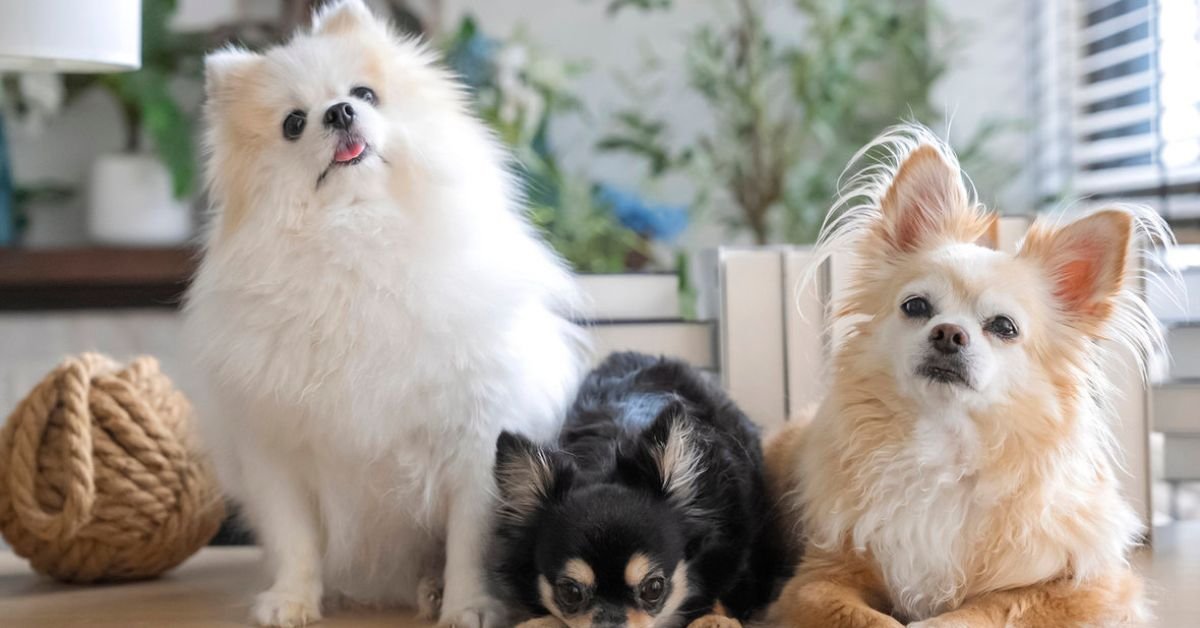
Living in an apartment does not mean you cannot have a dog. Apartment-friendly dog breeds can adjust well to smaller homes. They usually handle limited indoor space well when they get enough exercise, attention, and daily care.
But not every dog fits apartment life. Some dogs need large yards, while others can stay happy with short walks and indoor play. The right breed can make life easier for both you and your dog.
In this guide, we cover 15 of the best dog breeds for apartments. You will learn which breeds suit small spaces, what care they need, and what you should consider before bringing one home.
What Makes a Dog Breed Good for Apartment Living?
A good apartment dog can adapt to limited space. Size can matter, but it does not tell the whole story. Energy level, exercise needs, and barking habits also play an important role. Dogs with moderate exercise needs often adjust well to apartment life. A calm and friendly nature can also make daily living easier.
Your dog still needs regular exercise and mental stimulation. Daily walks, playtime, and simple training can help prevent boredom. You should also consider your schedule and the dog’s grooming needs. Most importantly, choose a breed that matches your lifestyle, not just the size of your home.
Best Small Dog Breeds for Apartments
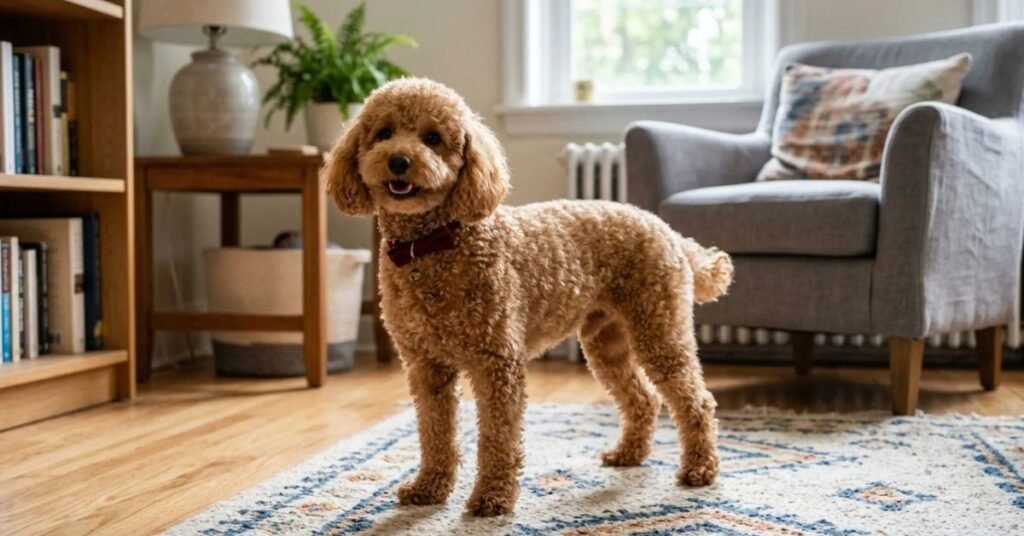
Small dogs can fit well into apartment living. They usually need less space to move around. However, size alone does not make a dog apartment-friendly. Look for a breed with manageable energy levels and a calm nature. Daily walks, indoor play, and basic training can keep small dogs happy and active.
Some small breeds also adapt well to busy city life. Breeds such as the French Bulldog, Cavalier King Charles Spaniel, Pug, and Shih Tzu can suit many apartment homes. Each breed has different exercise, grooming, and care needs. Consider these needs before choosing a dog for your home.
Best Medium-Sized Dogs for Apartments
Medium-sized dogs can also live happily in apartments. They may need more room than small breeds, but many can adapt to smaller homes. Focus on their energy level, exercise needs, and temperament. A dog that stays calm indoors can often handle apartment life well with regular walks and playtime.
Some medium-sized breeds can make good choices for apartment living. Consider these factors before bringing one home:
- Exercise needs: Choose a breed that fits your daily routine.
- Noise level: Dogs that bark less can work better with close neighbors.
- Temperament: Calm and adaptable dogs often handle indoor living well.
- Training needs: Good training helps your dog behave well in shared spaces.
- Daily routine: Make sure you can provide enough walks, play, and attention.
Best Large Dog Breeds for Apartments
Large dogs can live in apartments when they have the right temperament and routine. Size does not always determine how well a dog handles small spaces. Some large breeds stay calm indoors and enjoy relaxing with their families. However, they still need regular exercise and enough time outside.
Before choosing a large dog for an apartment, consider these factors:
- Energy level: Pick a breed that matches your daily activity.
- Exercise needs: Plan daily walks and active play.
- Temperament: Calm dogs often adjust better to indoor living.
- Noise: Consider how often the breed tends to bark.
- Space: Make sure your apartment gives the dog enough room to move comfortably.
- Building rules: Check your landlord or housing rules before bringing home a large dog.
Best Low-Maintenance Apartment Dogs
Low-maintenance dogs can make apartment life easier. They usually have simple grooming needs and manageable exercise requirements. Some breeds also stay calm indoors and adapt well to a smaller space. However, every dog still needs proper food, exercise, training, and regular veterinary care.
When choosing a low-maintenance apartment dog, think about your daily routine. Look for a breed that matches your time, energy, and living space. Dogs such as Chihuahuas, French Bulldogs, and Dachshunds can suit some apartment homes. Their needs can still vary, so learn about each breed before making a choice.
How to Choose the Right Apartment Dog
Choosing an apartment dog takes more than looking at size. Consider the dog’s energy level, exercise needs, barking habits, grooming needs, and temperament. Think about your daily schedule too. A dog that matches your routine will usually settle into your home more easily. You should also check your building’s pet rules before bringing a dog home.
Use the table below to compare the main factors before making your choice:
| Factor | What to Consider | Why It Matters |
| Size | Small, medium, or large | Make sure your dog has enough room to move comfortably. |
| Energy Level | Low, moderate, or high | High-energy dogs may need more daily activity. |
| Exercise Needs | Daily walks and playtime | Regular activity helps your dog stay healthy and content. |
| Barking | Quiet or vocal | Frequent barking can disturb neighbors. |
| Temperament | Calm, friendly, or active | A relaxed dog may adjust better to shared living spaces. |
| Grooming | Low or high maintenance | Consider how much time you can spend on coat care. |
| Training | Easy or challenging | Good training helps your dog behave well indoors and around neighbors. |
| Time Alone | How long the dog can stay alone | Some dogs need more human company than others. |
| Building Rules | Size, breed, or pet restrictions | Your apartment may have specific requirements. |
| Your Lifestyle | Work, exercise, and free time | Choose a dog whose needs fit your everyday routine. |
How to Keep a Dog Happy in an Apartment
Give your dog enough exercise every day. Take regular walks and add short play sessions at home. Puzzle toys and simple training games can keep your dog mentally active. Create a comfortable spot where your dog can rest without too much noise or activity around it.
Keep a steady daily routine for meals, walks, play, and sleep. Give your dog plenty of attention and positive interaction. Regular training can also help prevent boredom and unwanted behavior. If your dog spends time alone, provide safe toys and activities to keep them occupied.
Read more for info: https://thepawtips.com/labrador-mix-with-a-pitbull/
Daily Exercise and Walks
Daily exercise helps your dog stay healthy and relaxed in an apartment. Take your dog outside for regular walks. Let them sniff and explore safely during the walk. You can also add short play sessions at home. Simple games like fetch can help burn extra energy.
Set an exercise routine that matches your dog’s age, size, and energy level. Some dogs need longer walks, while others do well with shorter sessions. Avoid pushing your dog too hard, especially during hot weather. A consistent routine can help your dog feel active, calm, and comfortable at home.
Mental Stimulation and Interactive Toys
Dogs need mental exercise as well as physical activity. Interactive toys can keep your dog busy and help fight boredom. Puzzle feeders, treat-dispensing toys, and simple games can make your dog think and explore. Rotate different toys to keep things interesting.
You can also use short training sessions for mental stimulation. Teach simple commands or practice tricks for a few minutes each day. Hide treats around a safe area and let your dog find them. These activities can help your dog stay engaged and make apartment life more enjoyable.
Training, Routine, and Enrichment

Training helps your dog understand what you expect at home. Use short sessions and reward good behavior. Keep a simple daily routine for meals, walks, play, and rest. A predictable schedule can help your dog feel comfortable. Add different activities to prevent boredom and give your dog something to look forward to.
You can use the table below to build a balanced routine for apartment living:
| Activity | What You Can Do | Main Benefit |
| Basic Training | Practice commands like sit, stay, and come. | Builds good manners and communication. |
| Potty Training | Follow regular bathroom breaks. | Helps prevent indoor accidents. |
| Morning Walk | Take your dog outside for a walk. | Provides exercise and outdoor time. |
| Playtime | Use safe toys for short games. | Burns energy and encourages bonding. |
| Puzzle Games | Offer food puzzles or treat toys. | Keeps your dog mentally active. |
| Trick Training | Teach simple tricks for a few minutes. | Provides mental stimulation. |
| Quiet Time | Give your dog a comfortable place to rest. | Helps your dog relax. |
| Toy Rotation | Change available toys every few days. | Keeps familiar toys interesting. |
| Socialization | Introduce your dog to people and friendly dogs safely. | Builds confidence and appropriate social skills. |
| Evening Routine | Combine a short walk with calm play. | Helps your dog settle before bedtime. |
Final Thoughts
Apartment living can work well for many dogs. The key is to choose a breed that matches your lifestyle and home. Consider its size, energy level, exercise needs, and temperament. A smaller home does not mean your dog has to miss out on a happy life.
Give your dog daily walks, playtime, training, and plenty of attention. Keep a steady routine and provide mental stimulation. With the right care and a suitable breed, you can help your dog feel safe, active, and comfortable in an apartment.
FAQs
1. What is the best dog breed for apartment living?
Breeds such as French Bulldogs, Cavalier King Charles Spaniels, Pugs, and Shih Tzus can adapt well to apartment life.
2. Can large dogs live comfortably in apartments?
Yes. Some large dogs can live in apartments if they get enough exercise, training, and mental stimulation.
3. How much exercise does an apartment dog need?
Exercise needs vary by breed, age, and health. Most dogs need daily walks and some playtime.
4. How can I keep my dog active in a small apartment?
Use interactive toys, short training sessions, indoor games, and regular outdoor walks to keep your dog active.
5. Are quiet dog breeds better for apartments?
Quiet dogs can make apartment living easier because frequent barking may disturb neighbors.